
Achieving perfectly grilled chicken breasts requires a strategic combination of direct and indirect heat. This method prevents the meat from drying out while ensuring a flavorful sear on the outside.

List of ingredients
- 6 medium-sized boneless skinless chicken breasts – select pieces of similar size for even cooking.
- 1 1/2 tablespoon kosher salt – helps draw out moisture for a better sear.
- 1 1/2 tablespoons ground black pepper – provides a classic, pungent flavor profile.
step-by-step instructions
- Prepare Seasoning: Combine the salt and pepper in a small bowl and set it aside for later use.
- Dry the Meat: Place the chicken breasts on a plate and pat them thoroughly dry with a clean paper towel to remove surface moisture.
- Season the Chicken: Sprinkle both sides of each breast with a generous amount of the combined salt and pepper mixture.
- Preheat Grill: Heat your grill to medium heat, which should be approximately 400 degrees F.
- Direct Heat Sear: Place the chicken on direct heat (directly over the flame) and cook for 4-5 minutes per side.
- Indirect Heat Finish: Move the chicken away from the direct flame to the indirect heat zone. Maintain the same grill temperature and cook for an additional 5-7 minutes without flipping.
- Check Temperature: Use a meat thermometer to ensure the thickest part of the chicken has reached 160 degrees F.
- Rest the Meat: Remove the chicken from the grill and let it rest for at least 5 minutes to allow the juices to redistribute.
- Final Safety Check: Confirm that the internal temperature has risen to 165 degrees F during the resting period for safe consumption.
Essential Meat Preparation
Achieving Uniform Thickness with a Mallet
Chicken breasts often vary in thickness, which leads to overcooked edges and raw centers. Place the meat between sheets of plastic wrap and use a meat mallet to pound the thicker end until the breast is an even height.
The Role of Patting Meat Dry
Surface moisture creates steam when it hits the grill, which prevents the chicken from browning. Patting the meat dry with paper towels ensures a better Maillard reaction, resulting in a golden-brown crust and deeper flavor.
Selecting the Best Chicken Cuts
Choose boneless, skinless breasts that are medium in size and look consistent across the package. Avoiding excessively large breasts reduces the time needed on indirect heat, lowering the risk of drying out the meat.
Temperature and Heat Management
Understanding Direct versus Indirect Heat
Direct heat is used for searing and creating grill marks by placing food directly over the flame. Indirect heat acts like an oven, cooking the meat gently from all sides without burning the exterior surface.
Calibrating Your Meat Thermometer
A digital instant-read thermometer is the only way to guarantee juiciness. You can calibrate it by placing the probe in a glass of ice water; it should read exactly 32 degrees F.
Managing Carryover Cooking
Meat continues to rise in temperature after being removed from the heat source. Removing chicken at 160 degrees F allows carryover cooking to bring it to the safe 165 degrees F without overshooting the target.
Maintaining a Steady 400 Degree Temp
Keep your grill vents adjusted to maintain a consistent medium heat. If the temperature spikes, move the chicken further to the indirect zone to prevent the exterior from charring before the center is done.
Flavor Enhancement Strategies
Developing Custom Dry Rubs
While salt and pepper are foundational, you can add paprika, garlic powder, and onion powder for more complexity. Mix these in the same proportions as the original salt and pepper to maintain the seasoning balance.
Applying Acidic Marinades
Marinating chicken in lemon juice or apple cider vinegar helps tenderize the muscle fibers. Ensure you pat the chicken dry after marinating so that the meat sears instead of steaming on the grill.
Adding Glazes During the Final Minutes
Brush on a teriyaki or honey-based glaze during the last 2 minutes of indirect cooking. This prevents the sugars in the sauce from burning while creating a sticky, caramelized exterior.
Using Oil to Prevent Sticking
Lightly coat the chicken breasts in a high-smoke point oil, like avocado or canola oil, before seasoning. This creates a barrier between the meat and the grill grates, ensuring a clean release.
Serving and Pairing Ideas
Fresh Garden Salad Pairings
Sliced grilled chicken is an excellent addition to a Chopped Greek Salad with cucumbers, olives, and feta. The acidity of the vinaigrette balances the savory char of the grilled meat.
Wrap and Sandwich Applications
Use the grilled breasts in Caesar Salad Wraps with romaine lettuce and parmesan cheese. For a heartier option, slice the chicken thinly for a chicken club sandwich with sprouts and avocado.
Vegetable Side Dish Combinations
Grilled asparagus or zucchini spears cook quickly and complement the chicken’s flavor. Toss them in the same salt and pepper seasoning to create a cohesive meal.
Grain Bowl Integration
Place sliced chicken over a bed of quinoa or farro with roasted sweet potatoes. Add a dollop of hummus or tzatziki to add moisture and creaminess to the dish.
Storage and Reheating Guidelines
Proper Refrigeration Techniques
Store leftover grilled chicken in an airtight glass or plastic container to prevent it from absorbing fridge odors. Keep the chicken refrigerated and consume it within 3 to 4 days for optimal quality.
Reheating Without Drying the Meat
Avoid the microwave, as it often makes grilled chicken rubbery. Instead, reheat slices in a skillet over medium heat with a splash of vegetable broth or water to restore moisture.
Freezing Grilled Chicken for Later
Flash-freeze slices on a baking sheet before transferring them to a vacuum-sealed bag. This prevents the pieces from clumping together and preserves the texture for up to three months.
Using Leftovers in Cold Dishes
Chill the grilled chicken completely before dicing it for a Greek yogurt chicken salad. The cold temperature helps the chicken maintain its structure when mixed with creamy dressings.
Grilling Troubleshooting
Solving the Problem of Sticking Grates
If the meat sticks, it is usually because the grill wasn’t hot enough or the meat was flipped too early. Wait for the chicken to naturally release from the grate, which happens once a proper sear has formed.
Managing Grease Flare-Ups
Flare-ups occur when fat drips onto the burners or coals, causing sudden flames. Immediately move the chicken to the indirect heat zone until the flame dies down to avoid burnt spots.
Correcting Uneven Cooking
If one side of the breast is thicker than the other, the thin end will overcook first. Use the meat mallet during prep or position the thicker end closer to the heat source during the indirect phase.
Addressing Dry Results
Dry chicken is usually the result of cooking it past 165 degrees F. Always rely on a thermometer rather than timing, as grill temperatures can vary significantly between different models.
Frequently Asked Questions
Can I use frozen chicken breasts?
No, you must thaw chicken breasts completely in the refrigerator before grilling. Frozen meat will not sear properly and the outside will overcook before the inside reaches a safe temperature.
How long can grilled chicken be stored?
Grilled chicken can be stored in the refrigerator for up to 3 days in an airtight container. Beyond this window, the quality and safety of the meat begin to decline.
Why does my chicken turn out dry?
Dryness usually happens because the chicken was left on the grill until it hit 165 degrees F, causing it to rise to 175 degrees F during resting. Removing it at 160 degrees F prevents this.
Do I need to oil the grill grates?
While not strictly necessary if the meat is oiled, lightly brushing the grates with a high-smoke point oil helps prevent sticking and ensures cleaner grill marks.
Is kosher salt different from table salt?
Yes, kosher salt has larger grains and is less salty by volume than table salt. If you only have table salt, reduce the measurement by about one-third to avoid over-salting.
Can I grill chicken without a thermometer?
While possible, it is not recommended for breasts because the window between juicy and dry is very small. A thermometer is the only way to ensure precision and safety.
Print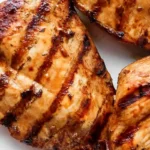
Mastering Juicy Grilled Chicken Breasts
- Total Time: 25 minutes
- Yield: 6 chicken breasts 1x
- Diet: Gluten Free, Paleo, Whole30
Description
Learn how to grill perfect, juicy chicken breasts every time using a combination of direct and indirect heat to ensure they remain tender.
Ingredients
- 6 medium-sized boneless skinless chicken breasts
- 1 1/2 tablespoon kosher salt
- 1 1/2 tablespoons ground black pepper
Instructions
- Mix: Combine salt and pepper in small bowl. Set aside.
- Prep: Place chicken breasts on plate and pat dry with clean paper towel.
- Season: Sprinkle both sides with a generous amount of the salt and pepper mix.
- Preheat: Heat grill to medium heat (approximately 400 degrees F).
- Sear: Place chicken on direct heat (direct flame) and cook at medium heat for 4-5 minutes per side.
- Cook: Move chicken away from the direct heat (direct flame) so that it is cooking on indirect heat (maintaining the same grill temp) and cook for an additional 5-7 minutes or until the internal temperature of the thickest part of the chicken reads 160 on your meat thermometer.
- Rest: Remove from grill and let rest at least 5 minutes so the juices can redistribute.
Notes
For even cooking, use a meat mallet to pound chicken breasts to a consistent thickness. Store leftovers in an airtight container in the refrigerator for up to 3 days.
- Prep Time: 5 minutes
- Cook Time: 20 minutes
- Category: Chicken
- Method: Grill
- Cuisine: American
Nutrition
- Serving Size: 1 chicken breast
- Calories: 280 kcal
- Sugar: 0 g
- Sodium: 1725 mg
- Fat: 6 g
- Saturated Fat: 1.5 g
- Unsaturated Fat: 4.5 g
- Trans Fat: 0 g
- Carbohydrates: 0 g
- Fiber: 0 g
- Protein: 50 g
- Cholesterol: 85 mg