
Elevate your grilling game with this vibrant Italian-inspired marinade. This blend of fresh herbs and zesty spices ensures your chicken remains juicy and flavorful on the grill.

List of ingredients
- 1/4 cup olive oil – acts as the base and prevents the meat from sticking to the grill.
- 2 tablespoons wine vinegar and 2 tablespoons chicken broth – provides the necessary acidity and depth without using alcohol.
- 3 garlic cloves, minced – adds a sharp, aromatic punch to the marinade.
- 1/4 cup fresh parsley (around 8-10 stems) – gives a bright, fresh herbal finish.
- 8-10 basil leaves – provides a sweet, peppery aromatic quality.
- 3 sage leaves – adds a warm, earthy undertone.
- 1 sprig thyme – introduces a subtle, lemony fragrance.
- 1/2 sprig rosemary, needles only – contributes a robust, piney scent.
- 2 teaspoons salt – enhances the natural flavors of the meat and helps tenderize it.
- 1 teaspoon onion powder – adds a concentrated, savory depth.
- 1/2 teaspoon cayenne pepper – provides a mild, zesty kick of heat.
step-by-step instructions
- Blend the marinade: Combine all the ingredients in a food processor and mix until the texture is smooth and creamy.
- Marinate the meat: Place the chicken pieces in a covered dish or a large zip-top bag, pour the marinade over them, and refrigerate for at least 1 hour, though overnight is recommended for the best flavor penetration.
Optimal Chicken Selection
Boneless Skinless Breasts
Chicken breasts are a lean choice that cooks rapidly. To ensure they stay juicy, pound them to an even thickness before marinating so that the thinner ends do not dry out while the center reaches safety.
Bone-in Chicken Thighs
Thighs contain more fat and connective tissue, making them more forgiving on the grill. They absorb the herb flavors deeply and remain moist even over higher heat settings.
Chicken Drumsticks
Drumsticks are excellent for this marinade as the skin helps lock in the juices. Ensure the marinade reaches the underside of the meat for consistent flavoring throughout the piece.
Whole Chicken Pieces
If using a whole cut-up chicken, ensure you coat each piece thoroughly. The different thicknesses of the wings and breasts will require different cooking times, so monitor them closely.
Mastering the Grilling Process
Preheating Your Grill
Always preheat your grill to medium-high heat before adding the meat. A hot grate prevents the chicken from sticking and creates a professional sear that locks in the marinade flavors.
Direct Heat Searing
Start by placing the chicken directly over the flames for a few minutes on each side. This creates a charred exterior and a rich flavor profile through the Maillard reaction.
Indirect Heat Cooking
For thicker cuts, move the chicken to a cooler part of the grill after searing. Close the lid to let the heat circulate, effectively roasting the chicken until the interior is fully cooked.
Using a Meat Thermometer
The only way to guarantee safety and juiciness is by using a digital thermometer. Remove the chicken from the heat once the internal temperature reaches 165 degrees F.
Avoiding Flare-ups
Olive oil can cause flames to jump when it drips. Keep a spray bottle of water nearby or move the meat to a different section of the grill if the fire becomes too aggressive.
Customizing Your Flavor Profile
Substituting Dried Herbs
If fresh herbs are unavailable, you can use dried alternatives. Use a ratio of one teaspoon of dried herbs for every tablespoon of fresh herbs to avoid overpowering the dish.
Reducing the Spice Level
For those sensitive to heat, the cayenne pepper can be omitted entirely. Alternatively, replace it with a pinch of paprika to maintain the color without the spicy kick.
Adding Sun-Dried Tomatoes
For a deeper, more savory Italian flavor, blend a few oil-packed sun-dried tomatoes into the food processor. This adds a concentrated sweetness and a rich red hue to the marinade.
Incorporating Olives
Adding a handful of minced Kalamata olives to the blend introduces a salty, briny element. This works particularly well when serving the chicken with Mediterranean side dishes.
Using Lemon Juice
If you prefer a brighter, more citrusy profile, replace half of the wine vinegar with fresh lemon juice. This adds a zesty acidity that cuts through the richness of the olive oil.
Advanced Marinating Techniques
The Importance of Timing
While one hour is the minimum, marinating for 12 to 24 hours allows the salt and acids to break down muscle fibers. This results in a significantly more tender piece of meat.
Using Vacuum Sealers
If you have a vacuum sealer, use it to marinate your chicken. The pressure forces the marinade into the meat more efficiently, reducing the necessary marinating time.
Temperature Control
Always marinate chicken in the refrigerator, never on the counter. Keeping the meat at a consistent cold temperature prevents bacterial growth and ensures food safety.
Avoiding Texture Breakdown
Avoid marinating chicken for more than 48 hours. The acidity in the vinegar can eventually break down the proteins too much, leading to a mushy or mealy texture.
Serving and Pairing Recommendations
Fresh Pasta Pairing
Serve the grilled chicken sliced over a bed of linguine or fettuccine. Toss the pasta with a light glaze of olive oil, garlic, and fresh parmesan cheese to complement the herbs.
Grilled Vegetable Accompaniments
Zucchini, bell peppers, and asparagus grill beautifully alongside the chicken. Brush them with a small amount of the same marinade for a cohesive flavor profile across the plate.
Light Summer Salads
Slice the warm chicken over a bed of mixed greens, cherry tomatoes, and cucumber. Use a simple balsamic vinaigrette to enhance the Italian notes of the marinade.
Garlic Bread Pairings
Toasted ciabatta or garlic knots provide a great textural contrast to the juicy chicken. The buttery bread helps balance the acidity and zest of the marinade.
Storage and Meal Prep Guide
Freezing Marinade Portions
You can make large batches of the marinade and freeze them in ice cube trays. Once frozen, transfer the cubes to a bag and drop one or two into your meat whenever needed.
Refrigerator Life for Raw Meat
Marinated raw chicken should be cooked within two days of preparation. After this point, the acid may compromise the meat quality, and safety risks increase.
Storing Cooked Chicken
Store leftover grilled chicken in an airtight container in the refrigerator for up to four days. This makes it an excellent protein source for cold salads or sandwiches.
Thawing Frozen Marinated Chicken
If you freeze chicken already in the marinade, thaw it slowly in the refrigerator. This preserves the texture of the meat and keeps the herb flavors fresh.
Common Cooking Challenges
Preventing Surface Burning
Because of the herbs and sugars in the broth, the exterior can burn before the inside is done. If this happens, lower your grill heat and use a lid to trap warmth.
Fixing Dry Chicken
If the chicken comes out dry, it was likely overcooked. To salvage it, slice the meat thinly and drizzle with a small amount of fresh olive oil or lemon butter.
Managing Excessive Salt
If the marinade tastes too salty, balance it with a squeeze of fresh lemon juice or a teaspoon of honey. This neutralizes the sodium perception on the palate.
Balancing Acidity
If the vinegar flavor is too dominant, add a small amount of unsalted butter to the chicken after grilling. The fat coats the tongue and softens the sharp acidic notes.
Frequently Asked Questions
Can this be used for seafood?
Yes, this marinade works well for shrimp or firm white fish. However, reduce the marinating time to 30 minutes to prevent the acid from “cooking” the seafood.
Is it safe to reuse the marinade?
No, never reuse marinade that has touched raw meat. If you want a sauce for serving, set aside a portion of the marinade before adding the chicken.
How to make it without a processor?
Finely mince all the herbs and garlic by hand using a sharp knife. Whisk the remaining liquid ingredients in a bowl and stir in the minced components.
What is the best vinegar to use?
Red wine vinegar is the most authentic choice for an Italian profile. If unavailable, apple cider vinegar is a suitable substitute, though it adds a slightly fruitier note.
Print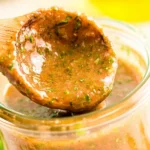
Zesty Italian Grilled Chicken Marinade
- Total Time: 1 hour 10 minutes
- Yield: 1 cup 1x
- Diet: General
Description
This Grilled Chicken Marinade has a mouthwateringly fresh flavor thanks to the Italian herbs with a zesty kick from cayenne pepper! Whip up this homemade marinade in just 10 minutes!
Ingredients
- ¼ cup olive oil
- ¼ cup equal parts red wine vinegar and vegetable broth
- 3 garlic cloves, minced
- ¼ cup fresh parsley
- 8–10 basil leaves
- 3 sage leaves
- 1 sprig thyme
- ½ sprig rosemary (needles only)
- 2 teaspoons salt
- 1 teaspoon onion powder
- ½ teaspoon cayenne pepper
Instructions
- Step: Mix all ingredients for the marinade in a food processor until creamy.
- Step: Place the chicken in a covered dish or large ziploc bag with the marinade and marinate for at least 1 hour in the refrigerator, best if left overnight.
Notes
Marinate for at least 1 hour, but preferably overnight, to allow salt and flavors to fully infuse the meat. You can substitute fresh herbs with dried ones, or add sundried tomatoes, olives, or fennel seeds for extra flavor.
- Prep Time: 10 minutes
- Cook Time: 0 minutes
- Category: Condiment
- Method: Blending
- Cuisine: American
Nutrition
- Serving Size: 1 cup
- Calories: 558 kcal
- Sugar: 1 g
- Sodium: 4664 mg
- Fat: 54 g
- Saturated Fat: 8 g
- Unsaturated Fat: 45 g
- Trans Fat: 0 g
- Carbohydrates: 8 g
- Fiber: 1 g
- Protein: 2 g
- Cholesterol: 0 mg