
These grilled chicken kabobs combine a sweet pineapple glaze with savory coconut aminos for an island-inspired meal. They are a fantastic option for summer parties or quick weeknight dinners that feel like a tropical getaway.

List of ingredients
- 3/4 cup pineapple juice – serves as the sweet base for the glaze.
- 1/2 cup coconut aminos – provides a savory, soy-free depth of flavor.
- 1/2 cup ketchup – adds body and a touch of acidity.
- 1/2 cup brown sugar – ensures a rich, caramelized exterior.
- 2 tablespoons Frank’s Red Hot sauce – introduces a mild, vinegary heat.
- 1 tablespoon minced garlic – adds a pungent, aromatic quality.
- 1 tablespoon minced ginger – contributes a warm, zesty flavor.
- 1 1/2 lbs chicken thighs (skinless and boneless) – offers more moisture than breasts.
- 20 oz can pineapple chunks – adds tropical sweetness to every bite.
- 6 kabob skewers – used to assemble the meat and fruit.
- sea salt (to taste) – brings out the natural flavors of the ingredients.
- black pepper (to taste) – adds a classic savory finish.
step-by-step instructions
- Create the thickened glaze: In a saucepan, combine pineapple juice, coconut aminos, ketchup, brown sugar, Frank’s Red Hot sauce, garlic, and ginger. Bring the mixture to a boil, then reduce heat and simmer for 10-12 minutes until it thickens. (Tip: Stir occasionally to prevent the sugar from sticking to the bottom).
- Marinate the chicken pieces: Cut the chicken thighs into bite-sized chunks and place them in a bowl. Add a few spoonfuls of the cooked sauce and massage it thoroughly into the meat before refrigerating for at least one hour. (Tip: Using a sealed bag helps the marinade penetrate the meat more effectively).
- Assemble the kabobs: Drain the pineapple chunks and cut them to match the size of the chicken pieces. Thread the chicken and pineapple alternately onto six skewers, then season the assembled kabobs with sea salt and pepper. (Tip: Do not pack the pieces too tightly to allow for better airflow and cooking).
- Grill to perfection: Preheat your grill to medium-high heat. Cook the skewers for 10-12 minutes, turning them periodically and brushing with the remaining sauce. (Tip: Apply the final coat of sauce in the last 2 minutes to avoid burning the sugar).
- Final presentation: Remove the kabobs from the grill and serve them immediately. Provide the leftover thickened sauce on the side for dipping. (Tip: Let the meat rest for a few minutes to ensure the juices redistribute).
Grilling Optimization and Techniques
Achieving the Perfect Preheat
Preheating your grill to medium-high heat is essential for creating those distinctive charred grill marks. This high initial temperature sears the outside of the chicken quickly, locking in the moisture. Without a proper preheat, the meat may stick to the grates or cook too slowly.
Preventing Meat from Sticking
To avoid leaving half your chicken on the grill, lightly oil the grates before adding the skewers. You can do this by folding a paper towel into a small square, dipping it in vegetable oil, and using tongs to rub it over the hot metal. This creates a non-stick barrier that allows the kabobs to slide easily during turning.
Managing High Sugar Glazes
Because this recipe uses brown sugar and pineapple juice, the glaze can burn quickly if the heat is too intense. Avoid using the highest setting on your grill and keep a close eye on the skewers. Apply the majority of the sauce toward the end of the cooking process to prevent the sugar from scorching.
Determining Doneness Accurately
The most reliable way to ensure the chicken is safe and juicy is by using an instant-read meat thermometer. Chicken thighs are best when they reach an internal temperature of 165 degrees Fahrenheit. Overcooking them will lead to a rubbery texture, while undercooking is a safety risk.
Ingredient Substitutions and Enhancements
Using Chicken Breasts Instead of Thighs
If you prefer a leaner meat, you can substitute boneless skinless chicken breasts for thighs. Keep in mind that breasts cook faster and can dry out more quickly than thighs. Reduce your grilling time by a couple of minutes and check the internal temperature more frequently.
Incorporating Fresh Pineapple
Fresh pineapple offers a brighter, more acidic flavor than canned versions. When using fresh fruit, ensure the chunks are cut into uniform sizes to match the chicken. Be aware that fresh pineapple contains bromelain, an enzyme that can break down meat if marinated for too long.
Adding Colorful Vegetables
For extra nutrition and color, add chunks of red onion and red or green bell peppers to your skewers. These vegetables complement the sweet and savory glaze perfectly. Ensure the vegetables are cut to the same thickness as the chicken to ensure they cook through at the same rate.
Substituting Coconut Aminos
Coconut aminos provide a soy-free, lower-sodium alternative that works beautifully in this recipe. If you cannot find coconut aminos, you can use a similar amount of tamari. Tamari maintains the savory profile while remaining a suitable alternative for those avoiding certain additives.
Adjusting the Spice Level
If you prefer a more potent kick, increase the amount of hot sauce or add a pinch of crushed red pepper flakes to the glaze. Conversely, you can reduce the hot sauce to a single tablespoon for those who are sensitive to heat. The balance of sweet and spicy is what makes this dish unique.
Preparation and Skewering Tips
Treating Wooden Skewers Properly
Wooden or bamboo skewers must be soaked in water for at least 30 minutes before use. This prevents the wood from drying out and catching fire or charring over the open flame. If you are in a rush, 20 minutes is the absolute minimum required to ensure they remain intact.
Using Metal Skewers for Heat
Metal skewers are a great alternative as they do not require soaking and are reusable. They also conduct heat into the center of the meat, which can speed up the cooking process slightly. Be careful when handling them, as the metal handles can become very hot on the grill.
Ensuring Consistent Piece Sizing
Cut your chicken and pineapple into uniform 1-inch cubes. When pieces vary in size, the smaller chunks will overcook before the larger ones reach a safe temperature. Consistent sizing ensures an even cook across the entire skewer.
Optimizing the Marination Process
While one hour is the minimum, marinating the chicken for 4 to 8 hours in the refrigerator deepens the flavor. Use a glass bowl or a heavy-duty zip-top bag to ensure the sauce coats every surface. Avoid marinating for more than 24 hours, as the acids in the pineapple juice can make the meat mushy.
Serving Recommendations
Pairing with Coconut Rice
Fluffy coconut rice is the ideal companion for these kabobs, as it echoes the tropical flavors. Cook your jasmine rice using a mixture of coconut milk and water for a creamy, aromatic side. The richness of the rice balances the tanginess of the pineapple glaze.
Adding a Fresh Tropical Slaw
A crisp, vinegar-based slaw with shredded cabbage, carrots, and a lime dressing provides a refreshing contrast. The acidity of the slaw cuts through the sweetness of the glaze and the richness of the chicken thighs. This makes the overall meal feel lighter and more balanced.
Professional Platter Presentation
To serve these kabobs like a pro, lay them across a bed of steamed rice or a platter of fresh mixed greens. Scatter some cherry tomatoes or sliced green onions around the edges for a pop of color. This presentation makes the meal visually appealing for guests and parties.
Storage and Proper Reheating
Refrigerating Leftovers
Place any remaining kabobs in an airtight container to keep the moisture locked in. Store them in the refrigerator for no more than 3 to 4 days. Using a high-quality seal prevents the chicken from absorbing other odors in the fridge.
Optimal Oven Reheating
To reheat the kabobs without drying them out, place them on a baking sheet and tent them lightly with aluminum foil. Warm them in an oven preheated to 325 degrees Fahrenheit for about 10 minutes. This gentle heat restores the temperature without overcooking the meat.
Avoiding the Microwave
While a microwave is faster, it often leads to uneven heating and can make the chicken rubbery. If you must use one, heat the skewers in short 30-second bursts and cover them with a damp paper towel. This helps trap steam and keeps the meat more tender.
Common Cooking Troubleshooting
Managing a Burning Glaze
If you notice the glaze darkening too quickly, move the skewers to a cooler part of the grill. You can also brush on a small amount of oil to help the glaze slide rather than stick. Reducing the heat immediately will stop the sugar from carbonizing.
Fixing a Thin Sauce
If your sauce hasn’t thickened enough after 12 minutes, continue to simmer it on low heat for another 5 minutes. Ensure you are using a wide saucepan to allow for better evaporation. The sauce should be thick enough to coat the back of a spoon.
Preventing Dry Chicken
Dry chicken is usually the result of overcooking or using breasts without adjusting the time. If the meat feels too firm, remove it from the heat immediately and let it rest. Resting allows the juices to redistribute, which can save a slightly overcooked piece of meat.
Dealing with Mushy Pineapple
If your pineapple chunks are falling apart on the grill, they may have been over-marinated or were too ripe. To prevent this, add the pineapple to the skewers just before grilling rather than letting them sit in the marinade. This keeps the fruit firm and juicy.
Frequently Asked Questions
How long can the chicken marinate?
Chicken can marinate for anywhere from one hour to 24 hours. However, because pineapple juice contains enzymes that break down proteins, marinating beyond 24 hours can result in a mushy texture.
Can I make these kabobs in the oven?
Yes, you can bake these on a parchment-lined sheet pan at 400 degrees Fahrenheit. Turn them halfway through and broil them for the last 2-3 minutes to get a charred effect similar to the grill.
Is there a substitute for coconut aminos?
Tamari or a soy-free alternative are the best substitutes. These options provide the same salty, savory depth required to balance the sweetness of the pineapple and brown sugar.
What is the best internal temperature for thighs?
While 165 degrees Fahrenheit is the safety minimum, chicken thighs often taste better and more tender when cooked to 175 degrees Fahrenheit. This higher temperature helps break down the connective tissue in the dark meat.
Print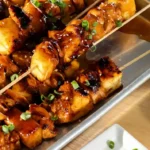
Tropical Grilled Hawaiian Chicken Kabobs
- Total Time: 25 minutes
- Yield: 6 servings 1x
- Diet: Dairy-Free
Description
Juicy chicken and tangy pineapple marinated in a savory-sweet glaze, grilled to perfection for a tropical taste of Hawaii.
Ingredients
- 3/4 cup pineapple juice
- 1/2 cup coconut aminos
- 1/2 cup ketchup
- 1/2 cup brown sugar
- 2 tablespoons Frank’s Red Hot sauce
- 1 tablespoon minced garlic
- 1 tablespoon minced ginger
- 1 1/2 lbs skinless and boneless chicken thighs
- 20 oz can pineapple chunks
- 6 kabob skewers
- sea salt to taste
- black pepper to taste
Instructions
- Step 1: In a saucepan, combine pineapple juice, coconut aminos, ketchup, brown sugar, Frank’s Red Hot sauce, garlic, and ginger. Bring to a boil, then reduce the heat and let it simmer for 10-12 minutes until the sauce thickens.
- Step 2: While the sauce cools, cut the chicken into bite-sized pieces and place them in a large bowl. Add a few spoonfuls of the sauce, seal the bag, and massage to evenly coat the chicken. Let it marinate in the refrigerator for at least an hour.
- Step 3: Drain the pineapple and cut pieces similar in size to the chicken. Thread the chicken and pineapple onto six skewers, then season with sea salt and pepper.
- Step 4: Preheat the grill to medium-high heat. Cook the kabobs for 10-12 minutes, turning occasionally and brushing with sauce.
- Step 5: Serve with the remaining sauce on the side for dipping.
Notes
If using wooden skewers, soak them in water for 20-30 minutes before grilling to prevent them from charring.
- Prep Time: 15 minutes
- Cook Time: 10 minutes
- Category: Dinner
- Method: Grilling
- Cuisine: American
Nutrition
- Serving Size: 1 kabob
- Calories: 434 kcal
- Sugar: 39 g
- Sodium: 842 mg
- Fat: 19 g
- Saturated Fat: 5 g
- Unsaturated Fat: 12 g
- Trans Fat: 0.1 g
- Carbohydrates: 47 g
- Fiber: 1 g
- Protein: 19 g
- Cholesterol: 111 mg