
Enjoy a fast and flavorful dinner with these sticky garlic chicken noodles. This dish blends tender chicken and savory sauce for a satisfying meal in under 30 minutes.

List of ingredients
- 1 lb chicken breast or thighs, cut into bite-sized pieces – ensures quick and even cooking.
- 1/4 cup soy sauce – provides the essential salty umami base.
- 3 tbsp honey – adds natural sweetness and creates a thick glaze.
- 4 garlic cloves, minced – adds a fragrant and pungent aromatic punch.
- 1 tsp grated ginger – provides warmth and a subtle zing.
- 1/2 tsp red chili flakes (optional) – adds a mild kick of heat.
- 2 tbsp cornstarch – helps the chicken get crispy and the sauce stick.
- 2 tbsp vegetable oil – used for frying due to its high smoke point.
- 8 oz noodles (rice noodles or egg noodles) – the hearty base of the dish.
- 2 green onions, chopped – adds a fresh, vibrant contrast.
- 1 tsp sesame seeds (optional) – provides a subtle nuttiness and visual finish.
step-by-step instructions
- Prepare the sauce: In a bowl, mix soy sauce, honey, minced garlic, grated ginger, and red chili flakes (if using) thoroughly to form a flavorful sauce.
- Coat the chicken: Toss the bite-sized chicken pieces with cornstarch until each piece is evenly coated to create a sticky, crispy texture.
- Heat the oil: Warm the vegetable oil in a large skillet or wok over medium-high heat until hot enough for frying.
- Cook the chicken: Add the coated chicken to the skillet and cook for 6 to 8 minutes, stirring occasionally, until golden brown and fully cooked through.
- Add the sauce: Pour the prepared sauce over the cooked chicken and stir well to coat. Let the sauce simmer for 2 to 3 minutes until it thickens and becomes sticky.
- Cook the noodles: Cook the noodles according to the package instructions until tender, then drain and set aside.
- Combine everything: Add the cooked noodles to the skillet with the sticky chicken and toss well to evenly distribute the sauce.
- Garnish and serve: Sprinkle chopped green onions and sesame seeds (if using) over the top and serve immediately while hot.
Professional Cooking Tips
Choose Chicken Thighs for More Moisture
While breast meat works well, boneless skinless chicken thighs are often more flavorful. They stay juicy even under high heat, preventing the meat from drying out during the frying process.
Ensure the Oil is Properly Heated
Wait for the oil to shimmer or a small piece of cornstarch-coated chicken to sizzle immediately. This ensures a crispy exterior and prevents the chicken from absorbing too much oil.
Achieve an Even Cornstarch Coating
Toss the chicken in a bowl or a sealed plastic bag with the cornstarch. This ensures every side is covered, which is critical for the sauce to cling to the meat later.
Prevent Overcooking the Noodles
Boil your noodles for one minute less than the package suggests. Since they will be tossed in a hot skillet with the sauce, slightly undercooking them prevents them from becoming mushy.
Manage the Sauce Reduction
Simmer the sauce on medium heat rather than high heat. This allows the honey and soy sauce to reduce slowly, creating a glossy, sticky glaze without burning the garlic.
Prepare Fresh Ginger and Garlic
Use a microplane or fine grater for the ginger to avoid large woody chunks. Mince the garlic finely so the flavor distributes evenly throughout the sauce.
Use a Wide Skillet or Wok
A larger cooking surface prevents the chicken from overcrowding. Overcrowding causes the meat to steam instead of sear, which ruins the crispy texture.
Toss Noodles Thoroughly
Use tongs to lift and turn the noodles in the pan. This ensures every strand is coated in the sticky garlic sauce for a consistent taste in every bite.
Smart Ingredient Substitutions
Replacing Honey with Maple Syrup
If you do not have honey, pure maple syrup is an excellent alternative. It provides a similar sweetness and thickness, though it adds a slightly different, woody flavor profile.
Using Tamari for Gluten-Free Results
Replace standard soy sauce with tamari to make the dish gluten-free. Tamari offers the same salty, rich depth without the wheat found in traditional soy sauce.
Alternative Noodle Options
Soba noodles or udon are great substitutes for rice or egg noodles. Udon provides a chewier texture, while soba adds an earthy, nutty taste to the meal.
Coconut Aminos for Lower Sodium
For a lower-sodium version, swap soy sauce for coconut aminos. It is slightly sweeter and less salty, so you may want to reduce the honey slightly to balance the taste.
Firm Tofu for a Plant-Based Twist
Press firm tofu to remove excess water, then cube and coat it in cornstarch. Fry it exactly like the chicken to achieve a similar sticky, crispy result.
Substituting Dried Ginger Powder
If fresh ginger is unavailable, use 1/4 teaspoon of ground ginger powder. While less pungent than fresh, it still provides the necessary aromatic warmth.
Using Garlic Powder in a Pinch
If you lack fresh garlic, use 1/2 teaspoon of garlic powder. Mix it into the sauce early to ensure it hydrates and blends well with the honey and soy.
Using Brown Rice Noodles
Brown rice noodles are a great way to add more fiber to the dish. They hold their shape well and absorb the sauce effectively, similar to white rice noodles.
Custom Flavor Variations
Adding Mixed Stir-Fry Vegetables
Incorporate sliced carrots, snap peas, or broccoli florets for added nutrition. Sauté these vegetables for a few minutes before adding the chicken to ensure they are tender-crisp.
Increasing the Spicy Heat
For those who prefer a bolder kick, increase the red chili flakes to a full teaspoon. You can also stir in a tablespoon of sriracha or chili garlic sauce for extra depth.
Incorporating a Citrus Twist
Squeeze fresh lime or lemon juice over the dish just before serving. The acidity cuts through the sweetness of the honey and brightens the overall flavor.
Adding Roasted Peanuts for Crunch
Garnish with crushed roasted peanuts instead of or in addition to sesame seeds. This adds a satisfying crunch and a rich, buttery flavor to the noodles.
Adding Sliced Mushrooms
Sauté sliced shiitake or button mushrooms with the chicken. Mushrooms absorb the garlic sauce beautifully and add a savory, earthy dimension to the meal.
Using Different Honey Varieties
Experiment with wildflower or clover honey for different sweetness levels. Darker honeys provide a more robust taste that stands up well to the strong garlic flavor.
Adding Baby Corn or Water Chestnuts
Include canned baby corn or sliced water chestnuts for a classic Asian-style texture. These additions provide a distinct snap that complements the tender chicken.
Infusing with Toasted Sesame Oil
Stir in a teaspoon of toasted sesame oil at the very end of cooking. This adds a deep, nutty aroma that enhances the soy and garlic base.
Serving and Presentation
Fresh Herb Garnishes
Beyond green onions, try adding fresh cilantro or Thai basil. These herbs add a floral note and a pop of green that makes the dish look restaurant-quality.
Pairing with Steamed Greens
Serve the noodles alongside steamed bok choy or sautéed spinach. The bitterness of the greens balances the sweetness of the sticky honey-garlic glaze.
Serving in Lettuce Wraps
For a lighter version, serve small portions of the chicken and noodles inside large butter lettuce leaves. This turns the meal into a series of handheld wraps.
Bowl Presentation Style
Use deep bowls to keep the noodles warm. Arrange the noodles first, place the sticky chicken on top, and finish with a concentrated pile of garnishes in the center.
Complementing with Cucumber Salad
A chilled cucumber salad with rice vinegar and sesame oil is the perfect side. The coolness of the salad provides a refreshing contrast to the hot, sticky noodles.
Balancing with Acidic Sides
Serve with a side of pickled carrots and daikon. The vinegary tang helps cleanse the palate between bites of the rich, savory chicken.
Family Style Platter
Arrange the noodles on a large platter and nestle the chicken pieces on top. This is ideal for casual gatherings where guests can serve themselves.
Individual Portion Control
Divide the dish into four equal portions using a measuring cup. This ensures that every person gets an equal amount of chicken and sauce.
Preservation and Reheating
Airtight Container Storage
Store leftovers in a BPA-free airtight container. Keeping the lid sealed prevents the noodles from drying out and keeps the garlic aroma contained.
Cooling Before Refrigerating
Allow the noodles to cool to room temperature before placing them in the fridge. This prevents condensation from forming, which can make the noodles soggy.
Freezer-Safe Storage Methods
Freeze the cooked chicken and sauce separately from the noodles. Use freezer bags and squeeze out all the air to prevent freezer burn for up to two months.
Thawing Frozen Components
Thaw the chicken and sauce in the refrigerator overnight. Avoid thawing at room temperature to maintain food safety and texture.
Skillet Reheating Method
Reheat the dish in a skillet over medium heat. Add a tablespoon of water or vegetable broth to loosen the sauce and restore its sticky consistency.
Microwave Reheating Tips
Place the noodles in a microwave-safe bowl and cover with a damp paper towel. Heat in 30-second intervals, stirring in between to ensure even warming.
Reviving Dry Noodles
If the noodles have absorbed all the sauce during storage, add a splash of soy sauce and honey. Stir while heating to recreate the glossy glaze.
Sauce Refreshing Technique
Add a tiny bit of fresh butter or oil during reheating. This restores the sheen to the sauce and prevents the chicken from tasting dry.
Troubleshooting Common Issues
Fixing a Too-Thin Sauce
If the sauce is too watery, simmer it for an additional two minutes without the noodles. Alternatively, mix a pinch of cornstarch with water and stir it in.
Managing Burnt Garlic
If the garlic browns too quickly, remove the pan from the heat immediately. If it tastes burnt, you may need to start the sauce base over for the best flavor.
Preventing Chicken Clumping
Avoid adding all the chicken at once if your pan is small. Fry in batches to ensure each piece has space to sear and remain separate.
Correcting Over-Salty Sauce
If the soy sauce makes the dish too salty, add an extra teaspoon of honey or a squeeze of lime. The sweetness and acidity help neutralize the saltiness.
Fixing Sticky Noodles
If noodles clump together after draining, rinse them with cold water briefly. Toss them with a drop of oil before adding them to the skillet.
Handling Oil Splatter
Use a splatter screen over your wok or skillet. This keeps your stovetop clean while allowing steam to escape so the chicken stays crispy.
Adjusting for Pan Size
If using a small pan, increase the cooking time for the chicken slightly. Ensure you stir more frequently to prevent hot spots from burning the cornstarch.
Solving Sauce Separation
If the sauce separates into oil and liquid, whisk it vigorously before adding it to the pan. Ensure the honey is well-blended with the soy sauce.
Frequently Asked Questions
Can I use spaghetti instead of Asian noodles?
Yes, you can use spaghetti or linguine in a pinch. Simply cook them as directed and toss them with the chicken and sauce as you would with egg noodles.
Is this recipe suitable for children?
Yes, it is generally very kid-friendly due to the sweetness of the honey. Simply omit the red chili flakes to ensure there is no heat for younger palates.
How do I store the extra sauce?
Keep any leftover sauce in a small glass jar in the refrigerator for up to one week. It can be used as a marinade for other proteins or a dip for vegetables.
Can I make this in a slow cooker?
This specific recipe relies on frying for texture, so a slow cooker isn’t ideal. However, you could slow-cook the chicken in the sauce and then stir in cooked noodles.
What oil is best for frying this chicken?
Canola, vegetable, or peanut oil are the best choices. These oils have high smoke points, which allows the chicken to get crispy without the oil smoking.
How do I prevent the honey from burning?
Keep the heat at a medium level once the sauce is added. Honey has a high sugar content and can caramelize or burn quickly if the heat is too aggressive.
Can I add corn to this recipe?
Yes, frozen or canned corn is a great addition. Add it at the same time as the sauce to let the kernels glaze and warm through.
Which noodle type is the healthiest option?
Brown rice noodles or whole wheat noodles provide more fiber and nutrients. They pair well with the flavors of this dish while adding more substance.
Print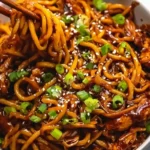
Sticky Garlic Chicken Noodles Recipe
- Total Time: 25 minutes
- Yield: 4 servings 1x
- Diet: General
Description
This Sticky Garlic Chicken Noodles recipe features tender chicken pieces coated in a flavorful, sticky garlic sauce combined with perfectly cooked noodles. The dish is quick to prepare and offers a delightful balance of sweet, savory, and mildly spicy flavors, making it an ideal meal for weeknights or casual dinners.
Ingredients
- 1 lb chicken breast or thighs, cut into bite-sized pieces
- 1/4 cup soy sauce
- 3 tbsp honey
- 4 garlic cloves, minced
- 1 tsp grated ginger
- 1/2 tsp red chili flakes (optional)
- 2 tbsp cornstarch
- 2 tbsp vegetable oil
- 8 oz noodles (rice noodles or egg noodles)
- 2 green onions, chopped
- 1 tsp sesame seeds (optional)
Instructions
- Prepare the sauce: In a bowl, mix soy sauce, honey, minced garlic, grated ginger, and red chili flakes (if using) thoroughly to form a flavorful sauce.
- Coat the chicken: Toss the bite-sized chicken pieces with cornstarch until each piece is evenly coated.
- Heat the oil: Warm the vegetable oil in a large skillet or wok over medium-high heat until hot enough for frying the chicken.
- Cook the chicken: Add the coated chicken to the skillet and cook for about 6 to 8 minutes, stirring occasionally, until golden brown and fully cooked through.
- Add the sauce: Pour the prepared sauce over the cooked chicken and stir well to coat all pieces. Let the sauce simmer for 2 to 3 minutes until it thickens and becomes sticky.
- Cook the noodles: Meanwhile, cook the noodles according to the package instructions until tender. Drain and set them aside.
- Combine everything: Add the cooked noodles to the skillet with the sticky chicken and toss well to evenly distribute the sauce and chicken throughout.
- Garnish and serve: Sprinkle chopped green onions and sesame seeds (if using) over the top for a fresh finish and extra flavor before serving hot.
Notes
For spicier flavor, increase the amount of red chili flakes. Use rice noodles for a gluten-free option. Chicken thighs provide more moisture and flavor compared to breasts. Ensure the oil is hot enough before adding chicken to get a crispy coating.
- Prep Time: 10 minutes
- Cook Time: 15 minutes
- Category: Main Dish
- Method: Frying
- Cuisine: Asian
Nutrition
- Serving Size: 1 serving
- Calories: 510 kcal
- Sugar: 16 g
- Sodium: 1150 mg
- Fat: 14 g
- Saturated Fat: 3 g
- Unsaturated Fat: 11 g
- Trans Fat: 0 g
- Carbohydrates: 52 g
- Fiber: 3 g
- Protein: 38 g
- Cholesterol: 85 mg