
Achieve incredibly tender and flavorful pulled beef using an electric smoker. This method focuses on a low and slow approach to ensure the meat is succulent and easy to shred for sandwiches or platters.

List of ingredients
- 3 tablespoons kosher salt – enhances flavor and tenderizes the meat.
- 3 tablespoons light brown sugar – balances spice and helps create a caramelized bark.
- 1 tablespoon smoked paprika – adds deep reddish color and a smoky profile.
- 1 tablespoon granulated garlic or garlic powder – provides a savory base.
- 2 teaspoons granulated onion or onion powder – adds aromatic depth.
- 1 tablespoon chili powder – introduces a mild heat.
- 1 teaspoon coarse ground black pepper – adds a pungent, spicy kick.
- 1 teaspoon cumin – provides earthy complexity.
- 1 teaspoon dry mustard powder – adds a sharp, tangy note.
- 1 teaspoon coriander – offers a subtle citrusy flavor.
- 8 – 10 pound Beef Chuck Roast (or beef shoulder roast) – choose a cut with significant marbling.
- 1/4 cup yellow mustard – serves as a binder for the dry rub.
- 1 quart apple juice – used in the water pan for moisture.
- 1 quart water – mixed with juice for the water pan.
- apple or cherry smoking wood chips – provides the essential wood-fired aroma.
step-by-step instructions
- Prepare the rub: Combine kosher salt, brown sugar, smoked paprika, garlic powder, onion powder, chili powder, black pepper, cumin, mustard powder, and coriander in a small bowl and mix well.
- Prep the meat: Rinse the beef chuck roast under cool water. Trim the fat cap so it is no more than 1/4 inch thick, then pat the surface completely dry with paper towels.
- Season the beef: Slather yellow mustard over the entire surface of the meat. Apply the dry rub generously and massage it into the meat. Let the seasoned beef rest at room temperature for 1 hour.
- Set up the smoker: Fill the water pan with a equal mixture of apple juice and water. Preheat the smoker to 250 degrees F and add apple or cherry wood chips to the smoker box.
- Start the smoke: Place the beef on the smoker rack and insert a digital probe thermometer into the thickest part, avoiding the bone. Close the lid and lower the temperature to 225 degrees F.
- Monitor the cook: Smoke the meat for several hours, ensuring the temperature remains steady. Add more wood chips during the first 2-3 hours to maintain a thick smoke chamber.
- Reach target temperature: Continue cooking until the internal temperature reaches 205 degrees F. Depending on the size of the roast, this typically takes 8 to 12 hours.
- Rest and shred: Remove the beef and wrap it tightly in pink butcher paper or aluminum foil. Place the wrapped meat in an insulated cooler or cold oven for 30 minutes to 2 hours. Shred the meat using meat claws or heat-resistant gloves.
Selecting the Best Cut of Meat
Choosing a Well-Marbled Chuck Roast
Look for a beef chuck roast that features heavy intramuscular fat, also known as marbling. This fat melts during the long cooking process, basting the meat from the inside and preventing it from drying out.
Evaluating Meat Color and Quality
Select beef that is a deep, rich red color. Avoid cuts with greyish tints or excessive surface moisture, as this can indicate older meat or poor storage conditions.
Considering the Weight of the Roast
A roast between 8 and 10 pounds is ideal for this method. Larger cuts provide more stability in the smoker and generally retain moisture better during a 12-hour cook than smaller pieces.
Developing the Dry Rub
The Role of Brown Sugar in Bark Formation
Brown sugar is essential for creating a dark, flavorful crust known as the bark. As the meat cooks, the sugar caramelizes and bonds with the proteins and smoke to create a sweet and savory exterior.
Adding Depth with Smoked Paprika and Cumin
Smoked paprika provides the classic barbecue color and an initial layer of smokiness. Cumin adds an earthy, aromatic quality that complements the rich flavor of the beef.
Balancing Flavors with Coriander and Mustard Powder
Coriander introduces a light citrus note that cuts through the richness of the beef fat. Mustard powder adds a subtle tang that enhances the other spices without overpowering the meat.
The Importance of Kosher Salt
Kosher salt is preferred over table salt because its larger grains are easier to distribute evenly. It penetrates deep into the muscle fibers, seasoning the meat and helping to break down tough connective tissues.
Preparing the Electric Smoker
Cleaning the Interior Components
Before the first use, wash the interior walls, racks, and water pan with warm, soapy water. This removes manufacturing residues, dust, or oils that could impart an off-flavor to the meat.
Curing the Smoker Walls
Pre-seasoning or curing the smoker involves running it at a high temperature with a bit of oil to seal the interior. This creates a non-stick surface and ensures a cleaner smoke environment.
Optimizing the Water Pan
The water pan creates a humid environment that prevents the surface of the beef from drying out too quickly. Using a mix of apple juice and water adds a subtle sweetness to the steam.
Managing Preheat Temperatures
Preheating to 250 degrees F before dropping to 225 degrees F compensates for the heat lost when the door is opened. This ensures the meat begins cooking at the correct temperature immediately.
Mastering the Smoking Process
Using Mustard as a Binder
Yellow mustard acts as a glue to hold the dry rub against the meat. The vinegar scent disappears during cooking, leaving only the spice crust and the flavor of the beef.
Applying the Rub Effectively
Massage the rub into every crevice of the meat rather than just sprinkling it on top. This ensures consistent flavor and helps the bark form evenly across all surfaces.
Managing the Lid to Retain Heat
Avoid opening the smoker lid frequently, as this allows heat and smoke to escape. Every time the lid opens, the cooking time increases and the temperature consistency is disrupted.
Strategically Adding Wood Chips
Focus the majority of your wood chips during the first 2 to 3 hours of cooking. This is when the meat is most receptive to absorbing smoke flavors before the surface seals.
Understanding the Temperature Stall
What is the Temperature Stall?
The stall occurs when the internal temperature of the meat plateaus, often around 145 to 160 degrees F. This can last for several hours and may lead beginners to believe the meat is not cooking.
The Science of Evaporative Cooling
The stall is caused by moisture evaporating from the surface of the meat, which cools the meat as quickly as the smoker heats it. This process continues until the surface moisture has decreased sufficiently.
Maintaining Patience During the Stall
The most important rule during the stall is to not increase the heat. Increasing the temperature can lead to a tough exterior and dry interior; instead, let the meat push through the stall naturally.
Finishing and Resting Techniques
Using Pink Butcher Paper for Wrapping
Pink butcher paper is breathable, which allows some smoke to escape while retaining heat. This results in a better bark than aluminum foil, which can sometimes make the crust too soft.
Aluminum Foil as an Alternative
If butcher paper is unavailable, aluminum foil provides a tighter seal and traps more moisture. This is a great option if the meat seems to be drying out during the stall.
The Benefits of an Insulated Cooler
Placing the wrapped meat in a cooler or a cold oven creates a makeshift Cambro. This keeps the beef at a safe temperature while allowing the internal juices to redistribute.
Redistributing Juices for Tenderness
Resting the meat for at least 30 minutes allows the fibers to relax and reabsorb the juices. Skipping this step often results in the juices running out onto the board, leaving the meat dry.
Storage and Reheating Advice
Short-Term Refrigeration Guidelines
Store leftover pulled beef in an airtight container in the refrigerator for up to 3 to 4 days. Ensure the meat is cooled slightly before sealing to prevent excessive condensation.
Freezing for Long-Term Preservation
Vacuum sealing is the best method for freezing pulled beef, as it prevents freezer burn. Properly sealed beef can be frozen for up to 3 months while maintaining its quality.
Reheating Without Drying the Meat
To reheat, place the beef in a pan with a splash of beef broth or apple juice. Cover the pan with foil and heat slowly in the oven or on the stovetop to restore moisture.
Variations and Customizations
Experimenting with Wood Types
While apple and cherry provide a sweet, mild flavor, hickory or oak can be used for a bolder, more traditional BBQ taste. A blend of fruitwood and hardwood often provides the best balance.
Using Olive Oil as a Binder
If you prefer not to use mustard, olive oil is an excellent alternative binder. It helps the rub adhere and adds a rich, silky mouthfeel to the final product.
Implementing a Spritz for Enhanced Bark
Spritzing the meat every hour with apple juice or apple cider vinegar helps maintain surface moisture. This can lead to a deeper, more developed bark on the exterior.
Troubleshooting Common Issues
Addressing Tough or Rubbery Meat
Tough meat is usually a sign that the internal temperature did not reach 205 degrees F. Ensure you are using a digital probe to verify the temperature in the thickest part of the roast.
Fixing a Lack of Bark
If the bark is not forming, check your rub’s sugar content and ensure the smoker is not too humid. Avoid wrapping the meat too early, as the bark needs time to set before being covered.
Handling Uneven Cooking
Uneven cooking can happen if the meat is too close to the heat source or the smoker has hot spots. Rotate the roast halfway through the cook to ensure all sides receive equal heat.
Frequently Asked Questions
How long can the beef sit out?
Pulled beef should be refrigerated after 3 to 4 hours at room temperature to prevent spoilage. For longer events, keep the meat in a slow cooker on the warm setting.
How do I keep the beef moist?
Keep a spray bottle of apple juice handy and spritz the shredded meat in the serving pan. Adding a small amount of the resting juices back into the meat also helps.
Can I use a pellet grill instead of an electric smoker?
Yes, a pellet grill works excellently for this recipe. Follow the same temperature settings and resting procedures for the same tender results.
Print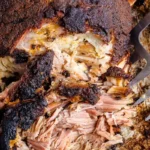
Smoked Beef Chuck Roast (Electric Smoker BBQ Pulled Beef)
- Total Time: 15 hours
- Yield: 12 servings 1x
- Diet: General
Description
For the best Smoked Beef Chuck Roast start with a high-quality piece of meat. Then, fire up your electric smoker, season the meat with a savory dry rub, and let it cook low and slow until it is melt-in-your-mouth tender.
Ingredients
- 3 tablespoons kosher salt
- 3 tablespoons light brown sugar
- 1 tablespoon smoked paprika
- 1 tablespoon granulated garlic or garlic powder
- 2 teaspoons granulated onion or onion powder
- 1 tablespoon chili powder
- 1 teaspoon coarse ground black pepper
- 1 teaspoon cumin
- 1 teaspoon dry mustard powder
- 1 teaspoon coriander
- 8 – 10 pound beef chuck roast
- ¼ cup yellow mustard
- 1 quart apple juice
- 1 quart water
- apple or cherry smoking wood chips
Instructions
- Combine Rub: Add the salt, brown sugar, paprika, granulated garlic and onion, chili powder, pepper, cumin, mustard powder, and coriander to a small bowl and mix until well combined.
- Prepare Meat: Unpackage and rinse the beef chuck roast under cool running water. If necessary, trim off the fat cap so that it is no more than 1/4 inch thick. Pat the beef dry with paper towels.
- Season: Slather yellow mustard all over the surface of the meat, then apply a generous amount of the dry rub mixture. Massage the rub into the meat so it sticks well. Let the seasoned beef rest at room temperature for 1 hour.
- Preheat Smoker: Fill the smoker’s water pan with a mixture of half apple juice and half water. Preheat it to 250 degrees F. Once preheated, add apple or cherry wood chips (or a mixture of the two) to the smoker box.
- Start Smoking: Place the beef chuck roast directly on the smoker rack and insert a digital probe meat thermometer into the thickest part of the meat away from the bone. Close the smoker lid and adjust the cooking temperature to 225 degrees F.
- Smoke: Allow the beef to smoke for several hours, checking on it periodically to make sure the temperature stays steady. Add more wood chips if necessary during the first couple hours of cooking.
- Finish Cooking: Cook the beef until it reaches an internal temperature of 205 degrees F, anywhere from 8 to 12 hours, depending on the size of the roast.
- Rest and Shred: Remove the beef from the smoker and wrap it tightly in pink butcher paper or aluminum foil. Place the wrapped meat in an insulated cooler or cold oven. Let it rest for at least 30 minutes, or up to 2 hours, before shredding the meat with meat claws or your hands.
Notes
Make a double batch of the dry rub and store it in an airtight container for up to 3 months. Some pitmasters prefer to periodically spritz the meat with apple juice during smoking to aid in creating a deeper bark.
- Prep Time: 60 minutes
- Cook Time: 12 hours
- Category: Main Dish
- Method: Smoking
- Cuisine: American
Nutrition
- Serving Size: 1 serving
- Calories: 459 kcal
- Sugar: 11 g
- Sodium: 2018 mg
- Fat: 18 g
- Saturated Fat: 6 g
- Unsaturated Fat: 12 g
- Trans Fat: 0.1 g
- Carbohydrates: 14 g
- Fiber: 1 g
- Protein: 57 g
- Cholesterol: 181 mg