
This slow cooker shrimp boil is an efficient way to prepare a hearty seafood feast with minimal cleanup. By using a crockpot, you can ensure the potatoes and sausage are fully infused with flavor before adding the delicate shrimp.

List of ingredients
- 1 pound large shrimp (peeled and deveined) – use tail-on for improved visual appeal and flavor.
- 1 pound baby potatoes (halved) – small waxy potatoes hold their shape best.
- 2 ears of corn (shucked and cut into thirds) – fresh corn provides the best sweetness.
- 1 pound beef or turkey smoked sausage (sliced into 1-inch pieces) – ensure it is pork-free.
- 1 onion (peeled and quartered) – provides a sweet aromatic base.
- 4 cloves garlic (minced) – adds depth to the cooking liquid.
- 2 tablespoons Old Bay seasoning – the primary flavor profile for the boil.
- 1 lemon (sliced) – adds acidity to balance the richness of the sausage.
- 4 cups chicken broth or seafood broth – used to steam and poach the ingredients.
- Salt and pepper to taste – adjust based on the saltiness of the broth.
- Fresh parsley (chopped) – used for final garnish.
step-by-step instructions
- Layer Ingredients: Place the baby potatoes, corn pieces, sliced beef or turkey sausage, quartered onion, minced garlic, and Old Bay seasoning in the bottom of the slow cooker. This arrangement ensures the densest items are closest to the heat source.
- Add Liquid: Pour the chicken or seafood broth over the layered ingredients. Ensure the liquid level is sufficient to just cover the contents without overflowing the pot.
- Cook on Low: Cover the slow cooker with a tight-fitting lid and cook on the low setting for 4 to 5 hours. Check the potatoes with a fork; they should be tender and easily pierced.
- Add Shrimp: Approximately 30 minutes before you plan to serve, gently stir in the peeled and deveined shrimp. Make sure they are submerged in the broth to cook evenly.
- Continue Cooking: Keep the lid on and continue cooking on low for an additional 20 to 30 minutes. The shrimp are finished when they turn opaque and pink.
- Serve: Use a slotted spoon to carefully lift the ingredients out of the slow cooker. Transfer everything to a large platter and discard the cooked lemon slices.
- Garnish and Serve: Sprinkle with freshly chopped parsley for color. Serve immediately with extra lemon wedges and melted butter on the side.
Advanced Cooking Techniques
Optimal Layering Sequence
The order in which you place ingredients in a slow cooker affects the final texture. Placing the baby potatoes and smoked sausage at the bottom is critical because they require the longest cooking time to soften and release their fats. Corn and aromatics should sit above them to steam in the rising vapors.
Managing Temperature Settings
Using the low setting for this recipe is preferable over the high setting. Low heat prevents the baby potatoes from breaking apart or becoming mushy over the long cooking period. It also allows the seasonings to penetrate deeper into the proteins and vegetables.
Precision Shrimp Timing
Shrimp are highly sensitive to heat and can turn rubbery within minutes if overcooked. By adding them only during the final 30 minutes, you ensure they reach the safe internal temperature of 145 degrees Fahrenheit without losing their tender snap.
Balancing the Broth Ratio
The amount of broth used determines whether the dish is a dry boil or a stew. If you prefer a more concentrated flavor, use slightly less broth so the liquid reduces further. If you intend to serve the meal with crusty bread for dipping, keep the full four cups of liquid.
Ingredient Substitutions
Beef or Turkey Sausage Options
Since traditional smoked sausage often contains pork, beef or turkey alternatives are necessary. Beef sausage provides a richer, saltier flavor that mimics the original, while turkey sausage is leaner and allows the seafood flavors to stand out more prominently.
Potato Variety Selection
While baby red potatoes are recommended for their waxy texture, Yukon Gold potatoes are an excellent alternative. Yukon Golds offer a creamier consistency but may soften faster, so check them more frequently during the final hour of cooking.
Alternative Corn Options
If fresh corn on the cob is unavailable, frozen corn miniatures can be used. If using frozen corn, add it slightly later than the fresh corn to prevent it from becoming overly soft. Avoid canned corn as it lacks the structural integrity needed for a boil.
Broth and Liquid Swaps
Seafood broth provides a more authentic oceanic taste, but low-sodium chicken broth is a versatile substitute. For a lighter version, you can use a mixture of water and a small amount of vegetable bouillon, though this may require an extra teaspoon of Old Bay seasoning.
Serving and Presentation Ideas
Communal Platter Style
The most traditional way to serve a shrimp boil is by spreading the ingredients across a large, parchment-lined platter. This allows guests to see the abundance of the meal and easily grab the different components. It creates a rustic, shared dining experience.
Individual Bowl Portions
For a more formal setting, portion the boil into deep bowls. Ladle a small amount of the seasoned broth over the top to keep the ingredients moist. This method is ideal for dinner parties where guests are seated at a table.
Custom Dipping Sauces
While melted butter is the standard, you can create a lemon-garlic butter by simmering butter with minced garlic and a squeeze of fresh lemon. Another option is a spicy remoulade made from mayonnaise, mustard, and paprika for those who prefer a creamy, tangy contrast.
Complementary Side Dishes
Pair the boil with a refreshing coleslaw or a crisp green salad to cut through the richness of the sausage. Cornbread is also a classic accompaniment, as it can be used to soak up the remaining seasoned broth from the platter.
Storage and Reheating Guidelines
Proper Refrigeration Methods
Allow the shrimp boil to cool slightly before transferring it to an airtight container. Store the components in the refrigerator for no more than three days. Keeping the broth in the container helps prevent the shrimp and potatoes from drying out.
Gentle Reheating Techniques
Avoid using a high-power microwave setting, as this will toughen the shrimp. Instead, reheat the leftovers in a skillet over low heat with a splash of chicken broth. Cover the pan with a lid to create a steaming effect, heating just until warm.
Freezing Considerations
It is not recommended to freeze this dish once fully cooked. The texture of the potatoes becomes grainy when frozen, and the shrimp often become rubbery upon thawing. If you must freeze it, freeze the sausage and corn separately from the seafood.
Troubleshooting Common Issues
Preventing Rubbery Shrimp
The primary cause of rubbery shrimp is overexposure to heat. If your shrimp are consistently too tough, try adding them in smaller batches or reducing the final cooking time to 15-20 minutes. Always ensure the slow cooker is on low when adding the seafood.
Fixing Underdone Potatoes
If the potatoes are still hard when the timer goes off, it may be due to the size of the potato halves. Cut the baby potatoes into smaller quarters to increase the surface area and speed up the cooking process. You can also cook them for an extra 30 minutes before adding the shrimp.
Managing Watery Broth
If the liquid is too thin or watery, you can simmer the broth in a saucepan to reduce it before adding it to the slow cooker. Alternatively, stir in a small amount of cornstarch slurry during the final 30 minutes to slightly thicken the sauce.
Enhancing Muted Flavors
If the dish lacks punch, it is usually due to a lack of acidity or salt. Stir in a tablespoon of fresh lemon juice or an extra pinch of Old Bay seasoning just before serving. The acidity of the lemon wakes up the other flavors in the pot.
Frequently Asked Questions
Can I use frozen shrimp for this recipe?
Yes, you can use frozen shrimp. However, they must be completely thawed and patted dry before being added to the slow cooker. Adding frozen shrimp directly will drop the temperature of the broth and may lead to uneven cooking.
How long will the leftovers last in the fridge?
Properly stored in an airtight container, the shrimp boil will remain safe to eat for up to three days. Ensure the container is sealed tightly to prevent the seafood from absorbing other odors in the refrigerator.
Can I use a different seasoning instead of Old Bay?
You can use a mixture of paprika, celery salt, cayenne pepper, and black pepper if Old Bay is unavailable. The key is to maintain a balance of salt, heat, and a hint of celery flavor to mimic the traditional boil profile.
Can I cook this on high instead of low?
Cooking on high is possible but risky. It would reduce the cook time to approximately 2-3 hours, but the potatoes are more likely to overcook and disintegrate. If using the high setting, check the tenderness of the vegetables every hour.
Print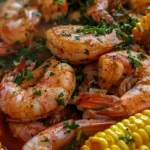
Slow Cooker Seafood and Sausage Boil
- Total Time: 4 hours 15 minutes
- Yield: 6 servings 1x
- Diet: General
Description
This Slow Cooker Shrimp Boil recipe is perfect for a hassle-free and delicious meal that’s bursting with flavor. Just set it and forget it, and let the slow cooker do all the work while you enjoy the enticing aroma filling your kitchen!
Ingredients
- 1 pound large shrimp (peeled and deveined)
- 1 pound baby potatoes (halved)
- 2 ears of corn (shucked and cut into thirds)
- 1 pound smoked turkey sausage (sliced into 1-inch pieces)
- 1 onion (peeled and quartered)
- 4 cloves garlic (minced)
- 2 tablespoons Old Bay seasoning
- 1 lemon (sliced)
- 4 cups chicken broth or seafood broth
- Salt and pepper to taste
- Fresh parsley (chopped for garnish)
Instructions
- Layer Ingredients: In the slow cooker, layer the baby potatoes, corn pieces, sliced sausage, quartered onion, minced garlic, and Old Bay seasoning.
- Add Liquid: Pour the chicken broth over the ingredients in the slow cooker. The liquid should just cover the ingredients.
- Cook on Low: Cover and cook on low for 4-5 hours or until the potatoes are tender when pierced with a fork.
- Add Shrimp: About 30 minutes before serving, add the peeled and deveined shrimp to the slow cooker. Stir gently to submerge the shrimp in the broth.
- Continue Cooking: Cover and continue cooking on low for an additional 20-30 minutes, or until the shrimp are pink and cooked through.
- Serve: Once the shrimp are cooked, carefully remove all the ingredients from the slow cooker using a slotted spoon and transfer them to a large serving platter or bowl. Discard any lemon slices.
- Garnish and Serve: Garnish the shrimp boil with chopped fresh parsley for a pop of color and freshness. Serve hot with additional Old Bay seasoning, lemon wedges, and melted butter on the side for dipping.
Notes
Customize Ingredients: Feel free to add other ingredients such as crab legs, mussels, or additional vegetables like carrots and celery to suit your taste preferences. Adjust Seasoning: Adjust the amount of Old Bay seasoning according to your preference for spiciness and flavor intensity. Don’t Overcook Shrimp: Add the shrimp to the slow cooker only during the last 30 minutes of cooking time to prevent them from becoming tough and rubbery.
- Prep Time: 15 minutes
- Cook Time: 4 hours
- Category: Main Course
- Method: Slow Cooking
- Cuisine: American, Southern
Nutrition
- Serving Size: 1 serving
- Calories: 367 kcal
- Sugar: 6 g
- Sodium: 1150 mg
- Fat: 16 g
- Saturated Fat: 5 g
- Unsaturated Fat: 11 g
- Trans Fat: 0 g
- Carbohydrates: 28 g
- Fiber: 4 g
- Protein: 27 g
- Cholesterol: 145 mg