
Prepare tender, cooked chicken without the need for prior thawing. This method creates a versatile protein base that can be used in a wide variety of meals and recipes.

List of ingredients
- 6 frozen, boneless and skinless chicken breasts – the primary protein source.
- 1 1/2 tbsp butter, thinly sliced – adds richness and helps keep the meat tender.
- 1 1/2 tsp salt – enhances the natural flavors of the chicken.
- 1 tsp poultry seasoning – provides a classic, savory herbal profile.
- 1/2 tsp black pepper – adds a subtle hint of spice and depth.
step-by-step instructions
- Combine: Place the frozen chicken breasts, thinly sliced butter, salt, poultry seasoning, and black pepper into the Crock-Pot insert.
- Cook: Cover the pot with the lid and set to LOW heat for 6-8 hours, or HIGH heat for 4-6 hours.
- Verify: Use a digital meat thermometer to ensure the internal temperature reaches a minimum of 165 degrees F.
- Shred: Remove the chicken from the pot and shred the meat using two forks or a hand mixer.
- Freeze: To store for later, allow the chicken to cool completely, place it in a freezer-safe zippered bag, and freeze for up to three months.
Maximizing Your Cooking Results
Verify Internal Temperature Precisely
Always use a digital meat thermometer to check the thickest part of the largest chicken breast. Ensuring the meat reaches 165 degrees F is critical for food safety when cooking from frozen. If the chicken shreds easily with a fork, it is likely well above this temperature.
Managing Liquid Accumulation
Frozen chicken breasts release a significant amount of water as they thaw and cook. Do not add water or broth to the slow cooker, as this will result in a watery consistency. You can save these natural juices to use as a base for a chicken stock or gravy.
Selecting the Correct Slow Cooker Size
A 6-quart Crock-Pot is ideal for six chicken breasts to ensure proper heat circulation. If you are increasing the batch size, upgrade to an 8-quart slow cooker. Avoid overcrowding the pot, as this can lead to uneven cooking times.
Ingredient Substitutions and Alternatives
Substituting Chicken Breasts with Thighs
Frozen boneless, skinless chicken thighs can be used as an alternative to breasts. Thighs contain more fat and are less likely to dry out during long cooking cycles. You may reduce the butter slightly when using thighs to manage the total fat content.
Using Frozen Turkey Breast
Frozen turkey breast can be prepared using a similar method, though it may require longer cooking times depending on the size. Keep the salt and poultry seasoning ratios similar to maintain a classic flavor. Always verify the internal temperature reaches 165 degrees F.
Swapping Butter for Vegetable Oil
If you prefer not to use butter, you can substitute it with a neutral vegetable oil or olive oil. Use the same measurement of 1.5 tablespoons to provide the necessary fat for moisture. This substitution keeps the meat from sticking to the bottom of the insert.
Custom Flavor Variations
Adding Garlic Powder for Depth
Incorporate one teaspoon of garlic powder along with the salt and pepper for a more pungent flavor. This addition works well for those planning to use the chicken in Italian-inspired dishes. Mix the powder thoroughly over the frozen breasts before starting the cooker.
Using Smoked Paprika for Color
Adding a teaspoon of smoked paprika gives the chicken a reddish hue and a subtle woody flavor. This is an excellent choice if you intend to use the shredded chicken for BBQ sandwiches or tacos. The paprika blends well with the poultry seasoning.
Incorporating Onion Powder for Savory Notes
Onion powder adds a sweet and savory layer to the meat that complements the butter. Use one teaspoon of onion powder to enhance the overall flavor profile. This variation is particularly useful for chicken used in casseroles.
Implementing a Lemon-Pepper Profile
Replace the poultry seasoning with a high-quality lemon pepper blend for a brighter, zesty taste. This version is ideal for cold chicken salads or topping grilled vegetables. Adjust the additional salt carefully, as many lemon pepper blends already contain salt.
Versatile Ways to Use Cooked Chicken
Buffalo Chicken Taco Fillings
Mix the shredded chicken with hot sauce and a small amount of melted butter in a skillet. Heat until the sauce is bubbly and well-incorporated into the meat. Serve in warm corn tortillas with shredded cabbage, lime juice, and avocado.
Hearty Chicken and Dumplings
Add the shredded chicken to a thick vegetable and cream-based broth. Simmer the mixture and drop spoonfuls of flour-based dough on top to create dumplings. Cover the pot and steam until the dumplings are fluffy and cooked through.
Creamy Chicken Poppyseed Casserole
Combine the cooked chicken with cream of chicken soup, sour cream, and a handful of poppyseeds. Fold in cooked rice or noodles and bake in the oven until the top is golden brown. This creates a rich, comforting meal perfect for family dinners.
Savory Marry Me Chicken Soup
Simmer the shredded chicken in a broth infused with sun-dried tomatoes, heavy cream, and parmesan cheese. Add fresh spinach at the end of the process until it wilts. Serve hot with a side of crusty bread for dipping.
Classic Chicken Divan Casserole
Layer steamed broccoli and shredded chicken in a baking dish. Cover the top with a mixture of mayonnaise, lemon juice, and melted cheese. Bake until the cheese is bubbling and the edges are slightly browned.
Proper Storage and Preservation
Refrigeration Guidelines for Cooked Chicken
Store cooked, shredded chicken in an airtight container in the refrigerator. Ensure the container is sealed tightly to prevent the meat from absorbing other odors. The chicken will remain fresh and safe for consumption for up to four days.
Long-term Freezing Procedures
Allow the chicken to cool completely to room temperature before freezing to avoid ice crystal formation. Portion the chicken into smaller amounts, such as two-cup servings, for easier use. Use heavy-duty freezer bags to protect the meat from air exposure.
Thawing the Frozen Chicken
Thaw the frozen shredded chicken slowly in the refrigerator overnight. This method preserves the texture and ensures the meat remains safe. Avoid thawing at room temperature on the counter to prevent bacterial growth.
Preventing Freezer Burn
Squeeze as much air as possible out of the freezer bag before sealing it completely. You can use a straw to suck out remaining air for a vacuum-like seal. Label each bag with the date of freezing to track the three-month shelf life.
Effective Reheating Techniques
Quick Microwave Reheating
Place the shredded chicken in a microwave-safe bowl and add a tablespoon of water or broth. Cover the bowl with a damp paper towel to trap steam. Heat in 30-second intervals, stirring in between, until the meat is warmed through.
Stovetop Sautéing
Heat a skillet over medium heat with a small pat of butter or a splash of olive oil. Add the shredded chicken and sauté for 3-5 minutes. This method is best for adding a slight sear to the meat and improving the texture.
Slow Oven Warming
Spread the chicken in a baking dish and cover it tightly with aluminum foil. Bake at 325 degrees F for about 15-20 minutes. This slow process prevents the lean breast meat from drying out during the reheating stage.
Troubleshooting Common Issues
Preventing Dry Chicken Breasts
Avoid cooking the chicken beyond the recommended time limits, even on the low setting. Overcooking can lead to a stringy or dry texture. Using the butter as specified helps provide a protective fat layer to retain moisture.
Solving Under-cooked Areas
If the center of the chicken is not 165 degrees F, continue cooking in 30-minute increments. Ensure the lid remains closed to keep the heat consistent inside the pot. Always re-check the thickest part of the meat before removing it.
Reducing Watery Textures
If the finished chicken is sitting in too much liquid, drain the juices before shredding. You can also simmer the shredded chicken in a pan for a few minutes to evaporate excess moisture. This ensures your final dish is not diluted.
Frequently Asked Questions
Do I need to add extra liquid?
No, you do not need to add water, broth, or sauce. The frozen chicken breasts release plenty of natural moisture during the cooking process.
Can I cook frozen chicken on high heat?
Yes, you can use the HIGH setting for 4-6 hours. However, the LOW setting is generally recommended for the most tender results.
How long does the shredded chicken last?
The cooked chicken lasts up to four days in the refrigerator and up to three months in the freezer.
Can I use a different seasoning blend?
Yes, you can substitute poultry seasoning with Italian seasoning, lemon pepper, or a homemade blend of herbs. Just maintain a similar volume of seasoning to ensure flavor balance.
Print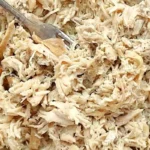
Slow Cooker Frozen Chicken Breasts for Easy Meal Prep
- Total Time: 6 hours 5 minutes
- Yield: 6 servings 1x
- Diet: General
Description
An easy recipe for making frozen, boneless and skinless chicken breasts in the Crock Pot to use in any recipe calling for cooked chicken.
Ingredients
- 6 frozen, boneless and skinless chicken breasts
- 1 1/2 tbsp butter, thinly sliced
- 1 1/2 tsp salt
- 1 tsp poultry seasoning
- 1/2 tsp black pepper
Instructions
- Step 1: Place the frozen chicken breasts with the butter and seasoning into the Crock-Pot insert.
- Step 2: Cover and cook on LOW heat for 6-8 hours, or HIGH heat for 4-6 hours.
- Step 3: Check the temperature of the chicken to make sure, at minimum, it is cooked to 165 degrees F.
- Step 4: Shred the chicken. Use in your favorite recipe.
- Step 5: To freeze: Allow the chicken to cool. Place the chicken into a freezer-safe, zippered bag. Freeze for up to three months.
Notes
This recipe also works with frozen chicken thighs. No extra cooking liquid is needed as the chicken breasts release plenty of liquid during the thawing and cooking process.
- Prep Time: 5 minutes
- Cook Time: 6 hours
- Category: Main Course
- Method: Slow Cooker
- Cuisine: American
Nutrition
- Serving Size: 1 serving
- Calories: 284 kcal
- Sugar: 0.01 g
- Sodium: 866 mg
- Fat: 9 g
- Saturated Fat: 3 g
- Unsaturated Fat: 3 g
- Trans Fat: 0.1 g
- Carbohydrates: 0.3 g
- Fiber: 0.1 g
- Protein: 48 g
- Cholesterol: 152 mg