
This method for preparing corn on the cob uses a slow cooker to steam the vegetables gently. It preserves the natural sugars and juices of the corn while requiring minimal active effort.

List of ingredients
- 3/4 cup water – used to create steam for cooking.
- 1 stick unsalted butter, divided – half for brushing and half for finishing.
- 8 ears fresh corn – shucked and cut into halves for better fit.
- Salt – added to taste for flavor enhancement.
- Freshly ground black pepper – optional addition for a slight bite.
step-by-step instructions
- Prep the pot: Pour the 3/4 cup of water into the bottom of the slow cooker pot.
- Butter the corn: Melt 4 tablespoons (half the stick) of butter and brush it evenly over each piece of corn.
- Season and load: Sprinkle salt on each piece of corn and place them into the slow cooker. Add pepper if desired.
- Cook: Set the slow cooker to high for 2 to 3 hours, or low for 6 to 7 hours. Use the ‘warm’ setting if the corn is finished before you are ready to serve.
- Final touch: Right before serving, cut the remaining 4 tablespoons of butter into small chunks and add them to the pot. Gently stir with a wooden spoon to coat the corn.
Flavor Customization and Seasoning Options
Adding Garlic and Onion Powder
Adding a half teaspoon of garlic powder or onion powder to the butter before brushing provides a savory depth. These powdered spices adhere well to the corn kernels during the steaming process. They integrate into the butter and permeate the corn throughout the long cook time.
Using Cayenne for Heat
For a spicy variation, sprinkle a pinch of cayenne pepper over the corn before placing it in the slow cooker. The heat is tempered by the butter, creating a warm glow rather than an intense burn. This works well if you are serving the corn alongside grilled meats.
Incorporating Dried Herbs
Dried herbs like oregano or thyme can be added to the initial seasoning step. Because they are dried, they withstand the long cooking process without losing all their flavor. Use them sparingly to avoid overpowering the natural sweetness of the corn.
Adding Fresh Herbs at the End
Fresh parsley or cilantro should be stirred in only after the cooking process is complete. Adding them too early will cause the delicate leaves to wilt and turn brown. A handful of chopped fresh herbs adds a bright color and a fresh contrast to the rich butter.
Experimenting with Paprika
Smoked paprika adds a woody, campfire flavor that complements the buttery profile of the corn. Brush it on with the melted butter for an even distribution. This creates a visually appealing reddish hue on the bright yellow kernels.
Ingredient Substitutions and Alternatives
Using Frozen Corn Ears
If fresh corn is unavailable, frozen ears can be used as a substitute. Ensure the corn is fully thawed in the refrigerator before adding it to the slow cooker. Avoid cooking frozen corn directly from the freezer, as this can drop the pot temperature and extend cooking times.
Substituting Butter with Olive Oil
For a dairy-free or lighter option, replace the butter with extra virgin olive oil. Use the same quantities: half for brushing and half for the final toss. Olive oil provides a cleaner, fruitier taste while maintaining the moisture of the kernels.
Using Vegetable Broth instead of Water
Replacing the water with a low-sodium vegetable broth adds an extra layer of savory flavor. The broth infuses the corn with umami notes that water cannot provide. This is particularly effective when using the ‘low’ setting for several hours.
Salt Alternatives for Flavor
Coarse sea salt or kosher salt can be used instead of standard table salt for a different texture. If you prefer a more complex salt profile, a small amount of celery salt can be mixed in. This adds a subtle vegetal note that enhances the sweetness of the corn.
Technical Cooking and Preparation Tips
Preventing Bottom Browning with Stirring
Slow cookers often have a concentrated heat zone at the bottom of the ceramic pot. Stir the corn every 30 to 60 minutes, especially during the final two hours of cooking. This prevents the bottom pieces from over-browning or sticking to the surface.
Optimal Corn Cutting for Space
Cutting the ears of corn in half is essential for maximizing the surface area in the slow cooker. This allows the steam to circulate more evenly around each piece. Halved cobs also make the dish easier to serve and eat for guests.
Managing Water Levels
The 3/4 cup of water is designed to create a steaming environment rather than boiling the corn. Do not be tempted to fill the pot with water, as this will dilute the flavor of the corn. The limited water keeps the kernels plump and prevents them from becoming waterlogged.
Heat Setting Differences
The ‘low’ setting is generally preferred as it allows the starches to break down more slowly, resulting in a more tender texture. The ‘high’ setting is useful for tighter schedules but requires more frequent monitoring. Always check for tenderness starting 30 minutes before the suggested end time.
Using the Warm Setting
The ‘warm’ setting is ideal for maintaining the corn’s temperature without continuing the cooking process. It can be used for up to one hour without compromising the texture. This is helpful for parties where guests arrive at different times.
Serving and Presentation Ideas
Direct Serving from the Crockpot
Serving the corn directly from the slow cooker is the most efficient way to keep the dish hot. Ensure the butter is fully melted and stirred in before bringing the pot to the table. Provide a set of tongs next to the pot for easy guest access.
Plating on a Serving Tray
For a more formal presentation, transfer the corn to a large platter using tongs. Arrange the halves in a circular pattern and drizzle any remaining butter from the pot over the top. Garnish with a few sprigs of fresh parsley for visual appeal.
Pairing with Grilled Main Courses
This corn pairs exceptionally well with grilled chicken, burgers, or steak. The buttery sweetness balances the charred, smoky flavors of grilled proteins. It also serves as a great side for roasted vegetables or a fresh garden salad.
Adding Toppings After Cooking
Consider offering a variety of toppings on the side for guests to customize their corn. Crumbled feta cheese or a squeeze of lime juice can add acidity and saltiness. A sprinkle of chili powder can provide an extra kick for those who prefer spicy food.
Storage and Reheating Guidelines
Refrigerating Leftover Corn
Store leftover corn in an airtight container in the refrigerator for up to 24 hours. Corn tends to lose its optimal buttery texture after the first day. Ensure the corn is cooled slightly before sealing the container to prevent excess condensation.
Microwave Reheating Method
To reheat, place a few pieces of corn on a microwave-safe plate and cover them with a damp paper towel. Heat in 30-second intervals until warmed through. The damp towel helps re-steam the kernels, preventing them from becoming chewy.
Oven Reheating Technique
For a better texture, reheat the corn in an oven at 300 degrees Fahrenheit. Place the corn in a baking dish with a tablespoon of water and cover it tightly with foil. Heat for 10 to 15 minutes until the corn is hot throughout.
Signs of Texture Degradation
If the corn kernels appear shriveled or the butter has separated into a greasy film, the corn may be overcooked or too old. Freshly cooked corn should be plump and bright yellow. Once the starch begins to crystallize during cooling, the ‘snap’ of the kernel is diminished.
Common Troubleshooting Questions
How long should I cook corn on the cob in a slow cooker?
Depending on the heat setting, corn typically takes 2 to 3 hours on high or 6 to 7 hours on low. The goal is for the kernels to be tender and juicy without becoming mushy. Always test a kernel with a fork to ensure it is cooked through.
Do I need to add water or any liquid when making slow cooker corn on the cob?
Yes, a small amount of liquid is necessary to create the steam that cooks the corn. Without water, the corn would rely solely on the butter and its own moisture, which can lead to burning. The water ensures an even temperature throughout the pot.
Can I add seasonings or butter before cooking the corn in the slow cooker?
Yes, seasoning the corn before cooking allows the flavors to penetrate deeper into the kernels. Brushing with butter and adding salt before the process begins enhances the overall taste. However, fresh herbs should be reserved for the very end.
Can the corn be kept warm on the WARM setting in the slow cooker until ready to serve?
The ‘warm’ setting is safe to use for approximately one hour. It keeps the corn at a serving temperature without continuing to break down the cell walls of the vegetable. This prevents the corn from becoming overcooked and soft.
Print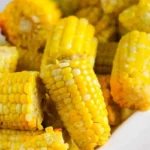
Slow Cooker Buttery Corn on the Cob
- Total Time: 6 hours 10 minutes
- Yield: 8 servings 1x
- Diet: Vegetarian
Description
Slow Cooker Corn on the Cob is steamed perfectly to be juicy, plump, and bright yellow, making it an incredibly easy and delicious side dish.
Ingredients
- ¾ cup water
- 1 stick unsalted butter, divided
- 8 ears fresh corn, shucked and cut into halves
- Salt to taste
- Freshly ground black pepper to taste (optional)
Instructions
- Step 1: Pour the water into the slow cooker pot.
- Step 2: Melt half of the butter (4 tbsp) and brush each piece of corn with the butter.
- Step 3: Salt each piece of corn (and pepper if desired) and place it in the slow cooker.
- Step 4: Cook on high for 2 to 3 hours or low for 6 to 7 hours.
- Step 5: Just before serving, add the remaining 4 tbsp of butter in chunks and gently stir with a wooden spoon.
Notes
Stir the corn every 30 minutes to an hour, especially during the final hours of cooking, to avoid browning. You can prep the corn the night before by shucking and cutting it, then storing it in an air-tight container in the fridge.
- Prep Time: 10 minutes
- Cook Time: 6 hours
- Category: Vegetable – Side Dish
- Method: Slow Cooking
- Cuisine: American
Nutrition
- Serving Size: 1 ear of corn
- Calories: 179 kcal
- Sugar: 6 g
- Sodium: 16 mg
- Fat: 13 g
- Saturated Fat: 8 g
- Unsaturated Fat: 4 g
- Trans Fat: 0.5 g
- Carbohydrates: 17 g
- Fiber: 2 g
- Protein: 3 g
- Cholesterol: 30 mg