
This ground beef teriyaki bowl is an efficient weeknight meal that balances sweet and savory flavors. It comes together in under 30 minutes using common pantry staples and a single skillet.

List of ingredients
- 1 lb ground beef – use 80/20 or 85/15 for optimal flavor.
- 1/2 cup soy sauce – provides the primary salty base.
- 3 tablespoons brown sugar – adds sweetness and helps the sauce caramelize.
- 1 teaspoon garlic powder – for a concentrated savory depth.
- 1 teaspoon ginger powder – adds a warm, spicy aromatic note.
- 1/2 teaspoon sesame oil – used for a toasted, nutty finish.
- 1 tablespoon cornstarch – used to thicken the sauce.
- 2 tablespoons water – to create the cornstarch slurry.
- Cooked rice or lettuce leaves – for serving the beef.
- Sesame seeds and green onions – optional garnishes for added texture and color.
step-by-step instructions
- Brown the beef: Heat a large skillet over medium heat. Add the ground beef and cook, breaking it into small pieces with a wooden spoon until fully browned. Drain any excess grease from the pan before continuing.
- Prepare the sauce: Whisk together the soy sauce, brown sugar, garlic powder, ginger powder, and sesame oil in a small bowl. In a separate small container, mix the cornstarch and water until a smooth slurry forms.
- Simmer the mixture: Pour the combined teriyaki sauce over the browned beef in the skillet. Stir well to coat the meat and let it simmer for 2 to 3 minutes so the flavors penetrate the beef.
- Thicken the glaze: Pour the cornstarch slurry into the skillet. Stir constantly and cook for another 2 to 3 minutes until the sauce thickens and develops a glossy appearance.
- Plating and garnish: Remove the skillet from the heat. Serve the teriyaki beef over warm rice or inside fresh lettuce cups, then garnish with sesame seeds and sliced green onions.
Optimizing Your Cooking Process
Choosing the Right Ground Beef Fat Percentage
Use ground beef with an 80/20 or 85/15 lean-to-fat ratio to ensure the meat remains juicy during the browning process. If you use very lean beef, such as 93/7, add a tablespoon of vegetable oil to the skillet to prevent the meat from sticking. Always drain excess fat after browning to prevent the final sauce from becoming greasy.
Using a Heavy-Bottomed Skillet for Even Browning
A cast iron or heavy stainless steel skillet distributes heat more evenly than thin aluminum pans. This prevents hot spots that can burn the brown sugar in the sauce. Even heat ensures the beef browns uniformly without scorching the aromatics.
Preparing the Slurry Immediately Before Use
Cornstarch tends to settle at the bottom of the bowl if mixed too early. Stir the cornstarch and water mixture immediately before pouring it into the pan to ensure the thickener is evenly distributed. This prevents clumps of starch from forming in your final sauce.
Ingredient Substitutions and Tweaks
Using Tamari for a Gluten-Free Alternative
Replace the soy sauce with tamari to make this recipe gluten-free while maintaining the same deep, salty flavor. Tamari is brewed without wheat and provides a similar consistency to traditional soy sauce. Ensure the tamari is stirred well before measuring.
Swapping Ground Beef for Turkey or Chicken
Ground turkey or ground chicken are excellent lean alternatives that absorb the teriyaki glaze effectively. Since these meats are leaner, you will likely need to add a teaspoon of oil to the pan for browning. The flavor profile remains consistent, though the meat will be milder than beef.
Adjusting the Sugar for Different Sweetness Levels
If you prefer a less sweet sauce, reduce the brown sugar to two tablespoons. For a more dessert-like glaze, increase it to four tablespoons. Brown sugar is preferred over white sugar because the molasses content adds a richer color and deeper taste.
Replacing Sesame Oil with Neutral Vegetable Oil
If sesame oil is unavailable, you can substitute it with a neutral oil like canola or vegetable oil. While you will lose the specific toasted nuttiness, the core savory-sweet balance remains intact. To recover some flavor, you can add a pinch more ginger powder.
Nutritional Enhancements and Vegetable Additions
Adding Steamed Broccoli for Texture
Steam fresh broccoli florets separately and stir them into the skillet during the final thickening step. This keeps the broccoli vibrant and crisp while allowing it to be coated in the teriyaki glaze. It adds essential vitamins and a fresh contrast to the rich beef.
Incorporating Sliced Bell Peppers and Carrots
Sauté thinly sliced bell peppers and julienned carrots in the skillet before adding the beef. Cook them until they are tender-crisp to ensure they maintain their structure. These vegetables add natural sweetness and a variety of colors to the bowl.
Mixing in Snap Peas for a Fresh Crunch
Add fresh snap peas during the last two minutes of simmering. Because they cook quickly, adding them at the end prevents them from becoming mushy. This provides a refreshing snap that complements the soft texture of the ground beef.
Serving and Presentation Ideas
Serving Over Steamed Jasmine Rice
Jasmine rice is ideal because its floral aroma and slightly sticky texture hold the teriyaki sauce well. Ensure the rice is fluffy and hot when plating to keep the beef glaze from굳ing. Use a bowl to layer the rice on the bottom and the beef on top.
Using Crisp Lettuce Cups for a Low-Carb Option
Use Romaine hearts or butter lettuce leaves as a natural wrapper for a lighter, low-carb meal. Wash and dry the leaves thoroughly to prevent water from diluting the sauce. This option provides a cooling contrast to the warm, savory beef.
Pairing with Cauliflower Rice for Added Volume
Sauté riced cauliflower with a pinch of salt before serving the beef on top. This increases the volume of the meal without adding significant calories. The neutral taste of cauliflower rice allows the teriyaki flavors to remain the focal point.
Garnishing with Fresh Sliced Green Onions
Slice green onions thinly on a bias to create a professional look. The raw onion provides a sharp, fresh bite that cuts through the richness of the beef and sugar. Sprinkle them generously over the top just before serving.
Storage and Preservation Guide
Refrigerating Leftovers in Airtight Containers
Store leftover teriyaki beef in a glass airtight container to maintain freshness for up to four days. Glass is preferable to plastic as it does not absorb the strong odors of garlic and ginger. Let the beef cool slightly before sealing the lid to prevent excess condensation.
Freezing Teriyaki Beef for Long-Term Storage
Transfer completely cooled beef into freezer-safe bags or containers, removing as much air as possible. This dish freezes well for up to three months without losing significant flavor. Ensure the beef is fully coated in sauce before freezing to prevent freezer burn.
Thawing Frozen Beef Safely in the Refrigerator
Move the frozen beef from the freezer to the refrigerator 24 hours before you plan to eat it. Slow thawing preserves the texture of the meat and prevents the sauce from separating. Avoid thawing at room temperature to maintain food safety.
Reheating Methods for Best Results
Microwave Reheating Instructions
Place the beef in a microwave-safe dish and add a teaspoon of water to restore moisture. Cover the dish with a damp paper towel and heat in 30-second intervals, stirring in between. This prevents the meat from drying out and keeps the sauce glossy.
Stovetop Reheating to Restore Glossy Texture
Heat a small skillet over low-medium heat with a tiny drop of oil. Add the beef and a splash of water or beef broth to loosen the thickened sauce. Stir gently until the beef is heated through and the sauce returns to a glossy state.
Make-Ahead Planning
Preparing the Sauce in Advance
Whisk the soy sauce, brown sugar, and spices together and store them in a jar in the fridge for up to a week. Do not add the cornstarch slurry to the pre-made sauce; keep the slurry separate or make it fresh. This reduces the active cooking time on the night of the meal.
Batch Cooking for Weekly Meal Prep
Cook a double or triple batch of the beef and divide it into individual portions with rice. This allows for a quick ‘grab-and-go’ lunch during the work week. Keep the garnishes like green onions and sesame seeds separate until the moment of serving.
Troubleshooting Common Issues
Fixing a Sauce That Is Too Thin
If the sauce is too liquid after the initial slurry, mix an additional teaspoon of cornstarch with a teaspoon of water. Stir this new slurry into the simmering beef and cook for one more minute. The heat will activate the starch and thicken the glaze instantly.
Correcting an Overly Salty Sauce
If the sauce tastes too salty, stir in a small amount of water or a teaspoon of honey. The additional sweetness or dilution helps balance the sodium from the soy sauce. Adding a squeeze of fresh lime juice can also brighten the flavor and mask excess salt.
Preventing the Beef from Becoming Dry
Avoid overcooking the beef during the initial browning phase. Once the beef is no longer pink, move immediately to the sauce phase. The simmer time is short, so keeping the heat at medium prevents the proteins from toughening.
Frequently Asked Questions
Can I make this recipe ahead of time?
Yes, this dish is excellent for meal prep. You can cook the beef and store it in the refrigerator for up to four days, reheating it on the stove or in the microwave.
What can I serve with this dish?
In addition to rice and lettuce, this beef pairs well with steamed broccoli, sautéed snap peas, or mixed stir-fry vegetables. You can also serve it over udon or rice noodles.
Can I freeze the leftovers?
Yes, you can freeze the cooked teriyaki beef in an airtight container for up to three months. Thaw it in the refrigerator overnight before reheating for the best quality.
Print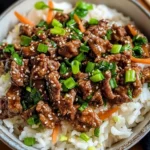
Savory Ground Beef Teriyaki Bowls
- Total Time: 25 minutes
- Yield: 4 servings 1x
- Diet: General
Description
This Ground Beef Teriyaki recipe is the ultimate go-to for busy weeknights. It’s quick, flavorful, and comes together with simple pantry staples. Imagine tender ground beef coated in a glossy, savory-sweet teriyaki sauce, served over fluffy rice or crisp lettuce.
Ingredients
- 1 lb ground beef
- ½ cup soy sauce
- 3 tablespoons brown sugar
- 1 teaspoon garlic powder
- 1 teaspoon ginger powder
- ½ teaspoon sesame oil
- 1 tablespoon cornstarch
- 2 tablespoons water
- Cooked rice or lettuce leaves for serving
- Sesame seeds, green onions (optional garnish)
Instructions
- Cook the Ground Beef: Start by heating a large skillet over medium heat. Add the ground beef and cook, breaking it into small pieces with a wooden spoon. Cook until it’s browned and fully cooked through. Drain any excess grease from the pan and return the skillet to the stove.
- Whisk the Sauce: While the beef is cooking, whisk together the soy sauce, brown sugar, garlic powder, ginger powder, and sesame oil in a small bowl. In a separate dish, mix the cornstarch with water to form a slurry.
- Combine the Sauce and Beef: Pour the teriyaki sauce mixture over the cooked beef and stir to coat evenly. Let it simmer for 2–3 minutes to allow the flavors to meld together.
- Thicken the Sauce: Add the cornstarch slurry to the skillet and stir well. Cook for another 2–3 minutes, or until the sauce thickens and becomes glossy.
- Serve and Garnish: Remove the skillet from heat and serve the teriyaki beef over a bed of warm rice or in lettuce cups for a lighter option. Garnish with sesame seeds and green onions for an extra pop of flavor and color.
Notes
For a gluten-free version, replace soy sauce with tamari or coconut aminos. Adjust the sweetness of the sauce to your preference by reducing or increasing the brown sugar. The sesame oil adds depth to the flavor, but if you don’t have it, you can skip it.
- Prep Time: 5 minutes
- Cook Time: 20 minutes
- Category: Dinner
- Method: Skillet
- Cuisine: Asian-inspired
Nutrition
- Serving Size: 1 serving
- Calories: 250 kcal
- Sugar: 10 g
- Sodium: 1750 mg
- Fat: 15 g
- Saturated Fat: 5 g
- Unsaturated Fat: 10 g
- Trans Fat: 0 g
- Carbohydrates: 10 g
- Fiber: 1 g
- Protein: 18 g
- Cholesterol: 75 mg