
This quick and savory ground beef noodle dish is an ideal solution for busy weeknights. It combines a rich, sweet, and tangy sauce with tender noodles for a satisfying meal ready in under 30 minutes.

List of ingredients
- 1 lb lean ground beef – provides a hearty, protein-rich base.
- 4 tsp fresh grated ginger – adds a pungent, aromatic warmth.
- 6 cloves garlic, minced – creates a deep, savory foundation.
- ½ cup brown sugar – lends the characteristic Mongolian sweetness.
- ½ cup low-sodium beef broth – adds depth and liquid for the sauce.
- ½ cup low-sodium soy sauce – provides essential salt and umami flavor.
- ¼ cup hoisin sauce – adds a thick, tangy, and sweet complexity.
- ½ tsp black pepper – provides a subtle, earthy spice.
- ¼ tsp red pepper flakes (optional) – adds a gentle heat for those who prefer spice.
- 8 oz linguine or fettuccine noodles – serves as the hearty base of the dish.
- 2 tbsp cornstarch – used as the primary thickening agent.
- ¼ cup water – used to create the cornstarch slurry.
- 4 green onions, sliced – adds a fresh, sharp finish as a garnish.
step-by-step instructions
- Cook the ground beef: Heat a skillet over medium-high heat. Add the ground beef and cook until browned, about 5 minutes. Add the ginger and garlic during the last 2 minutes of cooking to prevent them from burning.
- Prepare the noodles: While the beef cooks, boil the noodles according to the package instructions until al dente. Drain the noodles and set them aside.
- Make the sauce: Drain any excess fat from the beef in the skillet. Stir in the brown sugar, beef broth, soy sauce, hoisin sauce, black pepper, and red pepper flakes if using. Mix well to combine all elements.
- Thicken the sauce: In a small bowl, whisk together the cornstarch and water to create a slurry. Pour the slurry into the beef mixture, stirring constantly. Bring the mixture to a simmer and cook until thickened, about 2-3 minutes.
- Combine noodles and beef: Add the cooked noodles to the skillet and toss them in the sauce to coat evenly. Let the noodles sit for 2-3 minutes to absorb the flavors.
- Garnish and serve: Serve hot, garnished with sliced green onions.
Enhancing the Sauce Profile
Adjusting the Sweetness Level
If you prefer a less sweet dish, reduce the brown sugar to one-quarter cup. You can replace the sugar with a small amount of honey or maple syrup for a different sweetness profile. Ensure you taste the sauce before the thickening stage to balance the flavors.
Managing Sodium Content
Using low-sodium soy sauce and beef broth prevents the dish from becoming overly salty. If you only have regular soy sauce, you can replace the beef broth with water or an unsalted vegetable stock. This helps maintain a balanced flavor without overpowering the other ingredients.
Adding a Spicy Kick
While red pepper flakes are optional, you can increase the heat by adding a teaspoon of Sriracha or chili garlic paste. For a more intense flavor, sauté diced fresh Thai chilies with the beef and garlic. This integrates the heat more deeply into the meat rather than just the sauce.
Using Gluten-Free Alternatives
To make this recipe gluten-free, replace the soy sauce with tamari or coconut aminos. Ensure your hoisin sauce is certified gluten-free, as some brands use wheat-based thickeners. Use rice noodles or gluten-free fettuccine to complete the substitution.
Optimizing Noodle Selection
Choosing Between Linguine and Fettuccine
Linguine is slightly flatter and thinner, allowing the sauce to coat it evenly without being too heavy. Fettuccine is wider and holds onto thicker sauces more effectively. Both work well, but fettuccine provides a more substantial bite and a more restaurant-style feel.
Substituting with Rice Noodles
Wide rice noodles are an excellent alternative for a lighter texture. Soak them in hot water according to the package directions rather than boiling them too long. Add them to the sauce at the very end to avoid them breaking apart from overcooking.
Preventing Noodle Clumping
After draining your pasta, toss it with a teaspoon of neutral oil or a splash of beef broth. This prevents the strands from sticking together while you finish the beef and sauce. It ensures that every single noodle is coated individually when you combine them in the skillet.
Cooking Noodles Al Dente
Cook your noodles for one to two minutes less than the package suggests. Since the noodles will simmer in the sauce for a few minutes at the end, undercooking them slightly prevents them from becoming mushy. This maintains a firm, satisfying texture in the final dish.
Incorporating Fresh Vegetables
Adding Broccoli and Carrots
Steam small broccoli florets and julienned carrots until tender-crisp. Stir them into the skillet at the same time as the noodles. This adds color, crunch, and essential nutrients without altering the cooking time of the beef.
Using Bell Peppers for Crunch
Sauté sliced red or green bell peppers for 3-4 minutes before adding the sauce ingredients. This softens the peppers while keeping their vibrant color and slight sweetness. Bell peppers pair exceptionally well with the salty-sweet profile of the Mongolian sauce.
Integrating Baby Spinach or Kale
Stir in a handful of baby spinach or finely chopped kale during the final toss with the noodles. The residual heat from the sauce will wilt the greens in about 60 seconds. This is a quick way to add iron and vitamins to the meal.
Using Snap Peas for Texture
Add snap peas during the last two minutes of the sauce thickening process. This keeps them bright green and provides a fresh snap that contrasts with the tender beef. Avoid overcooking them to preserve their natural sweetness.
Meat Preparation and Cooking Tips
Selecting the Right Beef Fat Ratio
Lean ground beef (90% lean or higher) is recommended to prevent the dish from becoming greasy. If using a higher fat ratio, such as 80/20, be very thorough when draining the excess fat after browning. Too much fat can prevent the sauce from clinging to the noodles.
Achieving a Proper Brown
Ensure the skillet is hot before adding the beef to create a proper sear. Avoid crowding the pan; if your skillet is small, brown the beef in two batches. This prevents the meat from steaming in its own juices and ensures a deeper, caramelized flavor.
Timing the Aromatics
Add the minced garlic and grated ginger only during the final two minutes of browning the beef. Garlic and ginger burn quickly at high temperatures, which can make the dish taste bitter. Adding them late ensures they release their fragrance without scorching.
Using Alternative Proteins
Ground turkey or ground chicken can be used as a leaner alternative to beef. Since poultry has a milder flavor, you may want to add an extra teaspoon of ginger for more depth. Use chicken broth instead of beef broth to match the protein profile.
Storage and Reheating Guidance
Refrigeration and Shelf Life
Store leftovers in an airtight container in the refrigerator for up to three days. Keep the noodles and beef mixture together to allow the flavors to continue melding. Ensure the container is fully sealed to prevent the noodles from drying out.
The Best Reheating Method
Reheat the noodles in a skillet over medium heat with a splash of water or beef broth. The sauce will thicken in the fridge and needs a liquid to return to its original glossy consistency. Stir gently to avoid breaking the noodles during the heating process.
Microwave Reheating Tips
If using a microwave, place the noodles in a microwave-safe dish and add a tablespoon of water. Cover the dish with a damp paper towel to trap steam. Heat in 1-minute intervals, stirring in between, until the dish is heated through.
Freezing the Beef Mixture
You can freeze the cooked beef and sauce mixture separately from the noodles for up to two months. Thaw the mixture in the refrigerator overnight before reheating. Always cook fresh noodles just before combining them with the thawed sauce to avoid a mushy texture.
Common Cooking Troubleshooting
Fixing a Sauce That is Too Thick
If the sauce becomes too thick or clumpy after adding the slurry, stir in a tablespoon of water or beef broth. Do this slowly while the pan is on low heat. Continue stirring until the sauce reaches a smooth, pourable consistency that coats the noodles.
Correcting an Overly Salty Sauce
If the sauce tastes too salty, add a small amount of extra brown sugar or a squeeze of fresh lime juice. The acidity of the lime or the sweetness of the sugar helps neutralize the saltiness. Alternatively, adding more unsalted vegetables can balance the overall flavor.
Dealing with Lumpy Cornstarch Slurry
Ensure the cornstarch is whisked into cold water before adding it to the hot pan. Adding cornstarch directly to hot liquid causes it to clump immediately. If lumps form, you can use a whisk or a fork to break them up while the sauce simmers.
Preventing Burnt Garlic
If you notice the garlic turning dark brown too quickly, immediately stir in the beef broth or soy sauce. The liquid will drop the temperature of the pan instantly and stop the burning process. Always keep your liquid ingredients ready next to the stove.
Serving Suggestions
Pairing with Steamed Greens
Serve this dish alongside a side of steamed bok choy or sautéed garlic spinach. The bitterness of the greens cuts through the sweetness of the Mongolian sauce. This creates a more balanced meal and adds a fresh element to the plate.
Adding Toasted Nutty Toppings
Garnish the final dish with toasted sesame seeds or crushed peanuts for added texture. These toppings provide a nutty aroma that complements the hoisin and ginger. A light drizzle of toasted sesame oil right before serving also enhances the fragrance.
Serving with a Refreshing Salad
A chilled cucumber salad with rice vinegar and sesame oil is an excellent accompaniment. The cool, crisp nature of the cucumber cleanses the palate between bites of the rich, savory noodles. This is a traditional pairing in many Asian-inspired meals.
Plating for Family Style
Present the noodles in a large shallow bowl or on a wide platter to prevent the noodles from compressing. Pile the beef and noodles high and scatter the green onions across the top for a professional look. Serve immediately while the sauce is glossy and hot.
Frequently Asked Questions
Can I use a different type of noodle?
Yes, you can use spaghetti, ramen, or udon noodles. Rice noodles are also a great option if you want a gluten-free alternative. Just be sure to adjust the boiling time according to the specific noodle type you choose.
How can I make this dish spicier?
Increase the amount of red pepper flakes or add a dollop of chili garlic paste to the sauce. You can also garnish the finished dish with sliced fresh jalapeños or a drizzle of Sriracha for extra heat.
What is the best way to store leftovers?
Place leftovers in an airtight container and keep them in the refrigerator for up to three days. When reheating, add a small amount of liquid to loosen the sauce, as it naturally thickens when cooled.
Can I make this dish ahead of time?
You can prepare the beef and sauce mixture in advance and store it in the fridge. However, it is best to boil the noodles fresh and toss them with the pre-made sauce right before serving to maintain the best texture.
Is there a vegetarian version of this recipe?
Substitute the ground beef with crumbled extra-firm tofu or a plant-based ground meat substitute. Replace the beef broth with vegetable broth to ensure the dish is entirely meat-free while keeping the savory profile.
What can I serve with this dish?
This recipe pairs well with steamed broccoli, snap peas, or a fresh cucumber salad. For a more complete meal, consider serving it with vegetable spring rolls or potstickers on the side.
Can I freeze the entire dish?
It is not recommended to freeze the noodles and beef together, as noodles often become mushy upon reheating. Instead, freeze only the beef and sauce mixture, and combine it with fresh noodles once thawed.
Print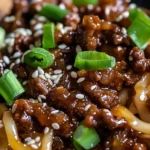
Quick Savory Mongolian Ground Beef Noodles
- Total Time: 25 minutes
- Yield: 4 servings 1x
- Diet: General
Description
This quick and flavorful dish combines savory ground beef with a sweet and tangy Mongolian-inspired sauce, tossed with tender noodles. Perfect for busy weeknights, it’s ready in under 30 minutes and packs a punch of flavor.
Ingredients
- 1 lb lean ground beef
- 4 tsp fresh grated ginger
- 6 cloves garlic, minced
- ½ cup brown sugar
- ½ cup low-sodium beef broth
- ½ cup low-sodium soy sauce
- ¼ cup hoisin sauce
- ½ tsp black pepper
- ¼ tsp red pepper flakes (optional)
- 8 oz linguine or fettuccine noodles
- 2 tbsp cornstarch
- ¼ cup water
- 4 green onions, sliced
Instructions
- Cook the ground beef: Heat a skillet over medium-high heat. Add the ground beef and cook until browned, about 5 minutes. Add the ginger and garlic during the last 2 minutes of cooking.
- Prepare the noodles: While the beef cooks, boil the noodles according to the package instructions until al dente. Drain and set aside.
- Make the sauce: Drain any excess fat from the beef. Stir in the brown sugar, beef broth, soy sauce, hoisin sauce, black pepper, and red pepper flakes (if using). Mix well to combine.
- Thicken the sauce: In a small bowl, whisk together the cornstarch and water to create a slurry. Pour the slurry into the beef mixture, stirring constantly. Bring the mixture to a simmer and cook until thickened, about 2-3 minutes.
- Combine noodles and beef: Add the cooked noodles to the skillet and toss them in the sauce to coat evenly. Let the noodles sit for 2-3 minutes to absorb the flavors.
- Garnish and serve: Serve hot, garnished with sliced green onions.
Notes
For added crunch, top with toasted sesame seeds or chopped peanuts. Substitute spaghetti or rice noodles if preferred. Store leftovers in an airtight container in the refrigerator for up to 3 days.
- Prep Time: 10 minutes
- Cook Time: 15 minutes
- Category: Dinner
- Method: Stovetop
- Cuisine: Asian
Nutrition
- Serving Size: 1 serving
- Calories: 560 kcal
- Sugar: 26 g
- Sodium: 1180 mg
- Fat: 14 g
- Saturated Fat: 5 g
- Unsaturated Fat: 9 g
- Trans Fat: 0 g
- Carbohydrates: 65 g
- Fiber: 3 g
- Protein: 34 g
- Cholesterol: 82 mg