
This lemon pepper chicken is a fast and flavorful meal perfect for busy weeknights. It features golden-seared breasts topped with a rich garlic butter sauce.

List of ingredients
- 2 large chicken breasts (about 1 ½ pounds) – sliced horizontally for faster cooking.
- 1 tablespoon arrowroot powder (or flour of choice) – creates a light, golden crust.
- 1 tablespoon lemon pepper seasoning – provides the primary tangy and peppery flavor.
- ½ teaspoon kosher salt – enhances the overall seasoning of the meat.
- 2 tablespoons extra virgin olive oil – used for searing the chicken in the pan.
- 2 tablespoons unsalted butter – the base for the rich garlic sauce.
- 2 garlic cloves (minced) – adds a pungent, savory aroma to the butter.
- 3 tablespoons lemon juice (from 1 lemon) – gives the sauce its bright acidity.
- ¼ cup low-sodium chicken broth – helps emulsify and thin the sauce.
- 1 teaspoon lemon zest – adds an intense citrus fragrance to the finish.
- Freshly chopped parsley and lemon slices – optional for a professional garnish.
step-by-step instructions
- Cut the chicken: Slice the chicken breasts in half horizontally to create thinner cutlets. This ensures they cook evenly and quickly.
- Mix the seasoning: In a small mixing bowl, stir together the flour, lemon pepper seasoning, and salt. Ensure the mixture is well combined to avoid salt pockets.
- Season the chicken: Sprinkle the seasoning evenly over both sides of the chicken. Press it in firmly with your hands to ensure it adheres to the meat.
- Cook the chicken: Heat the oil in a large pan over medium-high heat. Sear the chicken for 3 to 4 minutes on one side, then flip and cook another 3 to 4 minutes until the internal temperature reaches 160 to 165°F. Remove the chicken to a plate.
- Make the sauce: Add the butter to the same pan and saute the minced garlic for about 30 seconds. Pour in the chicken broth and lemon juice, then reduce the sauce for one to two minutes until slightly thickened.
- Finish and serve: Add the chicken back to the pan and spoon the sauce over the meat. Garnish with lemon zest, chopped parsley, and lemon slices before serving.
Expert Cooking Tips for Best Results
Selecting the Right Chicken Breasts
Choose chicken breasts that are similar in size to ensure they cook at the same rate. If you have very thick breasts, slicing them horizontally is essential to prevent the outside from overcooking before the center is done.
Properly Slicing for Even Cooking
Use a sharp chef’s knife to slice the breasts parallel to the cutting board. If the thickness varies, you can lightly pound the thicker ends with a meat mallet for a uniform shape.
The Importance of Patting Chicken Dry
Before applying the seasoning, pat the chicken dry with paper towels. Removing surface moisture allows the flour and seasoning to stick better and helps the meat sear rather than steam.
Managing Pan Heat to Avoid Burning
Keep the heat at medium-high to get a golden crust. If the pan begins to smoke, lower the heat slightly to prevent the butter and garlic from burning during the sauce stage.
Using an Instant-Read Thermometer
Always use a digital thermometer to check for doneness. Pulling the chicken at 160°F allows the temperature to rise to the safe 165°F mark during resting without drying out the meat.
Preventing Seasoning Clumps
Whisk the arrowroot powder and spices thoroughly in a small bowl first. This prevents large clumps of flour from sticking to the chicken, resulting in a smoother crust.
Ingredient Substitutions
Gluten-Free Flour Alternatives
Arrowroot powder and cornstarch are excellent gluten-free options that produce a crispier exterior. Tapioca flour also works well as a thickener and coating agent for this recipe.
Substituting Unsalted Butter
If you prefer not to use butter, you can use an equal amount of ghee or a plant-based butter substitute. Ghee offers a higher smoke point, which is beneficial for sautéing the garlic.
Using Different Types of Broth
Low-sodium chicken broth is ideal, but vegetable broth can be used for a lighter taste. Ensure the broth is unsalted or low-salt to avoid making the final sauce too salty.
Adjusting the Garlic Profile
Fresh garlic provides the best flavor, but if you are short on time, use 1/2 teaspoon of garlic powder. Add the powder to the flour mix instead of sautéing it in the butter.
Managing Salt Levels
Check your lemon pepper seasoning label, as many brands already contain salt. If your seasoning is very salty, reduce or omit the additional kosher salt from the flour mixture.
Serving and Pairing Ideas
Pairing with Roasted Root Vegetables
Roasted carrots or parsnips complement the acidity of the lemon sauce. Toss them in olive oil and salt, then roast at 400°F until tender and caramelized.
Serving Over Low-Carb Zucchini Noodles
Sauté zucchini noodles briefly in a pan with a touch of olive oil. Place the chicken on top so the garlic butter sauce soaks into the noodles.
Complementary Grains and Starches
Creamy mashed potatoes or garlic herb roasted potatoes are classic pairings. These starches absorb the lemon butter sauce, making the meal more filling.
Fresh Green Side Dish Options
Roasted asparagus or sautéed green beans provide a crisp contrast to the rich sauce. Lightly season them with salt and pepper to let the chicken’s lemon flavor shine.
Adding a Fresh Salad Component
A simple arugula salad with a light vinaigrette balances the buttery notes of the dish. The peppery taste of arugula pairs exceptionally well with lemon and garlic.
Storage and Preservation
Optimal Refrigeration Practices
Store the leftover chicken and sauce in an airtight glass container. Keep it in the refrigerator for 3 to 4 days to maintain freshness and food safety.
Freezing the Finished Dish
You can freeze this meal in a freezer-safe container for up to 3 months. Ensure the sauce completely covers the chicken to prevent freezer burn during storage.
Thawing Leftovers Safely
Thaw frozen chicken in the refrigerator overnight before reheating. Avoid thawing on the counter to prevent bacteria growth in the meat.
Maintaining Sauce Texture During Storage
The sauce may thicken or separate slightly in the fridge. When reheating, add a teaspoon of water or broth to restore the original consistency.
Reheating Strategies
Best Microwave Reheating Methods
Place the chicken and sauce in a microwave-safe dish and cover it with a damp paper towel. Heat in short 30-second intervals, stirring the sauce gently between bursts.
Stovetop Reheating for Better Texture
Place the chicken and sauce in a small skillet over low heat. Add a splash of chicken broth and cover with a lid to steam the meat back to tenderness.
Oven Reheating for Larger Portions
Place leftovers in an oven-safe dish and cover tightly with foil. Heat at 325°F for about 10-15 minutes until the chicken is warmed through.
Preventing Overcooking During Reheat
Avoid reheating the chicken on high heat, which can make it rubbery. Use low and slow heat to ensure the moisture remains inside the chicken breasts.
Troubleshooting Common Issues
Fixing a Sauce That is Too Thin
If the sauce is too watery, let it simmer for an additional minute without the chicken. The reduction process will concentrate the flavors and thicken the consistency.
Handling Seasoning That Browns Too Quickly
If the flour coating burns, lower your pan temperature immediately. Ensure you are using a medium-high heat rather than high heat to keep the seasoning golden.
Correcting Overly Tart Flavors
If the lemon juice makes the sauce too tart, stir in a small pinch of sugar or honey. This balances the acidity without altering the overall flavor profile.
Avoiding Rubbery Chicken Texture
Rubberiness usually occurs from overcooking the meat. Use a meat thermometer to ensure you remove the chicken from the pan exactly when it hits 160-165°F.
Make-Ahead Advice
Preparing the Seasoning Mix
You can mix the flour, lemon pepper, and salt in a jar days in advance. Store the mixture in a cool, dry place and simply scoop out what you need.
Pre-Slicing the Meat
Slice the chicken breasts and store them in the fridge for up to 24 hours. This saves time during the actual cooking process on busy weeknights.
Storing the Sauce Separately
If prepping for a meal later in the day, mix the broth and lemon juice in a small container. Keep the minced garlic separate until the moment you are ready to sauté.
Marinating the Chicken
While this recipe uses a dry rub, you can lightly brush the meat with olive oil first. This helps the flour and seasoning bond more tightly to the surface of the meat.
Frequently Asked Questions
Can I use chicken thighs instead?
Yes, you can use boneless, skinless chicken thighs. They are more forgiving and stay juicy longer, though they may require an extra minute of cooking time.
Should I brine the chicken first?
Brining is not necessary for this 15-minute recipe, but it can add extra moisture. If you choose to brine, ensure the meat is patted completely dry before seasoning.
Can I make this in an air fryer?
You can air fry the seasoned chicken at 375°F for about 10-12 minutes. However, you will still need to prepare the garlic butter sauce separately in a pan.
How do I make the sauce creamier?
Stir in a tablespoon of heavy cream or a dollop of Greek yogurt at the very end. Remove the pan from the heat before adding dairy to prevent curdling.
Can I use dried parsley instead of fresh?
Dried parsley can be used, but it lacks the brightness of fresh herbs. Use about one-third of the amount of dried parsley compared to the fresh version.
Print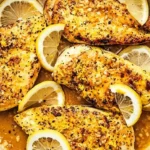
Quick Lemon Pepper Chicken with Garlic Butter Sauce
- Total Time: 15 minutes
- Yield: 4 servings 1x
- Diet: Gluten-free option
Description
This lemon pepper chicken dinner is perfect for busy weeknights. It’s bright and tangy with a golden crust and topped with the best lemony garlic butter sauce.
Ingredients
- 2 large chicken breasts (about 1 ½ pounds)
- 1 tablespoon arrowroot powder (or flour of choice)
- 1 tablespoon lemon pepper seasoning
- ½ teaspoon kosher salt
- 2 tablespoons extra virgin olive oil
- 2 tablespoons unsalted butter
- 2 garlic cloves (minced)
- 3 tablespoons lemon juice (from 1 lemon)
- ¼ cup low-sodium chicken broth
- 1 teaspoon lemon zest
- optional: freshly chopped parsley and lemon slices for garnish
Instructions
- Cut the chicken: Slice the chicken breasts in half horizontally.
- Mix the seasoning: In a small mixing bowl, stir together the flour, lemon pepper seasoning, and salt.
- Season the chicken: Sprinkle the seasoning evenly over both sides of the chicken, pressing it in with your hands.
- Cook the chicken: Heat the oil in a large pan over medium-high heat. Add the chicken and sear for 3 to 4 minutes on one side, then flip over and cook another 3 to 4 minutes (until an instant-read thermometer reaches 160 to 165°F). Remove to a plate.
- Make the sauce: Add the butter to the pan, and saute the garlic in the butter for about 30 seconds. Add the chicken broth and lemon juice, and reduce the sauce for a minute or two.
- Finish and serve: Add the chicken back to the pan, and spoon the sauce on top. Garnish with lemon zest, and if you’d like, chopped parsley and lemon slices.
Notes
Store in an airtight container in the fridge for 3 to 4 days. Freeze for up to 3 months in a freezer-safe container. For gluten-free options, use arrowroot powder, tapioca flour, or cornstarch.
- Prep Time: 5 minutes
- Cook Time: 10 minutes
- Category: Dinner
- Method: Pan-searing
- Cuisine: American
Nutrition
- Serving Size: 1 serving
- Calories: 259 kcal
- Sugar: 0.4 g
- Sodium: 428 mg
- Fat: 16 g
- Saturated Fat: 5 g
- Unsaturated Fat: 8 g
- Trans Fat: 0.2 g
- Carbohydrates: 4 g
- Fiber: 1 g
- Protein: 25 g
- Cholesterol: 87 mg