
This efficient Korean-style ground beef bowl is designed for rapid weeknight preparation. It combines a savory soy and ginger glaze with tender beef for a balanced, nutrient-dense meal.

List of ingredients
- 1 pound ground beef (80/20 preferred) – provides optimal juiciness and flavor.
- 1 tablespoon fresh grated ginger (about 6 grams) – adds a bright, zesty punch.
- 1/4 cup soy sauce (60 ml), regular or low-sodium – provides the primary salty base.
- 2 tablespoons brown sugar (25 grams), light or dark – balances the salt with sweetness.
- 3 cloves garlic, minced (about 1 tablespoon) – adds aromatic depth.
- 1 teaspoon sesame oil (5 ml) – adds a toasted, nutty finish.
- 2 green onions, thinly sliced (about 20 grams) – used for a fresh garnish.
- 4 cups cooked rice (white, brown, or jasmine; about 600 grams) – serves as the hearty base.
- 1/4 teaspoon red pepper flakes (optional, about 0.5 grams) – adds a subtle heat.
step-by-step instructions
- Prepare Components: Grate the fresh ginger, mince the garlic, slice the green onions, and measure out the soy sauce and brown sugar to ensure a smooth cooking process.
- Brown the Beef: Heat a large skillet over medium-high heat. Add the ground beef and break it apart with a spatula, cooking for 6–7 minutes until browned and no pink remains.
- Sauté Aromatics: Push the beef to one side of the pan. Add a splash of oil if needed, then add the minced garlic and grated ginger, cooking for about 1 minute until fragrant while stirring constantly.
- Glaze the Meat: Pour in the soy sauce and sprinkle the brown sugar over the beef. Stir well to coat all the meat and let it simmer for about 1 minute to allow the flavors to meld.
- Final Seasoning: Remove the skillet from heat and stir in the sesame oil. Add red pepper flakes if you prefer a spicier flavor profile.
- Assemble and Serve: Scoop the beef mixture over warm cooked rice and garnish with sliced green onions before serving.
Pro Cooking Techniques for Better Results
Maximize the Maillard Reaction
Allow the ground beef to sit undisturbed for a few minutes before breaking it up. This creates a deep brown sear on the meat, which adds complex savory notes to the final dish. Avoid overcrowding the pan to ensure the meat browns rather than steams.
Prioritize Fresh Ginger Root
Always use a fresh ginger root instead of powdered or jarred versions. Fresh ginger contains volatile oils that provide a sharp, clean zing that is essential for this specific flavor profile. Use a microplane or fine grater to ensure the ginger blends seamlessly into the sauce.
Control the Heat for Aromatics
Add the garlic and ginger only after the beef is browned and push the meat aside. These ingredients burn quickly at high temperatures, which can introduce a bitter taste. Sauté them just until they become fragrant, typically about 60 seconds.
Preserve Sesame Oil Fragrance
Stir the sesame oil into the pan after you have removed it from the heat source. High heat can destroy the delicate toasted aroma of the oil and potentially make it taste acrid. This ensures the nutty finish remains prominent in every bite.
Balance the Salt and Sweetness
Taste the sauce just before serving to check the balance of flavors. If the soy sauce makes it too salty, add a small pinch of additional brown sugar. If it feels too sweet, a teaspoon of rice vinegar or a squeeze of lime juice can provide necessary acidity to cut through the sugar.
Protein and Ingredient Substitutions
Using Leaner Meat Alternatives
Ground turkey or ground chicken can be substituted for beef for a lower-fat option. Because these meats are leaner, they may dry out faster during the browning phase. Add a tablespoon of water or beef broth to the pan if the mixture appears too dry.
Introducing Gochujang for Depth
For a more authentic and spicy Korean flavor, stir in one tablespoon of gochujang (Korean chili paste). This adds a fermented, smoky heat that complements the ginger and soy. Reduce the amount of brown sugar slightly when using this paste, as gochujang contains its own sweetness.
Gluten-Free Soy Alternatives
Replace standard soy sauce with tamari or coconut aminos to make the dish gluten-free. Tamari offers a flavor very close to traditional soy sauce, while coconut aminos are slightly sweeter and lower in sodium. Adjust the brown sugar quantity accordingly when using coconut aminos.
Paleo-Friendly Sweeteners
Swap brown sugar for coconut sugar or raw honey to adhere to paleo dietary guidelines. Coconut sugar provides a similar caramel-like depth to brown sugar. If using honey, stir it in at the very end to prevent it from burning on the skillet.
Ways to Increase Nutritional Value
Adding Fiber with Shredded Carrots
Stir in a handful of shredded carrots during the final simmering stage of the sauce. The carrots add a natural sweetness and a vibrant orange color. They cook quickly in the residual heat of the beef, maintaining a slight crunch.
Incorporating Fresh Leafy Greens
Fold in fresh spinach or chopped kale just before removing the pan from the heat. The heat from the beef is sufficient to wilt the greens without overcooking them. This adds essential vitamins and minerals to the meal without altering the core flavor.
Adding Frozen Peas for Texture
Add a half cup of frozen peas during the last two minutes of cooking. The peas provide a pop of brightness and a slight sweetness that contrasts well with the savory beef. Since they are small, they thaw and heat through rapidly in the sauce.
Serving with Steamed Broccoli
Pair the beef bowls with a side of steamed or roasted broccoli florets. Broccoli absorbs the excess ginger soy sauce effectively, making it a functional and healthy addition. Steam the broccoli for 4-5 minutes for a tender-crisp texture.
Rice and Grain Selection Guide
Using Jasmine Rice for Aroma
Jasmine rice is a preferred choice due to its slightly floral aroma and sticky texture. This helps the beef and sauce cling to the grains more effectively. Rinse the rice thoroughly under cold water to remove excess starch for fluffy results.
Choosing Brown Rice for Health
Brown rice provides more fiber and a nuttier flavor than white rice. Because brown rice takes longer to cook, prepare it in advance or use a pressure cooker. Its heartier texture stands up well to the rich, heavy sauce of the beef.
Substituting Cauliflower Rice for Low Carb
For a low-carbohydrate or ketogenic alternative, use sautéed cauliflower rice. Sauté the cauliflower rice in a separate pan with a small amount of oil until tender. This reduces the calorie count significantly while maintaining the bowl format.
Preparing Grains for Meal Prep
Cook a large batch of rice at the start of the week to save time. Store the rice in an airtight container in the refrigerator for up to four days. When reheating, add a teaspoon of water per cup of rice and microwave to restore moisture.
Storage and Reheating Instructions
Optimal Fridge Storage
Place leftovers in an airtight glass or plastic container and refrigerate immediately after cooling. The cooked beef and sauce can be stored for up to four days. Keep the rice in a separate container if you plan to store the meal for more than two days to prevent the rice from becoming soggy.
Stovetop Reheating Method
Reheating on the stovetop is the best way to maintain the texture of the beef. Place the beef in a small skillet over low heat and add a splash of water or beef broth. Stir continuously until the sauce becomes glossy and the meat is heated through.
Microwave Reheating Technique
If using a microwave, heat the beef and rice in 30-second intervals. Stir the mixture between each interval to ensure even heat distribution and avoid cold spots. Adding a damp paper towel over the bowl helps steam the rice and prevents it from drying out.
Avoiding the Freezer
Freezing this specific recipe is not recommended. The soy and sugar-based sauce can separate or become watery upon thawing. Additionally, the texture of the cooked rice often becomes grainy and unpleasant after a freeze-thaw cycle.
Troubleshooting Common Cooking Issues
Fixing a Watery Sauce
If the sauce is too thin, it usually means the beef was not browned enough or too much liquid was added. Increase the heat to medium-high and simmer the mixture for an additional two minutes to reduce the liquid. This concentrates the flavors and thickens the glaze.
Preventing Bitter Aftertastes
Bitterness often occurs when garlic or ginger is scorched. If you notice the aromatics turning dark brown or black, remove the pan from the heat immediately. In future attempts, ensure you stir the aromatics constantly and keep the heat moderate.
Thinning Out a Thick Sauce
If the sauce becomes too sticky or thick, use a tablespoon of reserved rice cooking water. The starch in the rice water helps emulsify the sauce, making it smooth and glossy. Add the water one teaspoon at a time until the desired consistency is reached.
Correcting Over-Salted Beef
If the dish is too salty, do not add more water as it will dilute the flavor. Instead, add a small amount of brown sugar or a squeeze of fresh lime juice. The sweetness and acidity neutralize the perception of salt on the palate.
Frequently Asked Questions
Can I make this Korean ground beef bowl without soy sauce?
Yes, you can use coconut aminos as a direct replacement for soy sauce. Coconut aminos provide a similar salty, umami flavor but are soy-free and slightly sweeter. You may need to reduce the brown sugar slightly when using this substitute.
Is it possible to freeze the cooked beef?
While not ideal for the sauce, the beef can be frozen for up to two months. Store it in a vacuum-sealed bag to prevent freezer burn. Thaw it completely in the refrigerator before reheating on the stovetop with a small amount of water.
How do I scale this for more people?
The recipe scales linearly, so you can double or triple the ingredients. Use a larger skillet or cook the beef in batches to avoid steaming the meat. Maintain the same ratios for the soy sauce, sugar, and aromatics to keep the flavor balance.
Can I use a different oil instead of sesame oil?
You can use a neutral oil like avocado or canola oil, but you will lose the characteristic nutty aroma. To compensate, you could add a small amount of toasted sesame seeds as a garnish. However, sesame oil is highly recommended for the authentic taste.
What other garnishes work well?
Beyond green onions, toasted sesame seeds, shredded carrots, or thinly sliced radishes add great texture. A drizzle of sriracha or a dollop of kimchi on the side can provide additional heat and acidity to complement the rich beef.
Print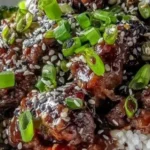
Quick Korean Ground Beef Bowl with Ginger Soy Glaze
- Total Time: 20 minutes
- Yield: 6 servings 1x
- Diet: Dairy-Free
Description
A quick and flavorful Korean ground beef bowl with a savory ginger soy sauce, perfect for fast weeknight dinners. Ready in about 20 minutes, this recipe balances savory, sweet, and zingy flavors.
Ingredients
- 1 pound ground beef (80/20 preferred)
- 1 tablespoon fresh grated ginger
- 1/4 cup soy sauce
- 2 tablespoons brown sugar
- 3 cloves garlic, minced
- 1 teaspoon sesame oil
- 2 green onions, thinly sliced
- 4 cups cooked rice
- 1/4 teaspoon red pepper flakes (optional)
Instructions
- Step: Prep your ingredients first: grate the fresh ginger, mince the garlic, slice the green onions, and measure out the soy sauce and brown sugar.
- Step: Heat a large skillet over medium-high heat. Add the ground beef and break it apart with a spatula. Cook for 6–7 minutes until browned and no pink remains.
- Step: Push the beef to one side of the pan. Add a splash of oil if needed, then add the minced garlic and grated ginger. Cook for about 1 minute until fragrant, stirring constantly.
- Step: Pour in the soy sauce and sprinkle the brown sugar over the beef. Stir well to coat all the meat and let it simmer for about 1 minute to meld flavors.
- Step: Remove the skillet from heat and stir in the sesame oil. Add red pepper flakes if desired for heat.
- Step: Serve the beef mixture over warm cooked rice and garnish with sliced green onions.
Notes
Use 80/20 ground beef for best flavor; leaner beef may need a splash of water. Do not skip browning the beef. Use fresh grated ginger rather than jarred. Add sesame oil off the heat to avoid bitterness. If sauce is too thick, add a tablespoon of reserved rice cooking water. For gluten-free, substitute soy sauce with tamari. For paleo, replace brown sugar with coconut sugar or honey.
- Prep Time: 10 minutes
- Cook Time: 10 minutes
- Category: Main Course
- Method: Stovetop
- Cuisine: Korean
Nutrition
- Serving Size: 1 bowl
- Calories: 320 kcal
- Sugar: 6 g
- Sodium: 700 mg
- Fat: 15 g
- Saturated Fat: 5 g
- Unsaturated Fat: 10 g
- Trans Fat: 0 g
- Carbohydrates: 20 g
- Fiber: 1.5 g
- Protein: 25 g
- Cholesterol: 80 mg