
This Korean BBQ chicken is a fast, one-pot meal that comes together in about 20 minutes. It features tender chicken bites coated in a savory, slightly sweet glaze with mild heat.

List of ingredients
- 1/3 cup chicken stock – use low-sodium and fat-free options.
- 1 Tablespoon cornstarch – used as a thickening agent for the sauce.
- 2 Tablespoons sesame oil – provides a toasted, nutty base for searing.
- 1 pound boneless skinless chicken breast – cut into 2-inch cubes.
- 1 teaspoon salt – for basic seasoning.
- 1 teaspoon black pepper – for a mild spicy kick.
- 1/3 cup soy sauce – low-sodium variety is recommended.
- 2 Tablespoons ketchup – adds sweetness and body to the glaze.
- 1 teaspoon paprika – adds color and a mild earthy flavor.
- 1/2 teaspoon ground cumin – adds a subtle warm note.
- 1/2 teaspoon garlic powder – provides consistent garlic flavor.
- 1/2 teaspoon ginger powder – adds a traditional zesty Asian profile.
- Sesame seeds – optional for garnish.
step-by-step instructions
- Prepare slurry: In a small mixing bowl, whisk together 1/3 cup chicken stock and 1 Tablespoon cornstarch until the mixture is completely smooth. Set this aside for later use.
- Heat oil: Place a large skillet over medium heat and add 2 Tablespoons of sesame oil.
- Season chicken: Pat the 1 pound of cubed chicken breast dry with paper towels to ensure a better sear. Season the pieces evenly with 1 teaspoon salt and 1 teaspoon black pepper.
- Sear meat: Once the oil is hot, add the chicken to the pan. Sear the pieces to brown them on all sides for approximately 4 minutes.
- Add aromatics: Stir in 1/3 cup soy sauce, 2 Tablespoons ketchup, 1 teaspoon paprika, 1/2 teaspoon ground cumin, 1/2 teaspoon garlic powder, and 1/2 teaspoon ginger powder.
- Simmer: Let the chicken and sauce simmer for 3 minutes, stirring occasionally to ensure the flavors blend well.
- Thicken sauce: Pour the previously prepared chicken stock and cornstarch mixture over the chicken and stir to combine.
- Final cook: Continue cooking for another 5 to 7 minutes. Cook until the chicken is fully cooked through and the sauce has reached a thickened consistency. Taste and adjust seasonings if necessary.
- Serve: Plate the chicken over rice, cauliflower rice, or spaghetti squash. Sprinkle with sesame seeds as an optional garnish.
Optimal Searing Techniques
Patting Meat Dry
Moisture on the surface of the chicken creates steam when it hits the pan, which prevents browning. Using paper towels to dry the cubed chicken ensures the meat sears quickly and develops a rich golden crust. This process improves the overall texture of the final dish.
Uniform Cutting
Cutting the chicken into consistent 2-inch cubes ensures that every piece cooks at the same rate. If some pieces are significantly smaller than others, they will overcook and become dry before the larger pieces are safe to eat. Use a sharp knife to maintain clean, equal edges.
Controlling Pan Temperature
The sesame oil should be shimmering but not smoking before the chicken is added. If the oil is too cold, the chicken will boil in its own juices rather than sear. If it is too hot, the garlic and ginger powders in the later steps may burn and turn bitter.
Ingredient Substitutions
Using Chicken Thighs
Boneless, skinless chicken thighs can be used instead of breasts for a juicier result. Thighs have a higher fat content and are more forgiving during the simmering process. Note that thighs may require a few extra minutes of cooking time to reach the safe internal temperature.
Low-Sugar Ketchup Options
For those following a keto or low-carb diet, replace standard ketchup with a sugar-free alternative. Sugar-free ketchups typically provide the same acidity and thickness without the added glucose. This modification keeps the flavor profile intact while reducing the calorie count.
Alternative Protein Choices
This flavor profile works well with other proteins such as shrimp or salmon. When using shrimp, reduce the searing time to 1-2 minutes per side to avoid toughness. For salmon, use larger cubes to prevent the fish from breaking apart during the stirring process.
Soy Sauce Alternatives
If you need a soy-free option, coconut aminos can be used as a direct replacement. Coconut aminos provide a similar salty and sweet profile but with lower sodium levels. The ratio remains 1:1 with the original soy sauce measurement.
Cooking Tool Recommendations
The Best Skillet Choice
A heavy-bottomed stainless steel or cast iron skillet is ideal for this recipe. These materials distribute heat evenly and provide the best surface for searing the meat. Non-stick pans work as well but may not produce as deep a brown crust on the chicken.
Using a Meat Thermometer
To ensure the chicken is safe and juicy, use an instant-read digital thermometer. The chicken is fully cooked when it reaches an internal temperature of 165°F. This prevents the common mistake of overcooking breast meat, which leads to a rubbery texture.
Measuring Accuracy
Using standard measuring spoons and cups ensures the balance of spices is correct. Since cumin and ginger powder are potent, using too much can overpower the dish. Precision in these measurements maintains the authentic Korean BBQ flavor profile.
Serving and Pairing Ideas
Grain-Based Bases
White jasmine rice or short-grain sushi rice are traditional choices that absorb the thickened sauce well. Brown rice offers a nuttier flavor and more fiber. Quinoa is another excellent alternative for those seeking a protein-rich base.
Low-Carb Vegetable Bases
Cauliflower rice is a practical substitute for those avoiding grains. Spaghetti squash provides a unique texture that holds onto the glaze. Sautéed cabbage or steamed bok choy also pair well with the savory notes of the sauce.
Vegetable Side Dishes
Roasted broccoli with garlic or steamed green beans provide a fresh contrast to the rich BBQ sauce. A side of kimchi adds a traditional fermented tang and probiotic benefits. Sliced cucumbers marinated in rice vinegar also offer a refreshing palate cleanser.
Garnish Enhancements
Toasted sesame seeds add a subtle crunch and visual appeal. Freshly chopped cilantro or sliced green onions provide a bright, herbaceous finish. A squeeze of fresh lime juice right before serving can cut through the richness of the sesame oil.
Storage and Preservation
Refrigeration Guidelines
Store leftover chicken in an airtight container in the refrigerator for up to 4 days. Ensure the chicken is cooled slightly before sealing the container to prevent excessive condensation. The sauce will naturally thicken further as it cools.
Freezing the Prepared Meal
Cooked Korean BBQ chicken can be frozen for up to 3 months in freezer-safe bags or containers. To maintain quality, freeze the chicken and sauce together. Thaw the meal overnight in the refrigerator before reheating.
Make-Ahead Sauce Prep
You can prepare the sauce components (soy sauce, ketchup, and spices) in advance and store them in a jar. Keep the cornstarch slurry separate until the moment of cooking. This reduces the active prep time on the day of the meal.
Reheating Methods
Stovetop Reheating
For the best results, reheat the chicken in a skillet over medium-low heat. Add a splash of water or chicken stock to loosen the sauce. Stir gently until the chicken is heated through to avoid breaking the meat cubes.
Microwave Instructions
Place the leftovers in a microwave-safe dish and cover with a damp paper towel to retain moisture. Heat in 30-second intervals, stirring in between. This prevents the chicken from becoming tough or dry during the heating process.
Troubleshooting Common Issues
Sauce is Too Thin
If the sauce has not thickened enough after the final cooking step, simmer it for another 2-3 minutes. Alternatively, whisk a small amount of additional cornstarch with water and stir it into the boiling sauce. Continue to cook until the desired consistency is reached.
Sauce is Too Thick
If the sauce becomes too gummy or thick, stir in a tablespoon of chicken stock or water. Do this over low heat while stirring constantly. This will thin the glaze without diluting the flavor too significantly.
Chicken is Too Dry
Dry chicken usually results from overcooking or using high heat for too long. To fix this, reduce the simmering time and rely on the thermometer. If the meat is already dry, adding extra sauce or a small pat of butter can improve the mouthfeel.
Frequently Asked Questions
Is this recipe very spicy?
As written, this recipe is mild and suitable for most palates. To increase the heat, you can add red pepper flakes, sriracha, or Gochujang during the simmering stage. Adjust the amount gradually to reach your preferred spice level.
Can I grill the chicken instead of sautéing?
Yes, you can grill the chicken by using the soy sauce, ketchup, and spices as a marinade. Marinate the cubed chicken for at least 2 hours or overnight before threading them onto skewers. Grill over medium-high heat until the internal temperature reaches 165°F.
What is the purpose of the cornstarch slurry?
The cornstarch slurry acts as a thickener that gives the sauce a glossy, professional finish. It allows the sauce to cling to the chicken cubes rather than pooling at the bottom of the plate. Without it, the sauce would remain a thin liquid.
Can I use fresh ginger and garlic?
Fresh ginger and garlic can be used to replace the powders for a more pungent flavor. Use 1 teaspoon of freshly minced garlic and 1 teaspoon of freshly grated ginger. Add these to the pan during the last minute of searing the chicken before adding the liquid ingredients.
Print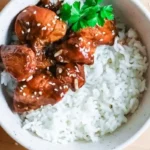
Quick Korean BBQ Chicken
- Total Time: 20 minutes
- Yield: 4 servings 1x
- Diet: General
Description
Korean BBQ Chicken is an easy and quick sauté recipe. Made in less than 30 minutes, a one-pot delicious chicken meal.
Ingredients
- ⅓ cup chicken stock
- 1 Tablespoon cornstarch
- 2 Tablespoons sesame oil
- 1 pound boneless skinless 2-inch cubed chicken breast
- 1 teaspoon salt
- 1 teaspoon black pepper
- ⅓ cup soy sauce
- 2 Tablespoons ketchup
- 1 teaspoon paprika
- ½ teaspoon ground cumin
- ½ teaspoon garlic powder
- ½ teaspoon ginger powder
- sesame seeds, optional garnish
Instructions
- Step 1: In a small mixing bowl, whisk together ⅓ cup chicken stock and 1 Tablespoon cornstarch until smooth. Set aside.
- Step 2: In a large skillet over medium heat, add 2 Tablespoons sesame oil.
- Step 3: Pat 1 pound boneless skinless 2-inch cubed chicken breast dry using a paper towel. Season the chicken with 1 teaspoon salt and 1 teaspoon black pepper.
- Step 4: Once the oil is hot, add the chicken to the pan, and sear the chicken to brown on all sides, about 4 minutes.
- Step 5: To the pan, stir in ⅓ cup soy sauce, 2 Tablespoons ketchup, 1 teaspoon paprika, ½ teaspoon ground cumin, ½ teaspoon garlic powder, ½ teaspoon ginger powder.
- Step 6: Simmer the chicken and sauce, stirring occasionally, for 3 minutes to blend flavors.
- Step 7: Pour the chicken stock mixture over the chicken. Stir to combine.
- Step 8: Continue to cook for another 5-7 minutes, until the chicken is cooked through and the sauce has thickened. Taste for seasoning; if needed, adjust seasoning.
- Step 9: Serve over rice, cauliflower rice, or spaghetti squash. Sprinkle with sesame seeds, optional garnish.
Notes
Use low-sodium soy sauce and low-sodium, fat-free chicken stock. Chicken should reach an internal temperature of 165°F when fully cooked.
- Prep Time: 5 minutes
- Cook Time: 15 minutes
- Category: Main Dish
- Method: Sauté
- Cuisine: Korean
Nutrition
- Serving Size: 1 serving
- Calories: 230 kcal
- Sugar: 2 g
- Sodium: 1309 mg
- Fat: 10 g
- Saturated Fat: 2 g
- Unsaturated Fat: 8 g
- Trans Fat: 0 g
- Carbohydrates: 6 g
- Fiber: 1 g
- Protein: 27 g
- Cholesterol: 73 mg