
This recipe provides a method for preparing tender, slow-roasted beef ribs using a standard oven. By utilizing a low temperature and a tight seal, the meat becomes tender without needing specialized smoking equipment.

List of ingredients
- 2.5-3 lbs. country style beef ribs (chuck or shoulder cuts) – ensure they are well-marbled.
- 3 tbs brown sugar – provides sweetness and helps with caramelization.
- 2 tsp kosher salt – essential for seasoning and moisture retention.
- 1 tsp ground mustard – adds a sharp, tangy depth to the rub.
- 1 tsp smoked paprika – gives a subtle smoky flavor without a grill.
- 1 tsp onion powder – provides a concentrated savory base.
- 1 tsp garlic powder – enhances the overall aromatic profile.
- 1 tsp black pepper – adds a mild heat and classic spice.
- 1/2 tsp cayenne pepper – provides a subtle kick of spice.
- 1/4 cup BBQ sauce – used for the final glazing step.
step-by-step instructions
- Prepare Oven and Pan: Preheat your oven to 325°F. Line a 13″ x 9″ baking dish with aluminum foil to prevent sticking and simplify cleanup.
- Apply Seasoning: Combine all the dry rub ingredients in a bowl. For even coverage, place the beef ribs and the seasoning in a gallon-sized zip-top bag, seal it, and shake well to coat every side of the meat.
- Arrange Ribs: Place the seasoned ribs in the prepared baking dish, ensuring they are spaced apart. Cover the dish tightly with a layer of aluminum foil to trap steam during the roasting process.
- Slow Roast: Place the covered dish on the middle rack of the oven at 325°F. Bake for 2.5 hours until the meat is tender.
- Initial Serving Option: Once the time is up, the ribs can be served immediately. Use the natural pan juices to moisten the meat for added flavor.
- Optional Glaze: To add a caramelized finish, set the oven to broil. Transfer the ribs to a foil-lined baking sheet. Brush each rib liberally with BBQ sauce and place them under the broiler for approximately 5 minutes, or until the sauce bubbles and caramelizes.
Selecting the Optimal Meat Cut
Select Chuck-Cut Ribs for Maximum Tenderness
When purchasing country style ribs, prioritize cuts from the beef chuck or shoulder. These areas contain more connective tissue and collagen than loin cuts, which break down during slow roasting to create a tender texture. Avoid lean cuts that may become dry during a long cook time.
Identify Intramuscular Fat for Juiciness
Look for meat with significant white marbling throughout the muscle. This intramuscular fat renders slowly at 325°F, basting the meat from the inside. Well-marbled beef ensures the final product remains moist even after several hours in the oven.
Trim Excess External Fat Caps
While marbling is beneficial, thick outer layers of hard fat do not always render completely. Trim any excessively thick fat caps from the exterior of the ribs to ensure the seasoning penetrates the meat effectively. Leave a thin layer of fat to protect the meat from drying out.
Optimizing the Dry Rub
Use Brown Sugar for Caramelization
Brown sugar is critical because it contains molasses, which lowers the burning point compared to white sugar. During the broiling phase, the sugar undergoes a chemical reaction that creates a sticky, dark glaze. This adds a complex sweetness that balances the savory beef flavors.
Balance Smoke with Smoked Paprika
Since this recipe uses an oven instead of a smoker, smoked paprika is the primary source of a wood-fired taste. It provides a deep red color and a subtle earthy aroma. Ensure you use “smoked” rather than “sweet” paprika to achieve the desired flavor profile.
Control Heat with Cayenne Pepper
The cayenne pepper in this rub provides a background heat rather than an overwhelming spice. If you prefer a milder dish, you can reduce this to 1/4 tsp or omit it entirely. Conversely, increasing the amount will create a spicier crust that contrasts well with the BBQ sauce.
Utilize Kosher Salt for Even Distribution
Kosher salt is preferred over table salt because its larger grains are easier to distribute evenly across the meat. This prevents the ribs from having overly salty patches. Salt also helps draw moisture to the surface, which allows the other spices to adhere better.
Mastering the Roasting Process
Ensure a Tight Foil Seal to Trap Moisture
The aluminum foil must be sealed tightly around the edges of the baking dish to prevent steam from escaping. This creates a braising environment where the meat cooks in its own juices. If the seal is loose, the moisture evaporates, and the meat may toughen.
Position the Dish on the Center Rack
Placing the dish on the middle rack ensures that the heat is distributed evenly around the meat. If the dish is too close to the bottom element, the bottom of the ribs may overcook. Central placement provides a consistent temperature for the duration of the roast.
Maintain a Constant 325°F Temperature
Cooking at 325°F is essential for the breakdown of collagen into gelatin. If the temperature is too high, the muscle fibers contract too quickly, resulting in tough meat. Keeping the oven at this moderate heat allows the connective tissues to melt without boiling the meat.
Avoid Overcrowding the Baking Dish
Leaving space between the ribs allows heat to circulate more efficiently. If the ribs are packed too tightly, they will steam more than roast, which can affect the texture of the exterior. Spacing them apart ensures a more consistent cook across the entire batch.
Perfecting the Glaze and Finish
Prevent Sauce Burning During Broiling
Because BBQ sauce contains high amounts of sugar, it can burn quickly under a broiler. Keep a close eye on the ribs and remove them the moment the sauce begins to bubble and darken. Broiling usually takes only 3 to 5 minutes depending on your oven’s power.
Select a High-Sugar BBQ Sauce for Better Glaze
For the best results, use a BBQ sauce with a higher sugar content, such as honey or molasses-based varieties. These sauces caramelize more effectively under the broiler. A thinner, vinegar-based sauce will not create the same sticky crust.
Avoid Over-Broiling the Meat
The goal of the broiler step is to caramelize the sauce, not to cook the meat further. The ribs are already tender from the slow roast. Over-broiling can cause the meat to shrink and lose its internal moisture, making the exterior charred and the interior dry.
Use a Foil-Lined Baking Sheet for Broiling
Transferring the ribs to a flat baking sheet for the final step is necessary because the depth of a 13×9 dish may prevent the meat from getting close enough to the broiler element. Lining the sheet with foil ensures a quick cleanup of the dripped BBQ sauce.
Serving and Side Dish Pairings
Use Acidic Sides to Cut Through Richness
Beef ribs are naturally rich and fatty. Pairing them with acidic sides, such as a vinegar-based coleslaw or pickled red onions, helps cleanse the palate. The acidity balances the heavy fats and the sweetness of the BBQ glaze.
Pair with Starchy Sides for Satiety
Because this is a heavy protein dish, starchy sides like macaroni and cheese or mashed potatoes work well. These sides absorb the extra pan juices and provide a comforting contrast to the charred exterior of the ribs.
Include Crunchy Vegetables for Texture
Roasted Brussels sprouts or a crisp garden salad provide a necessary textural contrast to the tender, fall-apart meat. Using an air fryer for the vegetables can maintain a crunch that complements the softness of the slow-roasted beef.
Storage and Reheating Advice
Store in Airtight Containers to Prevent Drying
Place leftover ribs in an airtight container with some of the original pan juices. This prevents the meat from oxidizing and drying out in the refrigerator. Store them for up to 3 to 4 days.
Cool Meat Completely Before Refrigerating
Allow the ribs to reach room temperature before sealing them in a container. Placing hot meat directly into the fridge can cause condensation to build up inside the container, which may make the meat soggy upon reheating.
Reheat with Liquid to Restore Moisture
When reheating, place the ribs in an oven-safe dish and add a tablespoon of beef broth or water. Cover the dish with foil and heat at 300°F until warmed through. This creates a steam environment that restores the meat’s tenderness.
Troubleshooting Common Issues
Fix Tough Meat by Extending Cook Time
If the ribs are not “fall-apart tender” after 2.5 hours, they likely need more time for the collagen to break down. Return them to the oven, covered tightly, for another 30 to 60 minutes. Meat tenderness is a result of time and temperature, not just heat.
Prevent Dryness by Choosing Shoulder Cuts
If the meat feels dry or stringy, it may have been cut from the loin area. Loin meat is too lean for this slow-roasting method. Always ensure the packaging specifies shoulder or chuck cuts to guarantee a juicy result.
Avoid Burnt Sugar by Monitoring the Broiler
If the rub or sauce burns too quickly, it is often due to the broiler being too high or the ribs being too close to the heating element. Adjust your oven rack to a lower position during the broiling phase to allow for a slower, more controlled caramelization.
Frequently Asked Questions
What is the ideal internal temperature for these ribs?
For a tender, pull-apart texture, aim for an internal temperature between 200°F and 205°F. At this temperature, the connective tissues have fully converted to gelatin.
Can I use a different type of sugar in the rub?
You can use maple sugar or coconut sugar as a substitute for brown sugar. However, avoid using granulated white sugar as it doesn’t caramelize as deeply and can burn more easily.
Do I have to use the broiler step?
No, the broiler step is entirely optional. The ribs are fully cooked and delicious after the 2.5-hour roast; the broiler simply adds a visual glaze and a concentrated flavor to the exterior.
Can I make these in a slow cooker instead?
Yes, you can place the seasoned ribs in a slow cooker on low for 6 to 8 hours. However, you will still need to transfer them to the oven or broiler at the end to achieve the caramelized crust.
Print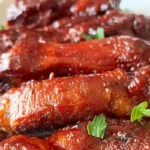
Oven Roasted Beef Country Style Ribs
- Total Time: 3 hours 10 minutes
- Yield: 4 servings 1x
- Diet: General
Description
Mouthwatering, tender and juicy country style beef ribs are seasoned to perfection and roast right in your oven. No special equipment needed.
Ingredients
- 2.5–3lbs. country style beef ribs (shoulder/chuck ribs)
- 3 tbs brown sugar
- 2 tsp kosher salt
- 1 tsp ground mustard
- 1 tsp smoked paprika
- 1 tsp onion powder
- 1 tsp garlic powder
- 1 tsp black pepper
- 1/2 tsp cayenne pepper
- 1/4 cup BBQ sauce
Instructions
- Step: Preheat oven to 325°(F) and line a 13″ x 9″ baking dish with aluminum foil.
- Step: Mix all dry ingredients and apply to the ribs. You can do this in a large, gallon-sized zip-top bag.
- Step: Place the seasoned ribs, spaced apart, in the baking dish and cover tightly with foil.
- Step: Place in the oven at 325°(F) on middle rack for 2.5 hours.
- Step: After 2.5 hours, the country ribs should be fall apart tender. You can serve as is with some of the juices from the pan or continue to the next, optional step.
- Step: Optional: Set oven to “broil”. Remove country ribs from dish to a foil lined baking sheet (so it will fit under the broiler). Brush all the ribs liberally with your favorite BBQ sauce and place under broiler, uncovered, for about 5 minutes or until BBQ sauce starts to caramelize. Remove from oven and they’re ready to serve!
Notes
This recipe has been updated July 2023. The step of brushing the ribs with BBQ sauce and returning to oven for additional 30 minutes has been removed. Instead, follow the optional step 6 for adding BBQ sauce.
- Prep Time: 10 minutes
- Cook Time: 3 hours
- Category: Dinner
- Method: Oven
- Cuisine: American
Nutrition
- Serving Size: 1 serving
- Calories: 480 kcal
- Sugar: 9 g
- Sodium: 620 mg
- Fat: 32 g
- Saturated Fat: 13 g
- Unsaturated Fat: 19 g
- Trans Fat: 0 g
- Carbohydrates: 14 g
- Fiber: 1 g
- Protein: 34 g
- Cholesterol: 115 mg