
This low-carb stir-fry combines savory ground beef with crisp cabbage for a high-protein meal. It is a fast, nutrient-dense dinner option that fits a low-carbohydrate diet while delivering deep umami flavors.

List of ingredients
- 1 lb ground beef – Use 80/20 lean-to-fat ratio for optimal flavor and moisture.
- 1/2 small onion, finely diced – Adds a subtle sweetness and aromatic base.
- 3 cups green cabbage, shredded – Provides bulk and a necessary crunch.
- 3 cloves garlic, minced – Delivers a pungent, savory depth.
- 2 tablespoons soy sauce – Use coconut aminos as a low-sodium or soy-free alternative.
- 1 tablespoon sesame oil – Adds a rich, nutty aroma and toasted flavor.
- 1 tablespoon rice vinegar – Adds acidity to balance the richness of the beef.
- 1 teaspoon ground ginger – Provides a warm, spicy undertone.
- 1/4 teaspoon red pepper flakes (optional) – Used to add a customizable level of heat.
- Salt and black pepper – To taste for basic seasoning.
- 2 green onions, sliced – Used as a fresh garnish for color and sharpness.
- 1 tablespoon toasted sesame seeds (optional) – Adds a slight crunch and visual finish.
step-by-step instructions
- Brown the Beef: Place a large skillet over medium-high heat and add the ground beef. Cook the meat, breaking it apart with a spatula, until it is fully browned and no pink remains.
- Sauté the Onion: Drain any excess grease from the pan if necessary to prevent oiliness. Add the finely diced onion and cook until the pieces become translucent.
- Add Aromatics: Stir in the minced garlic and ground ginger. Cook for about one minute until the fragrance is released, being careful not to burn the garlic.
- Cook the Cabbage: Add the shredded green cabbage to the skillet. Stir frequently and cook until the cabbage is tender but still retains a slight crunch.
- Apply the Sauce: In a separate small bowl, whisk together the soy sauce, sesame oil, rice vinegar, and red pepper flakes. Pour the mixture over the beef and cabbage, stirring until every piece is evenly coated.
- Final Garnish: Remove the skillet from the heat. Sprinkle the sliced green onions and toasted sesame seeds over the top before serving immediately.
Culinary Tips for Optimal Texture
Use a Wide Skillet to Prevent Steaming
Utilizing a wide skillet or a wok is essential for this recipe. A narrow pan crowds the ingredients, causing them to release moisture and steam instead of searing. This prevents the cabbage from becoming mushy and ensures the beef browns properly.
Avoid Overcooking the Cabbage
Cabbage continues to cook even after the heat is turned off due to residual pan heat. Remove the dish from the stove while the cabbage still has a noticeable bite. This preserves the structural integrity and nutritional value of the vegetable.
Maintain High Heat for Meat Searing
Ensure the skillet is hot before adding the beef to trigger the Maillard reaction. This chemical process creates browned, flavorful crusts on the meat. Low heat will cause the beef to grey and boil in its own juices, resulting in a loss of flavor.
Manage Pan Grease Effectively
While beef fat carries flavor, too much grease can make the sauce slide off the ingredients. Drain the excess fat after browning the beef but before adding the onions. This allows the onions to sauté in a controlled amount of oil rather than deep-frying.
Ingredient Substitutions and Alternatives
Replacing Ground Beef with Leaner Proteins
Ground turkey or ground chicken can be used as a leaner alternative. Because these meats have less fat, you may need to add one tablespoon of neutral oil to the pan before browning. The cooking time remains similar, though turkey may require slightly more salt to match the beef’s depth.
Gluten-Free Soy Sauce Options
For those avoiding gluten, tamari is a direct substitute for soy sauce with a similar salt profile. Coconut aminos provide a soy-free and lower-sodium alternative, though they are slightly sweeter. If using coconut aminos, you may want to add a pinch more salt to maintain the savory balance.
Adjusting Heat with Different Chili Sources
If red pepper flakes are too mild, substitute them with Sriracha or chili garlic sauce. For a more complex heat, use gochujang, although this may slightly increase the carb count. Always add spicy elements gradually to ensure the heat does not overpower the ginger and garlic.
Using Different Types of Cabbage
Napa cabbage can be used for a softer texture and milder flavor. Savoy cabbage offers a more robust crunch and a darker green color. When using Napa cabbage, reduce the cooking time by two minutes as it wilts faster than standard green cabbage.
Creative Serving Suggestions
Pairing with Cauliflower Rice
To keep the meal low-carb, serve the beef and cabbage over a bed of steamed cauliflower rice. The neutral flavor of the cauliflower absorbs the savory Mongolian sauce. This increases the volume of the meal without adding significant calories.
Adding Steamed Green Vegetables
Pair this dish with a side of steamed broccoli or snap peas for extra nutrients. The brightness of the green vegetables complements the rich, savory tones of the sesame oil and soy sauce. These additions provide a variety of textures on the plate.
Serving with a Fresh Cucumber Salad
A cold cucumber salad dressed with rice vinegar and sesame seeds acts as a palate cleanser. The coolness of the cucumber contrasts with the heat of the beef and ginger. This side dish adds a refreshing element to the overall meal experience.
Storage and Freshness Guide
Refrigerator Storage Methods
Store leftovers in a glass airtight container to maintain the freshness of the cabbage. The dish will stay safe and flavorful in the refrigerator for up to four days. Ensure the food is cooled to room temperature before sealing the lid to prevent excess condensation.
Freezing and Thawing Instructions
This dish can be frozen for up to three months in a freezer-safe bag. To thaw, move the container to the refrigerator 24 hours before consumption. Note that the cabbage may lose some of its crunch after the freezing and thawing process.
Best Reheating Techniques
For the best results, reheat the meal in a skillet over medium heat. Adding a tablespoon of water or beef broth helps loosen the sauce and prevents the beef from drying out. Avoid over-microwaving, as this can make the cabbage rubbery.
Meal Prep Strategy
Pre-chopping Vegetable Components
Prepare the diced onions, shredded cabbage, and minced garlic in advance. Store them in separate containers or a pre-portioned bag. This reduces the active cooking time to under 15 minutes during busy weeknights.
Batch Cooking for the Week
Double the recipe to create multiple servings for the work week. Ground beef and cabbage hold up well over several days. Dividing the portions into individual containers ensures consistent calorie and macronutrient tracking.
Portioning for Work Lunches
When packing for lunch, keep the garnishes like green onions and sesame seeds in a separate small container. Adding them fresh after reheating prevents the onions from becoming wilted. This preserves the visual appeal and the sharp flavor of the garnish.
Troubleshooting Common Issues
Fixing a Watery Sauce
If the dish becomes too watery, it is likely due to overcrowding the pan or using cabbage with high water content. Increase the heat to medium-high and simmer the mixture without a lid. This allows the excess moisture to evaporate, thickening the sauce.
Balancing Overly Salty Flavors
If the soy sauce makes the dish too salty, add a teaspoon of rice vinegar or a squeeze of fresh lime juice. The acidity cuts through the saltiness and brightens the overall flavor profile. Adding more shredded cabbage can also dilute the salt concentration.
Preventing Garlic from Burning
Garlic burns quickly at high temperatures, which creates a bitter taste. Always add the garlic after the onions have softened. Stir constantly for 60 seconds and immediately add the cabbage to lower the pan temperature and stop the garlic from scorching.
Frequently Asked Questions
Can I use a different type of meat?
Yes, ground turkey or chicken are excellent lean substitutes. You can also use thinly sliced flank steak, though you will need to sear the meat in smaller batches to ensure it browns rather than steams.
Is this dish suitable for meal prep?
Yes, this recipe is ideal for meal prep because the flavors meld together over time. It remains stable in the refrigerator for several days and reheats well in a pan or microwave.
How can I make this dish spicier?
Increase the amount of red pepper flakes or stir in a tablespoon of chili garlic sauce. For an even deeper heat, add a finely diced fresh bird’s eye chili during the onion sautéing step.
Can I add other vegetables to the mix?
Yes, shredded carrots, sliced bell peppers, or mushrooms work well. Add these vegetables at the same time as the cabbage, adjusting the cooking time based on the density of the vegetable.
What can I use instead of sesame oil?
If sesame oil is unavailable, use a neutral oil like avocado or canola oil. To mimic the nutty flavor, you can add a tablespoon of toasted sesame seeds or a small amount of almond butter to the sauce.
Print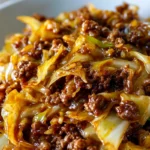
Low Carb Mongolian Ground Beef Cabbage Stir-Fry
- Total Time: 25 minutes
- Yield: 4 servings 1x
- Diet: Low-Carb
Description
A delicious low-carb twist on traditional Mongolian cuisine featuring ground beef and cabbage in a savory sauce.
Ingredients
- 1 lb ground beef
- 1/2 small onion, finely diced
- 3 cups green cabbage, shredded
- 3 cloves garlic, minced
- 2 tablespoons soy sauce
- 1 tablespoon sesame oil
- 1 tablespoon rice vinegar
- 1 teaspoon ground ginger
- 1/4 teaspoon red pepper flakes
- Salt and black pepper to taste
- 2 green onions, sliced
- 1 tablespoon toasted sesame seeds
Instructions
- Step: In a large skillet over medium-high heat, add the ground beef and cook until browned.
- Step: Drain excess fat and add the diced onion; sauté until translucent.
- Step: Stir in minced garlic and ground ginger, cooking until fragrant.
- Step: Add shredded cabbage and cook until tender but still crunchy.
- Step: Mix soy sauce, sesame oil, rice vinegar, and red pepper flakes; pour over the mixture and stir.
- Step: Garnish with green onions and sesame seeds before serving.
Notes
For a gluten-free option, replace soy sauce with coconut aminos or tamari. Use 80/20 ground beef for best flavor.
- Prep Time: 10 minutes
- Cook Time: 15 minutes
- Category: Dinner
- Method: Sauté
- Cuisine: Mongolian
Nutrition
- Serving Size: 1 serving
- Calories: 350 kcal
- Sugar: 3 g
- Sodium: 820 mg
- Fat: 20 g
- Saturated Fat: 7 g
- Unsaturated Fat: 13 g
- Trans Fat: 0 g
- Carbohydrates: 12 g
- Fiber: 4 g
- Protein: 25 g
- Cholesterol: 85 mg