
This efficient cooking method ensures tender, flavorful chicken breasts in under 30 minutes. It is an ideal protein choice for healthy meal prep or a fast weeknight dinner.

List of ingredients
- 4 medium sized chicken breasts (about 2 pounds, or 7-8 ounces each) – ensure they are similar in size for even cooking.
- 1 teaspoon garlic powder – adds a savory, aromatic base.
- 1 teaspoon onion powder – provides a subtle sweetness and depth.
- 1 teaspoon paprika – contributes a rich color and mild earthiness.
- 1 teaspoon dried parsley – adds a hint of freshness and visual appeal.
- 1/2 teaspoon dried mustard – gives a sharp, tangy undertone.
- 1/2 teaspoon chili powder (optional) – use this for a very mild kick of heat.
- 1 1/2 teaspoons kosher salt – adjust to your personal taste preference.
- 1/4 teaspoon black pepper – provides a classic spicy bite.
- 2 tablespoons olive oil or avocado oil – helps the spices stick and keeps the meat moist.
step-by-step instructions
- Prepare the oven: Preheat your oven to 425 degrees Fahrenheit. Lightly grease a large baking dish or a rimmed baking sheet to prevent the chicken from sticking.
- Even out the meat: Use a meat pounder or a rolling pin to flatten the thickest part of each breast. Aim for a consistent thickness throughout to ensure even cooking and prevent the edges from drying out. Alternatively, cut large breasts in half horizontally to create thinner fillets.
- Season the chicken: Place the chicken breasts in a large mixing bowl. Add all the spices and the chosen oil, then toss thoroughly until every piece is evenly coated.
- Bake: Arrange the chicken in the prepared baking dish, making sure the pieces are spaced apart. Bake for 18-20 minutes, or until the internal temperature reaches 165 degrees Fahrenheit on a meat thermometer.
- Rest and serve: Remove the pan from the oven and let the chicken rest for several minutes. Brush any remaining pan juices over the meat before slicing and serving.
Techniques for Maximum Juiciness
The Importance of Even Thickness
Pounding the chicken is the most critical step for avoiding dry meat. When breasts are uneven, the thin end overcooks before the center reaches a safe temperature. Flattening them to roughly 1/2 inch ensures the entire piece finishes at the same time.
Using a Meat Thermometer
Relying on a timer alone can be risky because oven temperatures vary. Use a digital instant-read thermometer to check the thickest part of the breast. Pull the chicken out exactly at 165 degrees Fahrenheit to prevent the fibers from tightening and pushing out moisture.
Allowing the Meat to Rest
Resting the chicken for 5 to 10 minutes allows the internal juices to redistribute. If you slice the meat immediately, the juices will run out onto the cutting board. This short wait preserves the moisture inside the meat for a more tender result.
Optimizing Oven Airflow
Use a rimmed baking sheet instead of a deep casserole dish if you prefer a browned exterior. Baking sheets allow hot air to circulate more freely around the chicken. This promotes faster cooking and better caramelization of the spices.
Alternative Ingredient Options
Switching to Chicken Thighs
You can use boneless, skinless chicken thighs if you prefer a richer flavor and higher fat content. Thighs are more forgiving and harder to overcook than breasts. Reduce the baking time slightly, as they often cook faster depending on the thickness.
Modifying the Spice Blend
While the provided blend is a versatile all-purpose mix, you can adjust it for different flavors. Increase the chili powder and add a pinch of cumin for a Southwestern style. For a more herbal profile, increase the parsley and add a pinch of dried oregano.
Selecting the Right Oil
Avocado oil is an excellent choice for this recipe because it has a very high smoke point. Olive oil works well for standard oven temperatures and adds a classic flavor. Avoid using butter as a primary coating for high-heat baking, as it can burn more quickly.
Salt Variations
If you use table salt instead of kosher salt, reduce the amount to 1 teaspoon. Table salt grains are smaller and more concentrated, meaning you need less to achieve the same seasoning level. Always taste a small piece of the finished product to calibrate for next time.
Creative Serving Ideas
Pairing with Low-Carb Vegetables
Serve the sliced chicken alongside roasted broccoli or sautéed spinach for a healthy meal. Cauliflower mash is another great alternative to traditional potatoes. These options keep the meal light while providing essential nutrients.
Building Nutrient-Dense Grain Bowls
Dice the baked chicken and place it over a bed of quinoa or brown rice. Add roasted sweet potatoes, sliced avocado, and a drizzle of tahini dressing. This makes for a filling lunch that is easy to transport in a container.
Fresh Salad Integration
Thinly slice the chicken while it is still warm and place it over a kale Caesar salad. The warmth of the meat slightly wilts the greens, enhancing the texture. You can also add it to a mixed garden salad with a lemon vinaigrette.
Sandwich and Wrap Fillings
Slice the chicken lengthwise to create fillets for gourmet sandwiches. Pair with sprouts, tomato, and a dairy-free mayo on whole-grain bread. For a wrap, use a large flour or corn tortilla with shredded cabbage and sliced peppers.
Storage and Preservation
Refrigeration Guidelines
Store cooked chicken breasts in an airtight glass or plastic container. Once cooled, they will remain fresh and safe to eat for up to 4 days. Keeping them in a sealed environment prevents the meat from absorbing other odors in the fridge.
Best Practices for Freezing
Chicken breasts freeze exceptionally well if prepared correctly. Slice, dice, or shred the meat before placing it in freezer bags to ensure faster thawing. Squeeze out as much air as possible from the bag to prevent freezer burn.
Safe Thawing Methods
The safest way to thaw frozen chicken is to move it from the freezer to the refrigerator overnight. For quicker results, place the sealed bag in a bowl of cold water, changing the water every 30 minutes. Never thaw chicken on the kitchen counter at room temperature.
Managing Moisture in Storage
If you store the chicken with the pan juices, it will stay moister during the storage period. The juices act as a natural barrier against the air. When you are ready to eat, simply stir the juices back into the meat.
Reheating Guide
Using the Oven or Toaster Oven
Preheat your oven to 300 degrees Fahrenheit. Place the chicken on a tray and heat for about 10 minutes. This method is best for maintaining the original texture of the meat without making it rubbery.
Stovetop Sautéing Method
Place the chicken in a skillet over medium heat with a teaspoon of water or vegetable broth. Cover the pan with a lid to create a steam effect. Flip the pieces halfway through until they are heated through.
Quick Microwave Reheating
Use a microwave-safe plate and cover the chicken with a damp paper towel. Heat on medium power in short 30-second bursts. This prevents the microwave from overcooking the edges while the center remains cold.
Adding Moisture During Reheating
Regardless of the method, adding a tiny bit of liquid helps prevent the chicken from drying out. A teaspoon of water, broth, or a small amount of olive oil works well. This restores the juiciness lost during the initial cooling process.
Troubleshooting Common Issues
Dealing with Dry Meat
If your chicken comes out dry, you likely overcooked it or skipped the pounding step. Ensure the meat is a uniform thickness next time. Double-check your internal temperature with a thermometer to stop cooking at exactly 165 degrees.
Lack of Golden Brown Color
If the chicken looks pale, your oven temperature might be too low. Ensure the oven is fully preheated before putting the pan inside. Using a flat baking sheet instead of a deep dish can also help the heat hit the surface of the meat more directly.
Seasoning That Won’t Stick
If the spices clump or fall off, you may not have used enough oil. Ensure the chicken is thoroughly tossed in the oil-spice mixture before placing it on the pan. The oil acts as the glue that holds the seasoning to the meat.
Uneven Cooking Times
Uneven cooking usually happens when chicken breasts are of vastly different sizes. Try to buy breasts that are similar in weight. If you have one very large piece, cut it in half to match the smaller ones.
Frequently Asked Questions
Can I use frozen chicken breasts for this recipe?
You must thaw the chicken breasts completely before seasoning and baking. Baking frozen chicken will result in uneven cooking and a loss of texture. Thaw them in the refrigerator for 24 hours before starting.
What is the best oil for high-heat baking?
Avocado oil is highly recommended because it has one of the highest smoke points of any cooking oil. Olive oil is also a great choice for 425 degrees. Avoid using unrefined oils that may smoke or burn at this temperature.
Can I bake the chicken breasts in aluminum foil?
You can use foil, but it will steam the chicken rather than roast it. This means you will not get the same browned, caramelized exterior. For the best flavor and color, use an open baking sheet.
How do I know the chicken is done without a thermometer?
Press the center of the breast with your finger; it should feel firm and spring back. When you cut into the thickest part, the juices should run clear, and the meat should no longer be pink. However, a thermometer is the only way to be certain.
Print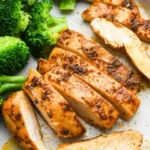
Juicy 30-Minute Baked Chicken Breast
- Total Time: 30 minutes
- Yield: 6 servings 1x
- Diet: Gluten Free, Dairy Free, Paleo, Whole30, Keto
Description
These baked chicken breasts are an absolute staple for meal prep and weeknight dinners! Not only are they super easy to make, but they come out perfect every time – juicy, moist, and incredibly flavorful.
Ingredients
- 4 medium sized chicken breasts (about 2 pounds)
- 1 teaspoon garlic powder
- 1 teaspoon onion powder
- 1 teaspoon paprika
- 1 teaspoon dried parsley
- 1/2 teaspoon dried mustard
- 1/2 teaspoon chili powder (optional)
- 1 1/2 teaspoons kosher salt
- 1/4 teaspoon black pepper
- 2 tablespoons olive oil or avocado oil
Instructions
- Preheat: Preheat oven to 425 degrees Fahrenheit and lightly grease a large baking dish or rimmed baking sheet.
- Prepare: Pound the thickest part of each chicken breast until they are roughly the same thickness throughout or cut them in half horizontally.
- Season and Bake: Toss chicken breasts in a bowl with all spices and oil until evenly coated, place in the baking dish, and bake for 18-20 minutes until internal temperature reads 165 degrees Fahrenheit.
- Rest: Allow chicken breasts to rest for several minutes before slicing, brush with pan juices, and serve.
Notes
Storing: Keep in a sealed container in the refrigerator for up to 4 days. Reheating: Use a microwave, skillet, or oven at 300 degrees for 10 minutes; add 1-2 teaspoons of water to maintain moisture. Freezing: Slice, dice, or shred before freezing for faster thawing.
- Prep Time: 10 minutes
- Cook Time: 20 minutes
- Category: Dinner
- Method: Oven
- Cuisine: American
Nutrition
- Serving Size: 1 chicken breast
- Calories: 320 kcal
- Sugar: 1 g
- Sodium: 580 mg
- Fat: 12 g
- Saturated Fat: 3 g
- Unsaturated Fat: 9 g
- Trans Fat: 0 g
- Carbohydrates: 4 g
- Fiber: 1 g
- Protein: 35 g
- Cholesterol: 90 mg