
This simple fruit sauce combines the natural sweetness of peaches with traditional apples for a refreshing treat. It serves as a healthy snack for both children and adults and is easy to prepare in bulk.

List of ingredients
- 4 medium apples – peeled, cored, and chopped into small pieces.
- 2 medium peaches – peeled, cored, and chopped.
- 1/4 cup water – prevents the fruit from sticking and aids the simmering process.
- 1 tbsp honey – provides a touch of natural sweetness.
step-by-step instructions
- Combine: Add the chopped apples, chopped peaches, water, and honey to a medium pot.
- Mix: Stir the ingredients together until the honey is well combined with the fruit.
- Simmer: Cover the pot and cook over medium heat for 20 to 25 minutes, or until the apples become soft.
- Cool: Remove the pot from the heat source.
- Blend: Use an immersion blender or a potato masher to blend the mixture until it reaches your desired smoothness.
- Store: Use the sauce immediately or place it in the refrigerator until you are ready to serve.
- Prepare for Freezing: Allow the applesauce to cool completely to room temperature before freezing.
- Portion: Spoon the cooled sauce into ice cube trays and freeze on a level surface until solid.
- Bag: Pop the frozen cubes out of the trays and transfer them into freezer bags labeled with the date and contents.
Selecting the Ideal Produce
Choosing Tart Apples for Balance
Granny Smith or Braeburn apples are excellent choices for this recipe. Their natural acidity balances the sweetness of the honey and peaches. Avoid mealy varieties to ensure a better texture during the simmering process.
Selecting Perfectly Ripe Peaches
Look for peaches that give slightly when pressed gently near the stem. A strong, sweet aroma is a key indicator of ripeness. Avoid fruits with deep bruises or excessively soft spots, as these can affect the final flavor.
Handling Overripe Fruit
Overripe peaches can still be used if the bruised areas are trimmed away. These fruits often have higher sugar content and may soften faster during cooking. Adjust the simmering time slightly if the fruit is exceptionally soft.
Advanced Fruit Preparation
Efficient Peeling Techniques
Use a Y-shaped vegetable peeler for the fastest results when removing apple and peach skins. For peaches, a sharp paring knife can be used to carefully slice around the equator. Ensuring all skin is removed results in a smoother sauce.
Consistent Chopping for Even Cooking
Cut the apples and peaches into uniform cubes, approximately half an inch in size. Consistent sizing ensures that all fruit pieces soften at the same rate. This prevents some pieces from becoming mushy while others remain firm.
Blanching Peach Skins
If you struggle with peeling peaches, try the blanching method. Score a small X in the bottom of the peach and drop it into boiling water for 30 seconds. Immediately plunge it into an ice bath to make the skins slip off easily.
Customizing Flavor and Taste
Integrating Warm Spices
Adding a quarter teaspoon of ground cinnamon can provide a cozy, aromatic quality. A pinch of ground nutmeg or ginger also complements the peach flavor well. Stir these spices in at the beginning of the simmering process.
Using Citrus to Enhance Brightness
A tablespoon of fresh lemon juice helps brighten the overall flavor profile. The acidity also prevents the fruit from oxidizing and turning brown. Add the juice after removing the pot from the heat.
Alternative Natural Sweeteners
Maple syrup can be used as a direct replacement for honey for a deeper, woody taste. Agave nectar is another option for those seeking a neutral sweetness. Adjust the quantity based on the natural sweetness of your fruit.
Adding Vanilla for Depth
A small splash of pure vanilla extract enhances the floral notes of the peaches. It is best to stir this in at the end of the cooking process. This ensures the volatile aromatic compounds do not evaporate during simmering.
Modifying Texture and Consistency
Achieving a Chunky Consistency
For a rustic texture, use a potato masher or a fork instead of a blender. This leaves small pieces of fruit throughout the sauce. It is a preferred texture for those who enjoy a more traditional homemade feel.
Creating a Silky Puree
Use a high-speed blender or a food processor for a completely smooth, commercial-style consistency. Process the sauce in small batches to avoid overfilling the container. This method is ideal for baby food or smooth toppings.
Thickening the Sauce
If the sauce is too thin, simmer it for an additional five to ten minutes without the lid. This allows excess moisture to evaporate, concentrating the flavors. Using apples high in pectin, like McIntosh, also helps the sauce thicken naturally.
Comprehensive Storage Guide
Optimal Refrigeration Practices
Store the finished sauce in glass jars with airtight lids to maintain freshness. Non-reactive containers prevent the sauce from picking up metallic tastes. Ensure the sauce has cooled completely before sealing the lid.
Preventing Oxidation and Browning
Exposure to air can cause the sauce to darken over time. Keeping the container filled to the top minimizes the air gap. Adding a small amount of ascorbic acid or lemon juice further inhibits browning.
Long-Term Freezer Storage
Using freezer-safe bags removes excess air and prevents freezer burn. Flatten the bags before freezing to save space in the freezer. Clearly label each bag with the preparation date for easy inventory management.
Safe Thawing Procedures
Move frozen sauce cubes to the refrigerator overnight for a gradual thaw. For quicker results, place a sealed bag in a bowl of cold water. Avoid thawing in the microwave to prevent uneven heating or scorching.
Versatile Serving Ideas
Breakfast Topping Applications
Stir this sauce into warm oatmeal or quinoa porridge for added flavor. It also works exceptionally well as a topping for whole-grain pancakes or waffles. Pair it with a sprinkle of toasted walnuts for added crunch.
Pairing with Savory Proteins
The sweet and tart profile makes this sauce a great accompaniment to grilled chicken breasts. Use it as a glaze by simmering it further until it reduces to a syrup. It also pairs well with seared tofu or roasted root vegetables.
Dessert Component Integration
Use the sauce as a filling between layers of a vanilla sponge cake. It also serves as a refreshing topping for Greek yogurt or vanilla bean ice cream. For a more complex dessert, swirl it into a cheesecake batter.
Incorporating into Baked Goods
Fold the cooled sauce into muffin or scone batter for moisture and fruit flavor. You can also use it as a base for a fruit tart filling. Adjust the flour amount slightly to compensate for the added moisture from the sauce.
Troubleshooting Common Issues
Correcting a Watery Consistency
Watery sauce usually occurs if the fruit released more liquid than expected or the heat was too low. Return the sauce to the pot and simmer uncovered over medium heat. Continue this process until the desired thickness is reached.
Balancing Overly Sweet Sauce
If the honey and peaches make the sauce too sweet, add a teaspoon of apple cider vinegar. Alternatively, stir in some freshly chopped tart apple. This introduces acidity that cuts through the sugar.
Preventing Fruit Scorching
Scorching happens when the heat is too high or the pot is not stirred. Use a heavy-bottomed pot to distribute heat more evenly. Stir the mixture occasionally during the simmering process to ensure no fruit sticks to the bottom.
Essential Equipment Recommendations
Heavy-Bottomed Cookware
A stainless steel or enamel-coated cast iron pot is recommended for this recipe. These materials provide even heat distribution, reducing the risk of burning the honey. Avoid thin-walled pots that create hot spots.
Immersion Blender Efficiency
An immersion blender allows you to puree the fruit directly in the cooking pot. This eliminates the need to transfer hot liquids to a blender jar. It also makes the cleanup process much faster.
Digital Kitchen Scales
For those making larger batches, using a digital scale ensures ingredient accuracy. Weighing the fruit provides more consistency than using “medium” as a size guide. This helps maintain the same flavor profile every time.
Frequently Asked Questions
Can I use frozen peaches?
Yes, frozen peaches can be used. Thaw them slightly first or increase the simmering time by a few minutes to account for the extra moisture they release.
Which apples are best for sauce?
Fuji and Gala are great for sweetness, while Granny Smith provides the best tartness. A mix of both often results in the most complex and balanced flavor.
Can I make this without honey?
Yes, the honey is optional. The natural sugars in the apples and peaches are often enough, especially if you are preparing this as a snack for infants.
How long does it last in the fridge?
When stored in an airtight container, the sauce will remain fresh for up to seven days. Always check for any changes in smell or appearance before consuming.
Print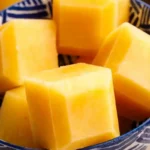
Homemade Peach Applesauce
- Total Time: 30 minutes
- Yield: 8 servings 1x
- Diet: Vegetarian
Description
This homemade peach applesauce is so good and the perfect snack for kids and adults.
Ingredients
- 4 medium apples (peeled, cored and chopped)
- 2 medium peaches (peeled, cored and chopped)
- ¼ cup water
- 1 tbsp honey
Instructions
- Combine: Add all the ingredients to a pot.
- Stir: Stir to combine.
- Simmer: Cover and simmer over medium heat for 20-25 minutes or until the apples are soft.
- Cool: Remove from the heat.
- Blend: Using an immersion blender or potato masher, blend the mixture until smooth.
- Serve: Use immediately or refrigerate until ready to use.
- Prep for freezing: To freeze, allow the applesauce to cool completely.
- Portion: Spoon the applesauce into ice cube trays.
- Freeze: Freeze until solid.
- Store: Pop the cubes out of the trays and transfer them to freezer bags labeled with the date and the contents.
Notes
Applesauce can be stored in the refrigerator for up to a week. When freezing, let it cool to room temperature before spooning into ice cube trays.
- Prep Time: 10 minutes
- Cook Time: 20 minutes
- Category: Side Dish
- Method: Simmering
- Cuisine: American
Nutrition
- Serving Size: 1 serving
- Calories: 71 kcal
- Sugar: 15 g
- Sodium: 6 mg
- Fat: 0.3 g
- Saturated Fat: 0.03 g
- Unsaturated Fat: 0.13 g
- Trans Fat: 0 g
- Carbohydrates: 19 g
- Fiber: 3 g
- Protein: 1 g
- Cholesterol: 0 mg