
This nourishing chicken soup combines tender poached breast meat with a variety of winter vegetables and fresh herbs. It is a simple, one-pot meal designed to provide warmth and comfort during colder seasons.

List of ingredients
- 2 tablespoons extra virgin olive oil – used for sautéing the aromatic vegetables.
- 4 medium carrots – peeled and sliced into rounds.
- 3 parsnips – peeled and sliced into rounds.
- 3 celery ribs – sliced into small pieces.
- ½ medium onion – finely diced.
- 1 leek – halved lengthwise, sliced, and thoroughly rinsed.
- 4 garlic cloves – minced for deep flavor.
- 1 teaspoon kosher salt – to enhance all savory notes.
- ½ teaspoon freshly ground black pepper – for a subtle spicy kick.
- 2 boneless skinless chicken breasts – used for poaching.
- 2 sprigs fresh thyme – adds an earthy, aromatic quality.
- 2 sprigs fresh tarragon – provides a unique, sweet herbal flavor.
- 1 bay leaf – adds depth to the simmering broth.
- 5 cups low-sodium chicken broth – the base of the soup.
- ¼ cup roughly chopped fresh parsley – for a fresh finish.
step-by-step instructions
- Saute the veggies: Heat the olive oil in a large pot over medium heat. Add the carrots, parsnips, celery, leek, and onion, cooking for 4 to 5 minutes while stirring frequently. Stir in the minced garlic, salt, and pepper for one additional minute until fragrant.
- Poach the chicken: Stir in the thyme, tarragon, bay leaf, chicken breasts, and chicken broth. Bring the liquid to a boil, then immediately reduce the heat to low and cover the pot. Simmer for approximately 15 minutes, or until the chicken is fully cooked through.
- Shred the chicken: Use tongs to move the chicken breasts to a cutting board. Gently shred the meat using two forks. Return the shredded chicken to the pot and simmer for 1 to 2 more minutes to integrate the flavors.
- Serve: Locate and remove the thyme sprigs, tarragon sprigs, and the bay leaf from the pot. Stir in the fresh parsley. Garnish individual bowls with extra parsley and black pepper before serving.
Vegetable Preparation and Selection
Using Parsnips for Natural Sweetness
Parsnips are a fantastic addition to chicken soup because they offer a distinct, earthy sweetness. They provide a similar texture to potatoes but with a more complex flavor profile. Ensure they are peeled well to remove the woody exterior.
Properly Cleaning Leeks
Leeks grow in sandy soil, and dirt often becomes trapped between their layers. After slicing them lengthwise and into rounds, place them in a colander and rinse under cold running water. This prevents any grit from ending up in your final bowl.
Slicing for Even Cooking
To ensure all vegetables reach the perfect tenderness at the same time, slice them into uniform sizes. Aim for rounds of about a quarter-inch thickness for carrots and parsnips. This consistency prevents some pieces from being mushy while others remain hard.
Managing Garlic Sauté Times
Garlic burns much faster than onions or carrots, which can create a bitter taste. Always add the minced garlic during the final minute of the sauté process. This allows it to release its oils without scorching.
Techniques for Perfect Poached Chicken
Maintaining a Gentle Simmer
Poaching requires a low, steady temperature rather than a rolling boil. High heat can cause the chicken breast to become tough and rubbery. Keep the pot covered and the heat low to keep the meat tender.
Verifying Internal Temperature
While 15 minutes is the standard time, chicken breast thickness varies. Use an instant-read thermometer to ensure the thickest part of the meat reaches 165°F. This guarantees the chicken is safe to eat without overcooking it.
Efficient Shredding Methods
Using two forks is the traditional method for shredding poached chicken. For larger batches, you can use a stand mixer with a paddle attachment on low speed to shred the meat quickly. Be careful not to over-process the meat into a paste.
Integrating Meat Back into the Broth
Returning the shredded chicken to the soup for a final 1 to 2 minutes is crucial. This allows the meat to soak up the herb-infused broth. It ensures every bite of chicken is seasoned and warm.
Optimizing Flavor Profiles
The Impact of Fresh Tarragon
Tarragon is the secret ingredient that elevates this soup above standard versions. Its slight anise-like flavor pairs perfectly with chicken and fresh thyme. If you have never used it, it provides a sophisticated, gourmet taste.
Choosing the Right Chicken Broth
Since the ingredient list is minimal, the quality of your broth determines the final taste. Opt for a low-sodium version to maintain control over the salt levels. A broth with a rich, golden color usually indicates a deeper flavor.
Balancing Salt and Pepper
Kosher salt is preferred here for its larger grains, which allow for more precise seasoning. Adjust the black pepper at the end based on your preference. Freshly ground pepper provides a brightness that pre-ground pepper lacks.
Fresh Parsley as a Finisher
Adding parsley at the very end preserves its bright green color and fresh flavor. Cooking parsley for too long can make it taste dull and lose its visual appeal. Stir it in just seconds before serving.
Ingredient Substitutions and Variations
Replacing Parsnips with Other Root Vegetables
If parsnips are unavailable, you can use turnips or gold potatoes. Keep in mind that potatoes may require an extra 5 to 10 minutes of simmering time to become fork-tender. Turnips will provide a slightly more peppery flavor.
Using Chicken Thighs Instead of Breasts
Chicken thighs are a great alternative if you prefer a richer, juicier meat. They are more forgiving and less likely to dry out during the poaching process. Simply follow the same poaching time and shred them as usual.
Converting Fresh Herbs to Dried Herbs
If fresh herbs are not on hand, you can use dried thyme and tarragon. Use about half a teaspoon of each, as dried herbs are more concentrated in flavor. Add them at the beginning of the poaching step for maximum infusion.
Adding Extra Vegetables for Bulk
You can easily increase the nutrient density by adding peas or diced zucchini. Add zucchini during the last five minutes of simmering so it doesn’t become too soft. Peas can be stirred in right along with the parsley.
Serving and Pairing Ideas
Incorporating Grains or Pasta
While this recipe is designed without noodles to keep it light, you can add cooked rice or small pasta. Cook the grains or pasta separately and add them to individual bowls. This prevents the starch from thickening the broth in the main pot.
Complementary Side Dishes
A crusty piece of sourdough or a warm baguette is the perfect accompaniment to soak up the broth. A simple side salad with a lemon vinaigrette can also balance the richness of the soup. Garlic bread is another popular and satisfying option.
Fresh Garnishes for Presentation
Beyond parsley, a squeeze of fresh lemon juice can brighten the entire dish. A sprinkle of paprika or a few cracks of fresh black pepper add visual contrast. This makes the meal look as professional as it tastes.
Storage and Reheating Advice
Proper Refrigeration Steps
Allow the soup to cool to room temperature before transferring it to an airtight container. Putting hot soup directly into the fridge can raise the internal temperature of the appliance. Once cooled, it will stay fresh for 4 to 5 days.
Freezing for Long-Term Use
This soup freezes exceptionally well for up to three months. Use glass containers or silicone freezing trays for the best results. Avoid filling containers to the very top to allow room for the liquid to expand as it freezes.
Best Methods for Reheating
For a single serving, a microwave is the fastest option; heat in short intervals and stir. For larger portions, reheat in a pot over medium-low heat. Add a splash of water or broth if the soup has thickened too much during storage.
Troubleshooting Common Issues
Correcting Overly Salty Broth
If the broth tastes too salty, you can add a peeled, halved potato to the pot and simmer it for 10 minutes. The potato acts like a sponge and absorbs some of the excess salt. Remove the potato before serving.
Preventing Mushy Vegetables
Vegetables become mushy when they are boiled too vigorously for too long. Ensure the heat is reduced to a low simmer after the initial boil. Check the carrots and parsnips frequently toward the end of the poaching time.
Handling Cloudy Broth
Cloudy broth often happens when the soup is boiled too hard or when starch from the vegetables leaks. To maintain a clear broth, keep the simmer very gentle. Skim off any foam that rises to the top during the initial boiling phase.
Frequently Asked Questions
Does chicken soup actually help when you have a cold?
While not a medical cure, chicken soup is highly nourishing and soothing. The warm broth helps hydrate the body, while the protein and vegetables provide essential nutrients to support the immune system.
Can I add other vegetables to this recipe?
Yes, you can add vegetables like peas, zucchini, or spinach. Zucchini should be added toward the end to maintain its structure, and spinach should be stirred in at the very end until just wilted.
How long can I store this soup in the fridge?
When stored in an airtight container, this soup remains good for 4 to 5 days. This makes it an excellent option for healthy meal prep during the week.
Can I use a different oil for sautéing?
You can substitute extra virgin olive oil with avocado oil or any other neutral cooking oil. Avocado oil is particularly good if you prefer a higher smoke point, though olive oil provides a nice flavor.
Print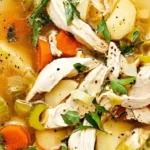
Hearty Homemade Chicken and Vegetable Soup
- Total Time: 30 minutes
- Yield: 4 servings 1x
- Diet: General
Description
This nourishing and healing chicken soup recipe is loaded with poached chicken, carrots, parsnips, celery, leek, onion, garlic and fresh herbs. It’s a great cold weather soup!
Ingredients
- 2 tablespoons extra virgin olive oil
- 4 medium carrots, peeled and sliced
- 3 parsnips, peeled and sliced
- 3 celery ribs, sliced
- ½ medium onion, diced
- 1 leek, halved lengthwise, sliced, and rinsed
- 4 garlic cloves, minced
- 1 teaspoon kosher salt
- ½ teaspoon freshly ground black pepper
- 2 boneless skinless chicken breasts
- 2 sprigs fresh thyme
- 2 sprigs fresh tarragon
- 1 bay leaf
- 5 cups low-sodium chicken broth
- ¼ cup roughly chopped fresh parsley
Instructions
- Saute the veggies: Heat the oil in a large pot on medium heat. Add the carrots, parsnips, celery, leek, and onion to the pot and cook for 4 to 5 minutes, stirring frequently. Add the garlic, salt, and pepper, and stir for another minute.
- Poach the chicken: Add the thyme, tarragon, bay leaf, chicken, and broth. Bring to a boil, then reduce the heat to low and cover the pot. Simmer the soup for 15 minutes, or until the chicken is fully cooked.
- Shred the chicken: With tongs, remove the chicken to a cutting board and then gently shred the chicken with two forks. Place the shredded chicken back into the pot and simmer for an additional 1 to 2 minutes.
- Serve: Remove the sprigs of thyme, tarragon and the bay leaf. Stir in the parsley, and garnish with additional fresh parsley and black pepper before serving.
Notes
If using dried herbs instead of fresh, start with ½ teaspoon of each. To store, keep in an airtight container in the fridge for 4 to 5 days, or freeze for up to 3 months.
- Prep Time: 10 minutes
- Cook Time: 20 minutes
- Category: Soup
- Method: Poaching
- Cuisine: American
Nutrition
- Serving Size: 1 serving
- Calories: 319 kcal
- Sugar: 11 g
- Sodium: 822 mg
- Fat: 11 g
- Saturated Fat: 2 g
- Unsaturated Fat: 9 g
- Trans Fat: 0.01 g
- Carbohydrates: 38 g
- Fiber: 9 g
- Protein: 21 g
- Cholesterol: 36 mg