
This refreshing salad combines crisp vegetables with crunchy ramen noodles and a sweet-savory vinaigrette. It is a fast meal option perfect for potlucks, barbecues, or a quick weeknight dinner.

List of ingredients
- 2 1/2- 3 cups cooked, chopped chicken breasts or rotisserie chicken – cut into bite-sized pieces.
- 2 16 oz bags shredded cabbage and carrot coleslaw blend – provides the crisp vegetable base.
- 1 bunch green onions – roughly chopped or thinly sliced.
- 1 3.5 oz pkg sliced almonds – adds a nutty crunch.
- 3 tbsp sunflower seeds – shelled kernels for extra texture.
- 2 3 oz pkgs ramen noodles – any flavor, but discard the seasoning packets.
- 3/4 cup canola oil – the base for the vinaigrette.
- 4 1/2 tbsp rice wine vinegar – provides the essential Asian-style tang.
- 4 1/2 tbsp sugar – balances the acidity of the vinegar.
- 2 tsp salt – enhances all the flavors.
- 1 tsp pepper – adds a subtle spice.
- 1 tsp sesame oil – used for a toasted, nutty aroma.
step-by-step instructions
- Prepare the dressing: Blend all the vinaigrette ingredients together in a small bowl and set aside until ready to use.
- Combine the base: In a large mixing bowl, toss together the coleslaw mix, onions, chicken, and sunflower seeds.
- Add the noodles: Break the raw ramen blocks into small chunks. Add them into the salad mixture, tossing until evenly combined and dispersed.
- Dress the salad: Pour in the prepared dressing and stir everything well until the ingredients are evenly coated.
- Serve: Serve immediately as is, or chill in the refrigerator for twenty minutes before serving for a colder experience.
Component Preparation Secrets
Selecting the Best Chicken
Rotisserie chicken is highly recommended for this recipe because it provides a moist texture and a savory flavor profile. If using chicken breasts, poach them gently or grill them to ensure they remain tender after being chilled. Chop the meat into consistent half-inch cubes to ensure every bite of the salad contains protein.
Optimizing the Coleslaw Mix
Using pre-shredded bags of cabbage and carrots significantly reduces preparation time. If you prefer a specific cabbage type, you can mix red and green cabbage for a more vibrant color. Ensure the mix is dry before adding it to the bowl to prevent the dressing from becoming watered down.
Preparing Fresh Green Onions
For a mild flavor, slice the green onions thinly into small rings. If you prefer a bolder onion taste, roughly chop them into larger pieces. Use both the white and green parts of the stalk to get a full range of flavor and visual contrast.
Measuring the Nuts and Seeds
Ensure the sunflower seeds are shelled kernels rather than whole seeds in shells. Sliced almonds are preferred over whole almonds because they distribute more evenly throughout the salad. This ensures that the crunch is consistent across every serving.
Vinaigrette Mastery
Achieving a Proper Emulsion
Whisk the canola oil and rice wine vinegar vigorously to create a temporary emulsion. This prevents the oil from separating and ensures the dressing clings evenly to the cabbage and noodles. A small whisk or a closed jar shaken vigorously works best for this process.
The Role of Rice Wine Vinegar
Rice wine vinegar is less acidic than white distilled vinegar, which makes it ideal for this flavor profile. You can use either plain or seasoned rice wine vinegar. If using the seasoned variety, you may want to slightly reduce the added sugar to maintain balance.
Balancing Sugar and Salt
The sugar is essential for cutting through the acidity of the vinegar and the richness of the oil. Ensure the sugar is fully dissolved into the liquid before pouring it over the salad. This prevents grainy pockets of sweetness in the final dish.
Infusing with Sesame Oil
Sesame oil is used in a small quantity because its flavor is very potent. It provides a toasted, aromatic quality that defines the Asian-inspired taste of the salad. Always add it last to ensure the fragrance is preserved.
The Crunch Factor
Using Raw Ramen Noodles
The ramen noodles must be added to the salad completely raw. Cooking the noodles would remove the signature crunch and cause them to clump together. The raw noodles act like croutons, absorbing some of the dressing while maintaining their structure.
Properly Breaking the Noodle Blocks
Break the ramen blocks by hand directly over the mixing bowl to avoid losing small fragments. Aim for chunks about the size of a postage stamp. This ensures the noodles are large enough to stay crunchy but small enough to distribute evenly.
Timing the Noodle Addition
Add the ramen noodles only after the other vegetables and chicken are tossed. This prevents the noodles from being crushed during the initial mixing process. Once the noodles are in, toss them gently with the other ingredients.
Maintaining Texture
The noodles will begin to soften as soon as they contact the vinaigrette. To keep them as crunchy as possible, dress the salad immediately before serving. If the salad sits for several hours, the noodles will transition from a snap to a chewy texture.
Customizing Your Salad
Adding Fresh Fruit
Adding sliced mandarin oranges or dried cranberries can provide a burst of sweetness. These ingredients complement the savory notes of the chicken and sesame oil. Fold them in at the very end to avoid bruising the fruit.
Incorporating Extra Vegetables
Shredded red bell peppers or matchstick carrots can add more color and nutrition. Finely sliced red cabbage is another great addition for a deeper purple hue. Keep the vegetables shredded thinly so they blend well with the ramen chunks.
Alternative Protein Choices
While chicken is the standard, this salad works well with grilled shrimp or tofu cubes. Ensure the alternative protein is cooked and cooled before adding it to the cabbage mix. This maintains the temperature contrast of the salad.
Adding a Spicy Kick
To introduce heat, add a teaspoon of sriracha or red pepper flakes to the vinaigrette. You can also add thinly sliced fresh jalapeños to the vegetable mix. This creates a spicy counterpoint to the sugar in the dressing.
Nut and Seed Substitutions
Replacing Sliced Almonds
If you do not have sliced almonds, toasted pecans or walnuts are excellent alternatives. These nuts provide a richer, earthier flavor that pairs well with the rice vinegar. Ensure they are chopped into small pieces for consistency.
Substituting Sunflower Seeds
Pumpkin seeds (pepitas) are a great swap for sunflower seeds, offering a similar crunch and a slightly different nutty taste. Sesame seeds can also be used, though they provide a more subtle texture. Toasted seeds generally offer more flavor than raw ones.
Making the Salad Nut-Free
To make this recipe nut-free, omit both the almonds and sunflower seeds. You can increase the amount of raw ramen noodles to compensate for the lost crunch. Alternatively, use toasted soy nuts or roasted chickpeas for a safe, crunchy element.
Toasting Your Nuts for Flavor
Lightly toasting the almonds and sunflower seeds in a dry pan over medium heat enhances their natural oils. This adds a deeper, smokier flavor to the salad. Be careful not to burn them, as toasted nuts can turn bitter quickly.
Storage and Make-Ahead Strategy
The Component Storage Method
To keep the salad fresh for a party, store the components separately. Keep the chopped chicken and vegetable mix in one airtight container and the vinaigrette in a separate jar. This prevents the vegetables from wilting and the noodles from softening.
Freezing the Vinaigrette
The vinaigrette can be made in large batches and frozen in ice cube trays. Once frozen, transfer the cubes to a freezer bag. Thaw a few cubes in the refrigerator overnight before using them to dress a fresh batch of salad.
Refrigerating the Base Mix
The chicken and cabbage mixture can be stored in the refrigerator for up to two days. Keep it in a sealed container to prevent it from absorbing other food odors. Do not add the noodles or dressing until you are ready to eat.
Combining Ingredients Just Before Serving
For the best results, mix the dressing and raw ramen noodles into the salad just minutes before serving. This ensures the maximum possible crunch. If you must prep early, wait until the absolute last second to add the noodles.
Serving and Presentation
Serving in a Large Bowl
Use a wide, shallow bowl for serving to avoid crushing the ingredients at the bottom. This allows guests to scoop the salad without compressing the ramen noodles. A wooden bowl often provides a rustic look that complements the colors of the salad.
Individual Portioning for Events
For potlucks, consider serving the salad in individual clear plastic cups. Place the dressing at the bottom, followed by the chicken and vegetables, and top with the ramen noodles. Instruct guests to shake or stir the cup before eating.
Pairing with Other Asian-Inspired Dishes
This salad pairs well with grilled skewers or steamed dumplings. It also serves as a great side for a main course of teriyaki salmon or beef and broccoli. The acidity of the salad helps cleanse the palate between rich bites.
Garnishing for Visual Appeal
Garnish the finished salad with a sprinkle of black sesame seeds or a few whole almond slivers on top. A few extra rings of green onion can also add a pop of brightness. This makes the dish look more professional for dinner parties.
Troubleshooting and Tips
Fixing a Dressing That Is Too Sweet
If the vinaigrette tastes too sweet, add an extra tablespoon of rice wine vinegar or a squeeze of fresh lime juice. The added acidity will neutralize the excess sugar. Stir well and taste again before adding it to the salad.
Handling Over-saturated Cabbage
If the salad becomes too watery, it is likely because the cabbage released its moisture. You can drain the excess liquid from the bottom of the bowl using a slotted spoon. To prevent this, avoid over-mixing the salad.
Correcting Too Much Sesame Oil
Because sesame oil is so strong, it can sometimes overpower the other flavors. If this happens, increase the amount of canola oil and rice vinegar to dilute the concentration. This restores the balance of the vinaigrette.
Managing Noodle Crumbs
If the ramen noodles break into too many tiny crumbs, they can make the salad feel sandy. To avoid this, break the blocks into larger chunks than you think you need. The tossing process will naturally break them down further.
Frequently Asked Questions
Can I use a food processor for the chicken?
It is not recommended to use a food processor for the chicken, as it can turn the meat into a paste. For the best texture, hand-chop the chicken with a knife to maintain distinct, bite-sized cubes.
Which ramen brand works best?
Most standard brands like Top Ramen or Maruchan work perfectly. The key is to use the plain dried noodle block and ensure no cooked noodles are used in the recipe.
Can I use apple cider vinegar?
Yes, apple cider vinegar is a suitable substitute if rice wine vinegar is unavailable. It has a slightly different fruitiness, but it provides the necessary acidity to balance the sugar and oil.
How long does the dressing last?
When stored in an airtight jar in the refrigerator, the vinaigrette will stay fresh for about one to two weeks. Shake well before each use to re-emulsify the oil and vinegar.
Can I use frozen chicken breasts?
You can use frozen chicken breasts, but they must be fully thawed and cooked before being added to the salad. Ensure the chicken is completely cooled to room temperature to avoid wilting the cabbage.
Print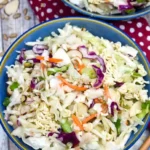
Crunchy Chinese Chicken Salad with Ramen Noodles
- Total Time: 10 minutes
- Yield: 8 servings 1x
- Diet: General
Description
A crunchy Chinese chicken salad with ramen noodles that marries traditional ingredients with a crunchy texture and an Asian zing for a refreshing combination.
Ingredients
- 2 1/2– 3 cups cooked, chopped chicken breasts or rotisserie chicken
- 2 16 oz bags shredded cabbage and carrot coleslaw blend
- 1 bunch green onions, roughly chopped or thinly sliced
- 1 3.5 oz pkg sliced almonds
- 3 tbsp sunflower seeds
- 2 3 oz pkgs ramen noodles, seasoning packet discarded
- 3/4 cup canola oil
- 4 1/2 tbsp rice wine vinegar
- 4 1/2 tbsp sugar
- 2 tsp salt
- 1 tsp pepper
- 1 tsp sesame oil
Instructions
- Step: Blend all the vinaigrette ingredients together in a small bowl and set aside.
- Step: In a large mixing bowl, toss together the coleslaw mix, green onions, chicken, and sunflower seeds.
- Step: Break the ramen blocks into small chunks and add them into the salad mixture, tossing until evenly combined.
- Step: Pour in the dressing and stir well until everything is evenly coated.
- Step: Serve immediately or chill for twenty minutes before serving.
Notes
Use a store-bought coleslaw mix for convenience. Do not use the ramen seasoning packets. The ramen noodles must be used raw; cooking them will ruin the salad’s texture. For make-ahead, store the vinaigrette and salad separately and mix in the ramen noodles just before serving.
- Prep Time: 10 minutes
- Cook Time: 0 minutes
- Category: Dinner, Lunch, Salad, Side Dish
- Method: Mixing
- Cuisine: American, Asian, Chinese
Nutrition
- Serving Size: 1 serving
- Calories: 570 kcal
- Sugar: 11 g
- Sodium: 1292 mg
- Fat: 39 g
- Saturated Fat: 6 g
- Unsaturated Fat: 29 g
- Trans Fat: 0.1 g
- Carbohydrates: 31 g
- Fiber: 5 g
- Protein: 28 g
- Cholesterol: 71 mg