
This recipe creates a thick, crunchy panko coating around tender chicken cutlets for a professional result. The method focuses on a specific dredging technique to ensure maximum adhesion and a juicy interior.

List of ingredients
- 2 chicken thighs or breasts – pounded to 1/2 inch thickness for even cooking.
- 1 cup Japanese panko bread crumbs – use large flakes for a lighter, crunchier texture.
- 1/2 cup all-purpose flour – used for the initial coating to help the egg stick.
- 1 egg, beaten – serves as the binding agent for the breadcrumbs.
- Vegetable oil – used for deep frying at a consistent temperature.
- 4 tablespoons ketchup – provides sweetness and thickness to the sauce.
- 2 1/2 tablespoons Worcestershire sauce – adds savory, umami depth.
- 1 tablespoon soy sauce – enhances the saltiness and color of the sauce.
- 1/8 teaspoon garlic and onion powder – adds subtle aromatic notes to the sauce.
- 1 1/2 teaspoons sugar (optional) – used to adjust the sweetness of the sauce.
step-by-step instructions
- Prepare the Katsu Sauce: Combine the ketchup, Worcestershire sauce, soy sauce, garlic powder, and onion powder in a small mixing bowl. Stir until smooth and add sugar if a sweeter taste is preferred. Set the sauce aside for later use.
- Prepare the Chicken: Pound the chicken thighs or breasts using a meat mallet or rolling pin until they reach a uniform thickness of 1/2 inch. Season the meat with salt and pepper to taste.
- Initial Flour Coating: Place all-purpose flour on a plate. Dredge each piece of chicken in the flour, shaking off any excess to prevent the breading from becoming too thick or gummy.
- Apply the Egg Wash: Beat one egg in a bowl and stir in one tablespoon of all-purpose flour. This addition increases the viscosity of the egg, allowing more panko to adhere to the chicken. Dip the floured chicken into the egg mixture and let the excess drip off.
- Apply Panko Breadcrumbs: Place panko breadcrumbs on a separate plate. Press the egg-coated chicken firmly into the panko, ensuring all surfaces are completely covered. Press hard to lock the crumbs into the egg wash.
- Heat the Frying Oil: Fill a deep pan or fryer with vegetable oil and heat it to 340 degrees F over medium heat. If a thermometer is unavailable, test the oil by dropping a few panko crumbs; they should sizzle immediately.
- Fry the Cutlets: Carefully place the chicken in the oil. Fry for approximately 4 minutes on the first side. Flip the chicken and fry for another 4 minutes until the crust is golden brown and the internal temperature reaches 165 degrees F.
- Rest and Serve: Remove the chicken from the oil and let it rest on a wire rack for a few minutes. Slice into 1-inch thick strips and serve with the prepared katsu sauce, shredded cabbage, and steamed rice.
Advanced Coating Techniques for Maximum Crunch
Increasing Egg Wash Viscosity
Adding one tablespoon of flour directly into the beaten egg creates a thicker adhesive. This modified egg wash captures more panko flakes than a standard beaten egg. A thicker layer of breadcrumbs protects the meat from direct heat, keeping it moist while adding significant texture.
Pressing Panko Firmly
Instead of simply dredging the chicken in crumbs, use the palm of your hand to press the panko into the meat. This mechanical pressure ensures the breadcrumbs are embedded into the egg wash. This step prevents the coating from separating or flaking off during the frying process.
Double Coating for Extra Texture
For an even thicker crust, you can dip the breaded chicken back into the egg wash and into the panko a second time. This is particularly useful when using very lean chicken breasts. Ensure you press firmly during the second coating to avoid air pockets between layers.
Managing Panko Saturation
As the chicken sits after breading, some panko flakes will absorb the moisture from the egg and become soggy. Right before placing the chicken in the oil, press it into the panko one final time. This covers any bare spots and ensures a uniform, crispy exterior.
Chicken Selection and Preparation
Using Boneless Skinless Thighs
Chicken thighs are the preferred choice for katsu because they have a higher fat content than breasts. This makes them more forgiving during the frying process and less likely to dry out. Thighs maintain a juicy texture even if cooked slightly past the target temperature.
Pounding Chicken Breasts for Uniformity
If using chicken breasts, they must be halved and pounded to a consistent 1/2 inch thickness. Uneven thickness leads to the outer edges overcooking before the center is safe to eat. Pounding the meat also breaks down tough fibers, resulting in a more tender cutlet.
Removing Surface Moisture
Before applying the flour dredge, pat the chicken dry with paper towels. Excess moisture on the surface of the meat can create a steam barrier between the chicken and the flour. This often causes the entire breading layer to slide off the meat during frying.
Frying and Oil Management
Maintaining Precise Oil Temperature
Keeping the oil at exactly 340 degrees F is critical for the perfect katsu. If the oil is too hot, the panko will burn and turn dark brown before the chicken is cooked through. If the oil is too cold, the breading will absorb excessive grease and become heavy and soggy.
Avoiding Fryer Overcrowding
Fry the chicken in small batches to prevent the oil temperature from dropping rapidly. When too many pieces are added at once, the oil cools down, leading to oil-logged breading. Allow the oil to return to 340 degrees F between batches.
Selecting the Right Frying Oil
Use oils with high smoke points, such as canola, peanut, or soybean oil. These oils can withstand the heat of deep frying without breaking down or producing unpleasant flavors. Avoid using extra virgin olive oil, as its smoke point is too low for this method.
Katsu Sauce Customizations
Adjusting Sweetness and Acidity
The balance of ketchup and Worcestershire sauce provides the signature sweet and tangy profile. If the sauce is too acidic, increase the amount of sugar by half-teaspoon increments. For a more savory profile, reduce the sugar and add a small amount of additional soy sauce.
Adding Umami Enhancements
To deepen the savory flavor, you can incorporate a pinch of mushroom powder or a drop of fish sauce into the mixture. These additions enhance the glutamates in the soy and Worcestershire sauces. This results in a more complex, professional-grade condiment.
Creating a Spicy Katsu Variant
Add a teaspoon of Sriracha or a pinch of cayenne pepper to the base sauce for a spicy kick. The heat cuts through the richness of the fried chicken. You can also stir in a small amount of grated ginger for a fresh, aromatic heat.
Alternative Cooking Methods
Air Fryer Instructions
Preheat the air fryer to 375 degrees F. Spray both sides of the breaded chicken generously with vegetable oil to ensure the panko browns. Cook for 10-12 minutes, flipping halfway through, until the internal temperature reaches 165 degrees F.
Oven Baking Approach
Place the breaded chicken on a wire rack set over a baking sheet. Preheat the oven to 400 degrees F and spray the panko with oil. Bake for 15-20 minutes, as the wire rack allows hot air to circulate under the chicken to prevent sogginess.
Pan-Frying with Less Oil
Use a large skillet and fill it with about 1/2 inch of oil. Heat to 340 degrees F and fry the cutlets, turning them once. While not as uniform as deep frying, this method uses significantly less oil while still providing a crispy crust.
Serving and Presentation
The Role of Shredded Cabbage
Traditional katsu is served with a mound of finely shredded raw cabbage. The crisp, fresh nature of the cabbage balances the richness of the fried chicken. Dress the cabbage with a light vinaigrette or Japanese sesame dressing for added flavor.
Creating a Katsu Sando Sandwich
Place a sliced chicken katsu fillet between two pieces of toasted milk bread. Spread a thin layer of katsu sauce and Japanese mayonnaise on the bread. Trim the crusts off the bread for an authentic Japanese sandwich experience.
Preparing a Katsu Don Rice Bowl
Simmer sliced katsu in a pan with dashi, soy sauce, and mirin, then top with a beaten egg. Slide the entire mixture over a bowl of steamed white rice. This turns the crispy cutlet into a comforting, saucy meal.
Preservation and Reheating
Refrigerating Leftovers
Store cooked chicken katsu in an airtight container in the refrigerator for up to 3 days. To prevent the breading from softening, let the chicken cool completely before sealing the container. This prevents condensation from forming inside the box.
Freezing and Thawing
Wrap individual pieces of cooked katsu in parchment paper and place them in a freezer bag for up to one month. Thaw the chicken in the refrigerator overnight before reheating. Avoid thawing at room temperature to maintain food safety.
Restoring Crispiness in the Oven
Reheat katsu in a toaster oven or conventional oven at 350 degrees F for 4-7 minutes. This evaporates the moisture that accumulated during storage. Avoid using a microwave, as it will make the panko coating soft and rubbery.
Air Fryer Reheating
The air fryer is the most effective way to reheat katsu. Place the chicken at 350 degrees F for 3-5 minutes. This quickly crisps the exterior while warming the center without adding extra oil.
Common Troubleshooting
Preventing Breading Separation
If the breading separates from the meat, it is usually due to excess moisture on the chicken or skipping the flour step. Ensure the meat is patted dry and the flour layer is thin but complete. The flour acts as a primer that allows the egg to bond to the protein.
Handling Burnt Breadcrumbs
If the panko turns dark brown before the chicken is cooked, the oil temperature is too high. Lower the heat immediately and use a thermometer to stabilize it at 340 degrees F. If necessary, remove the chicken and let the oil cool slightly before continuing.
Managing Oil Splatter
Oil splatters occur when water droplets hit the hot fat. Ensure the chicken is not dripping with egg wash before placing it in the pan. Lower the chicken gently into the oil away from your body to avoid splashes.
Frequently Asked Questions
Can I use gluten-free flour and panko?
Yes, you can substitute all-purpose flour with a 1:1 gluten-free flour blend. Use certified gluten-free panko breadcrumbs to maintain the same crunchy texture. The process remains exactly the same.
What is the best oil for frying katsu?
Canola oil and peanut oil are the best choices due to their high smoke points and neutral flavors. These oils prevent the katsu from tasting greasy and can handle the heat without smoking.
How do I know when the chicken is fully cooked?
The most reliable method is using a digital meat thermometer. Insert it into the thickest part of the chicken; it must reach an internal temperature of 165 degrees F (74 degrees C).
Can I prepare the breaded chicken in advance?
You can bread the chicken a few hours ahead of time and keep it refrigerated on a tray. However, the panko may absorb moisture, so it is recommended to press it into the crumbs again just before frying.
Print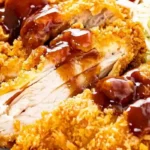
Crispy Chicken Katsu
- Total Time: 20 minutes
- Yield: 2 servings 1x
- Diet: General
Description
Chicken thighs or breasts are coated in a generous layer of flakey panko breadcrumbs and fried until tender and juicy on the inside!
Ingredients
- 2 chicken thighs or breasts
- 1 cup Japanese panko bread crumbs
- ½ cup all-purpose flour
- 1 egg, beaten
- vegetable oil for frying
- 4 tablespoons ketchup
- 2 ½ tablespoons Worcestershire sauce
- 1 tablespoon soy sauce
- ⅛ teaspoon garlic and onion powder
- 1 ½ teaspoons sugar
Instructions
- Make Chicken Katsu Sauce: Combine the ketchup, Worcestershire sauce, soy sauce, and garlic & onion powder in a small bowl. Taste and add sugar if desired.
- Dredge the Chicken: Pound the chicken flat until 1/2 inch thick. Mix a tablespoon of flour into the beaten egg. Salt and pepper the chicken, coat in flour, dip in the egg mixture, and cover with panko bread crumbs, pressing firmly.
- Deep-Fry the Chicken: Heat oil to 340°F over medium heat. Fry the chicken cutlets for about 4 minutes per side until golden brown and fully cooked.
Notes
Use boneless, skinless chicken thighs for the juiciest results. For an extra crispy crust, press the chicken into the panko bread crumbs one more time right before frying. Store leftovers in an airtight container in the fridge for up to 3 days.
- Prep Time: 5 minutes
- Cook Time: 15 minutes
- Category: Main Course
- Method: Deep-frying
- Cuisine: Japanese
Nutrition
- Serving Size: 1 serving
- Calories: 336 kcal
- Sugar: 13 g
- Sodium: 1083 mg
- Fat: 16 g
- Saturated Fat: 2 g
- Unsaturated Fat: 14 g
- Trans Fat: 0.1 g
- Carbohydrates: 41 g
- Fiber: 1 g
- Protein: 7 g
- Cholesterol: 82 mg