
This simple one-pan meal combines juicy ground beef and tender pasta in a rich, velvety cheese sauce. It is a perfect solution for busy weeknights when you want hearty comfort food with minimal cleanup.

List of ingredients
- 1 pound ground beef (80/20) – provides the best balance of flavor and juiciness.
- 2 cups elbow macaroni (about 7 ounces) – the traditional choice for a creamy pasta dish.
- 2 ½ cups beef broth (about 20 fl oz) – adds a savory base for the pasta to absorb.
- 1 cup milk (whole or 2%) – creates a smooth, creamy consistency in the sauce.
- 2 cups shredded cheddar cheese (freshly shredded) – melts more evenly than pre-packaged options.
- 1 small onion, finely chopped – adds a subtle sweetness and depth.
- 2 cloves garlic, minced – provides a fresh, pungent aromatic base.
- 2 tablespoons tomato paste – delivers a concentrated tang similar to ketchup.
- 1 tablespoon Worcestershire sauce – adds a layer of savory umami.
- Salt and pepper to taste – used for basic seasoning throughout the process.
- 2 tablespoons butter – adds richness and helps thicken the final cheese sauce.
step-by-step instructions
- Brown the Beef: Heat a large deep skillet over medium-high heat. Add ground beef, season lightly with salt and pepper, and cook until mostly browned but still slightly pink, about 5 minutes. Drain excess fat if needed.
- Sauté Aromatics: Add chopped onion and minced garlic to the skillet and cook for another 3 minutes until onions are soft and fragrant.
- Concentrate Flavors: Stir in tomato paste and Worcestershire sauce. Cook for 1–2 minutes, stirring constantly, until the paste caramelizes slightly and the mixture darkens.
- Add Liquids: Pour in beef broth and milk, stir to combine, and bring to a gentle boil.
- Incorporate Pasta: Add elbow macaroni all at once and stir to submerge it in the liquid.
- Simmer: Reduce heat to medium-low and simmer gently, stirring every few minutes to prevent sticking, for 10–12 minutes until pasta is tender and sauce thickens.
- Finish the Sauce: Remove skillet from heat. Stir in butter until melted, then gradually add shredded cheddar cheese, stirring constantly until smooth and creamy. If sauce is too thick, add a splash of milk to loosen.
- Serve: Serve immediately while hot and creamy.
Expert Secrets for the Best Texture
Why Freshly Shredded Cheddar is Essential
Pre-shredded cheeses are coated in potato starch or cellulose to prevent clumping in the bag. These anti-caking agents interfere with the melting process and can leave your sauce feeling grainy or sandy. Grating your own block of cheddar ensures a perfectly smooth, luscious emulsion.
Timing the Pasta for the Perfect Bite
Cook the elbow macaroni until it is just tender, often referred to as al dente. Because the pasta continues to cook slightly in the hot cheese sauce after being removed from the heat, overcooking it during the simmer phase will result in mushy noodles. Stop the simmer as soon as the liquid is mostly absorbed and the pasta is soft.
Preventing Grainy Cheese with Temperature Control
Adding cheese to a skillet that is still over high heat can cause the proteins in the cheese to seize and separate from the fats. This results in a grainy texture rather than a creamy one. Always move the pan off the burner before stirring in your cheese and butter to keep the sauce stable.
Controlling Sodium Levels with Broth Selection
Using a low-sodium beef broth allows you to control the overall saltiness of the dish. Since cheddar cheese and Worcestershire sauce both contain significant amounts of salt, starting with a low-sodium base prevents the final dish from becoming over-salted. You can always add more salt at the end after tasting.
Achieving a Deep Sear on the Ground Beef
To maximize the savory flavor, ensure the skillet is hot before adding the beef and avoid overcrowding the pan. Let the meat brown undisturbed for a few minutes to create a caramelized crust. This Maillard reaction adds a layer of complexity to the dish that boiling the meat in its own juices cannot provide.
The Importance of Sautéing Tomato Paste
Cooking the tomato paste for a minute or two before adding the liquids removes the raw, metallic taste. This process, known as caramelization, deepens the color and concentrates the sugars. It creates that characteristic cheeseburger tang that ties the beef and cheese together.
Using the Right Pan for Even Cooking
A large, deep stainless steel or non-stick skillet is ideal for this recipe. A deep pan prevents the liquids from boiling over and provides enough surface area to brown the beef efficiently. Using a pan that is too small can lead to uneven cooking and make stirring the pasta difficult.
Maximizing Sauce Thickness Through Stirring
Stirring the pasta occasionally during the simmer phase does more than just prevent sticking. It helps release some of the starches from the macaroni into the liquid, which naturally thickens the sauce. This creates a glossy coating that clings to the noodles instead of pooling at the bottom.
Flavor Variations and Ingredient Substitutions
Adding a Smoky Touch with Turkey Bacon
For an extra layer of flavor, stir in crumbled, cooked smoked turkey bacon when you add the cheese. The smokiness complements the cheddar and beef, mimicking a bacon cheeseburger. This adds a salty crunch that provides a great textural contrast to the soft pasta.
Integrating a Spicy Kick
If you prefer a bit of heat, stir in half a teaspoon of crushed red pepper flakes or a dash of your favorite hot sauce during the tomato paste step. This distributes the spice evenly throughout the sauce. Chipotle powder is another excellent option for a smoky, spicy profile.
Boosting Nutrition with Hidden Vegetables
You can easily sneak vegetables into this meal by adding them during the final few minutes of simmering. Frozen peas, diced carrots, or finely chopped bell peppers blend in well with the cheese sauce. Spinach is another great addition, as it wilts quickly and adds color and nutrients.
Adapting for Gluten-Free Diets
Substitute the standard elbow macaroni with a high-quality gluten-free pasta made from brown rice or chickpeas. Be mindful that some gluten-free pastas absorb liquid differently, so you may need to add an extra splash of broth if the sauce thickens too quickly. Keep the simmering time consistent with the pasta package directions.
Creating a Dairy-Free Version
To make this dish dairy-free, replace the milk with full-fat coconut milk or unsweetened cashew milk. Swap the cheddar cheese for a plant-based cheese alternative that is formulated for melting. While the flavor profile shifts slightly, the richness and creaminess remain satisfying.
Using Alternative Ground Meats
Ground turkey or ground chicken can be used as a leaner substitute for beef. Because these meats have less fat, you may need to add an extra tablespoon of butter or oil during the browning phase. I recommend adding a small amount of extra Worcestershire sauce to compensate for the milder flavor of the poultry.
Preserving and Serving Your Meal
Ideal Side Dish Pairings
Balance the richness of the cheeseburger macaroni with a crisp, acidic side. A simple green salad with a tangy balsamic vinaigrette or a side of steamed broccoli helps cut through the heavy cheese. Garlic bread is also a classic accompaniment that adds a satisfying crunch to the meal.
Proper Refrigeration and Storage
Store any remaining macaroni in an airtight container in the refrigerator for up to four days. The sauce will naturally thicken and become more solid as it cools, which is normal. Ensure the container is fully sealed to prevent the pasta from drying out.
Reheating for Maximum Creaminess
The best way to reheat this dish is in a skillet over low heat. Add a splash of milk or beef broth to the pan and stir gently until the cheese sauce returns to its original creamy state. Avoid reheating on high heat, as this can cause the cheese to separate and become oily.
Why Freezing is Not Recommended
Cream-based sauces containing milk and cheese do not freeze well. Upon thawing, the emulsion often breaks, leading to a grainy or separated texture. For the best quality, it is better to make smaller batches or stick to refrigerated storage.
Common Cooking Fixes
Correcting a Watery Sauce
If your sauce seems too thin after the pasta is cooked, simmer the mixture for another two to three minutes without a lid. This allows more liquid to evaporate and the starches to concentrate. If it is still too thin, you can stir in a small handful of extra cheese to thicken it instantly.
Solving Grainy Cheese Texture
Grainy sauce is almost always a result of overheating the cheese. If this happens, you can try adding a tiny bit of warm milk and whisking vigorously off the heat to re-emulsify the sauce. To prevent this in the future, always ensure the pan is removed from the burner before the cheese is added.
Preventing Pasta from Sticking
If you notice the macaroni clumping together, it is usually because the heat is too high or the liquid levels are too low. Reduce the heat to a gentle simmer and add a tablespoon of broth if the pan looks dry. Frequent stirring is the most effective way to keep the noodles separate.
Fixing a Bland Flavor Profile
If the final dish tastes flat, it likely needs a boost of acidity or salt. A small squeeze of lemon juice or a teaspoon of yellow mustard stirred in at the end can brighten the flavors significantly. Always taste the sauce one last time before serving to adjust the salt and pepper.
Frequently Asked Questions
Can I make this without milk?
Yes, you can substitute the milk with more beef broth or water, although the sauce will be less creamy. For a richer alternative without cow’s milk, try using heavy cream or a dairy-free alternative like coconut milk to maintain the velvety texture.
Can I prepare this a day in advance?
Absolutely. You can cook the entire recipe a day ahead and store it in the fridge. When you are ready to eat, reheat it slowly on the stovetop with a splash of liquid to bring back the creamy consistency.
Can I double the recipe for a crowd?
You can double the ingredients, but be sure to use a much larger pot or two separate skillets. Overcrowding a single pan can lead to uneven browning of the meat and may cause the pasta to cook unevenly due to lack of space for the liquid to circulate.
Is it possible to add more vegetables?
Yes, you can add a variety of vegetables such as shredded carrots, diced zucchini, or frozen corn. Stir them in during the simmering stage so they have enough time to soften and absorb the flavors of the beef and cheese sauce.
What if I don’t have Worcestershire sauce?
You can substitute Worcestershire sauce with a mixture of soy sauce and a drop of lemon juice. This provides the necessary salty and tangy elements that mimic the original flavor profile of the sauce.
Which type of cheddar is best?
Sharp cheddar is recommended for the best flavor, as its boldness stands up well to the beef and tomato paste. Mild cheddar works as well, but you may find the dish tastes slightly more muted, so you might want to add a bit more salt or pepper.
Print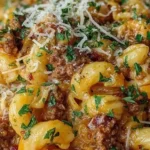
Creamy One-Pot Cheeseburger Macaroni
- Total Time: 30 minutes
- Yield: 6 servings 1x
- Diet: General
Description
A no-fuss, all-in-one comfort food dinner that combines browned beef, tender elbow macaroni, and a creamy cheese sauce cooked in a single skillet for easy cleanup and classic cheeseburger flavor.
Ingredients
- 1 pound ground beef (80/20)
- 2 cups elbow macaroni (about 7 ounces)
- 2 ½ cups beef broth (about 20 fl oz)
- 1 cup milk (whole or 2%)
- 2 cups shredded cheddar cheese (freshly shredded)
- 1 small onion, finely chopped
- 2 cloves garlic, minced
- 2 tablespoons tomato paste
- 1 tablespoon Worcestershire sauce
- Salt and pepper to taste
- 2 tablespoons butter
Instructions
- Step: Heat a large deep skillet over medium-high heat. Add ground beef, season lightly with salt and pepper, and cook until mostly browned but still slightly pink, about 5 minutes. Drain excess fat if needed.
- Step: Add chopped onion and minced garlic to the skillet and cook for another 3 minutes until onions are soft and fragrant.
- Step: Stir in tomato paste and Worcestershire sauce. Cook for 1–2 minutes, stirring constantly, until the paste caramelizes slightly and the mixture darkens.
- Step: Pour in beef broth and milk, stir to combine, and bring to a gentle boil.
- Step: Add elbow macaroni all at once and stir to submerge it in the liquid.
- Step: Reduce heat to medium-low and simmer gently, stirring every few minutes to prevent sticking, for 10–12 minutes until pasta is tender and sauce thickens.
- Step: Remove skillet from heat. Stir in butter until melted, then gradually add shredded cheddar cheese, stirring constantly until smooth and creamy. If sauce is too thick, add a splash of milk to loosen.
- Step: Serve immediately.
Notes
Use freshly shredded cheddar cheese for best melting results. Do not add cheese while pan is still on heat to avoid grainy sauce. If sauce is too thick, add a splash of hot broth or milk to thin. Avoid overcooking pasta; it should be just tender. Use low-sodium broth to control salt levels.
- Prep Time: 10 minutes
- Cook Time: 20 minutes
- Category: Main Course
- Method: Stovetop
- Cuisine: American
Nutrition
- Serving Size: About 1 cup per serving
- Calories: 450 kcal
- Sugar: 4 g
- Sodium: 650 mg
- Fat: 20 g
- Saturated Fat: 10 g
- Unsaturated Fat: 10 g
- Trans Fat: 0 g
- Carbohydrates: 38 g
- Fiber: 2 g
- Protein: 28 g
- Cholesterol: 85 mg