
This creamy pasta dish combines tender chicken and zesty compound butter for a rich, flavorful meal. It is a practical choice for busy weeknights as it comes together in under 30 minutes.

List of ingredients
- 8 ounces linguine – provides a flat surface for the sauce to cling to.
- 1 ½ pounds boneless skinless chicken breasts, cut into 1-inch bites – ensures even cooking.
- 2 tablespoons extra virgin olive oil – used for searing the chicken.
- ½ teaspoon paprika – adds color and a mild earthy flavor.
- ½ teaspoon garlic salt – provides a savory base for the meat.
- ½ teaspoon kosher salt – enhances all natural flavors.
- ¼ teaspoon pepper – adds a subtle spicy note.
- ¼ cup (4 tablespoons / 57 g) cowboy butter, divided – the primary flavor agent.
- ¼ cup (178.5 g) heavy cream – creates a smooth and creamy sauce.
- 1 teaspoon garlic salt – seasons the cream sauce.
- ¼ teaspoon crushed red pepper flakes – adds a controllable level of heat.
- ½ teaspoon lemon juice – cuts through the richness with acidity.
- lemon slices – for fresh garnish.
- parsley, chopped – for a colorful and fresh garnish.
step-by-step instructions
- Boil the pasta: Bring a large pot of salted water to a boil. Add the linguine and cook until al dente according to package instructions, then drain and set aside.
- Sear the chicken: Heat olive oil in a large skillet over medium-high heat. Add the chicken bites in a single layer and season evenly with paprika, garlic salt, salt, and pepper; cook for 3-4 minutes per side until golden brown.
- Butter baste: Nestle 2 tablespoons of cowboy butter into the skillet. Flip the chicken pieces and continue cooking until they reach an internal temperature of 165°F, which usually takes another 3-4 minutes.
- Rest the meat: Remove the cooked chicken from the pan. Place the pieces on a plate and tent them with foil to keep them warm.
- Prepare the sauce: Reduce the skillet heat to low. Add the remaining cowboy butter, heavy cream, garlic salt, and red pepper flakes, scraping up the brown bits from the pan as the butter melts.
- Combine ingredients: Add the cooked linguine and the rested chicken back into the skillet. Toss everything together until the pasta and meat are thoroughly coated in the sauce.
- Final touch: Stir in the lemon juice to brighten the flavors.
- Garnish and serve: Plate the dish and garnish with fresh lemon slices and chopped parsley.
Optimizing Pasta Selection
Use Linguine for Maximum Sauce Adhesion
Linguine is the ideal choice for this recipe because its narrow, flat shape allows the creamy cowboy butter sauce to cling to every strand. This ensures a balanced distribution of flavor in every bite. If you do not have linguine, fettuccine is a suitable alternative.
Choosing Gluten-Free Pasta Alternatives
For those avoiding gluten, brown rice or corn-based pasta works well here. To prevent the noodles from becoming mushy, cook them for one minute less than the package directions. This preserves a firm texture that stands up to the heavy cream sauce.
Exploring Whole Grain Options
Whole wheat linguine adds a nutty flavor and extra fiber to the meal. Because whole grain pasta has a stronger taste, the zesty notes of the cowboy butter complement it perfectly. Be sure to cook it thoroughly to avoid a grainy texture.
Chicken Preparation Techniques
Maintaining Consistent Bite Sizes
Cutting the chicken breasts into uniform 1-inch pieces is critical for even cooking. This prevents smaller pieces from drying out while larger pieces remain undercooked. Use a sharp chef’s knife to ensure clean cuts without tearing the meat.
Substituting with Chicken Thighs
Boneless, skinless chicken thighs can be used for a juicier result. Thighs have a higher fat content, making them more forgiving if you accidentally overcook them. Follow the same seasoning and searing process for consistent results.
Ensuring Proper Internal Temperature
Use a digital meat thermometer to verify that the chicken reaches 165°F. This ensures the meat is safe to eat while remaining tender. Overcooking chicken breasts can lead to a rubbery texture, so remove them from the pan promptly.
Mastering the Creamy Sauce
The Role of Compound Butter
Cowboy butter is a compound butter infused with herbs and spices, providing a concentrated burst of flavor. By using it as a base, the sauce gains complexity without requiring a dozen separate spices. It integrates seamlessly into the heavy cream for a rich finish.
Deglazing for Depth of Flavor
When you add the butter and cream to the skillet, use your spatula to scrape the brown bits, known as fond, from the bottom. These caramelized particles contain the essence of the seared chicken. Stirring them into the sauce adds a professional, deep savory layer.
Controlling the Heat Level
The crushed red pepper flakes provide a subtle warmth that balances the fat of the cream and butter. If you prefer a milder dish, reduce the flakes to a pinch. For those who enjoy more heat, adding an extra quarter teaspoon will provide a noticeable kick.
Adding Vegetable Variations
Incorporating Sautéed Bell Peppers
Diced red, yellow, or orange bell peppers add a sweet contrast to the savory sauce. Sauté them in the skillet for 2-3 minutes before adding the heavy cream. This softens the peppers while maintaining their vibrant color.
Adding Fresh Baby Spinach
Fresh spinach is an easy way to add nutrients and color to the dish. Stir in two handfuls of baby spinach at the very end of the cooking process. The residual heat from the pasta and sauce will wilt the leaves in about 60 seconds.
Using Halved Cherry Tomatoes
Cherry tomatoes provide a burst of acidity and juiciness that cuts through the richness of the cream. Add them to the skillet just before tossing in the pasta. Cook them for a minute until they just begin to soften and release their juices.
Including Steamed Broccoli Florets
Small broccoli florets pair exceptionally well with butter and lemon. Steam them separately and fold them into the pasta during the final tossing stage. This prevents the broccoli from overcooking and becoming mushy in the sauce.
Serving and Presentation Ideas
Using Fresh Herb Garnishes
Freshly chopped parsley adds a bright, peppery finish and a pop of green. It provides a visual contrast to the creamy sauce and cleanses the palate. For a different flavor profile, chopped chives or scallions also work well.
Enhancing Citrus Notes
While lemon juice is stirred in, adding fresh lemon zest on top provides a concentrated citrus aroma. Zest the lemon peel before slicing for garnish. This adds a professional touch and enhances the brightness of the dish.
Suggested Side Dish Pairings
A crisp garden salad with a light balsamic vinaigrette is the perfect accompaniment. The acidity of the salad balances the richness of the cream sauce. Roasted asparagus or sautéed zucchini are also excellent vegetable side options.
Storage and Preservation
Refrigerator Storage Guidelines
Store any leftover pasta in an airtight container in the refrigerator. The dish will remain fresh and safe to eat for 3 to 4 days. Keep the container tightly sealed to prevent the pasta from absorbing fridge odors.
Avoid Freezing Cream-Based Pasta
It is not recommended to freeze this dish because the heavy cream and butter sauce may separate. Upon thawing, the sauce can become grainy or watery. For the best quality, consume the leftovers within the refrigerated window.
Effective Reheating Methods
Using the Microwave Method
Place a portion of the pasta in a microwave-safe bowl and cover it with a damp paper towel. Heat in 45-second intervals, stirring in between. This prevents the edges from drying out and ensures the sauce is warmed evenly.
Reheating on the Stovetop
For a superior texture, reheat the pasta in a small skillet over low heat. Stir constantly to avoid scorching the dairy. This method allows you to better control the temperature and consistency of the sauce.
Restoring Sauce Moisture
Pasta naturally absorbs liquid as it sits in the refrigerator, which can make the sauce thick. Add a tablespoon of water, milk, or pasta water during reheating. Stir until the sauce returns to its original creamy consistency.
Alternative Protein Options
Substituting with Large Shrimp
Replace the chicken with large, peeled, and deveined shrimp for a seafood version. Sauté the shrimp for only 2 minutes per side until pink. Shrimp cook much faster than chicken, so adjust your timing accordingly.
Using Extra-Firm Tofu
For a plant-based protein, use cubed extra-firm tofu that has been pressed to remove excess water. Sear the tofu in olive oil until all sides are golden brown and crispy. Proceed with the sauce and pasta steps as usual.
Incorporating Salmon Cubes
Fresh salmon fillets cut into cubes make a luxurious alternative. Sear the salmon quickly over medium-high heat to avoid overcooking the delicate fish. Salmon pairs beautifully with the lemon and cowboy butter flavors.
Troubleshooting Common Issues
Fixing a Sauce That Is Too Thick
If the sauce becomes too thick or clings too tightly to the pasta, stir in a small amount of pasta water. The starch in the water helps emulsify the sauce and creates a silkier texture. Add the liquid one tablespoon at a time.
Correcting a Sauce That Is Too Thin
If the sauce seems too liquid, let it simmer for an additional 1-2 minutes over medium-low heat. This allows the cream to reduce and thicken naturally. Be careful not to boil the sauce aggressively, as this can cause the cream to break.
Preventing Chicken from Sticking
Ensure the olive oil is shimmering hot before adding the chicken bites to the pan. Avoid overcrowding the skillet, as adding too much meat at once drops the temperature. Searing in batches ensures a golden-brown crust without sticking.
Choosing the Right Cookware
Selecting the Proper Skillet
A large stainless steel or cast iron skillet is best for this recipe. These materials hold heat well, which is essential for achieving a proper sear on the chicken. A wide pan also provides enough room to toss the linguine without spilling.
Using the Right Pasta Pot
Use a large stockpot to boil the linguine. This gives the long noodles plenty of space to move, preventing them from clumping together. Always use plenty of water to ensure the pasta cooks evenly.
Utilizing Kitchen Tongs
Kitchen tongs are the most effective tool for tossing the pasta and chicken in the sauce. They allow you to lift and turn the linguine without breaking the noodles. This ensures every part of the pasta is coated in the creamy mixture.
Ingredient Quality and Selection
Prioritizing High-Quality Butter
Using a high-quality, grass-fed butter can significantly enhance the flavor of the cowboy butter. Grass-fed options often have a richer, more complex taste and a deeper yellow color. This adds to the overall luxury of the sauce.
Selecting the Right Heavy Cream
Ensure you use heavy whipping cream rather than half-and-half or whole milk. Heavy cream has the necessary fat content to remain stable when heated. Lower fat alternatives may separate or curdle when combined with lemon juice.
The Importance of Fresh Lemon
Always use freshly squeezed lemon juice rather than the bottled variety. Fresh citrus provides a bright, clean acidity that cuts through the richness of the butter. The aromatic oils from a fresh lemon are far superior for flavor.
Frequently Asked Questions
Can I make this without cowboy butter?
Yes, you can substitute regular garlic butter or a mixture of melted butter, dried parsley, and a pinch of paprika. However, the unique flavor profile of the compound cowboy butter is what defines this dish.
Is the sauce very spicy?
The sauce has a mild warmth from the red pepper flakes, but it is not overwhelmingly spicy. You can easily control the heat by adding more or fewer flakes based on your personal preference.
How long does homemade cowboy butter last?
Compound butter can be stored in the refrigerator for up to two weeks if wrapped tightly in parchment paper. It can also be frozen for several months, making it a convenient ingredient to have on hand.
Print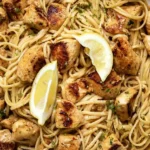
Cowboy Butter Chicken Linguine
- Total Time: 25 minutes
- Yield: 4 servings 1x
- Diet: General
Description
Delicious and zesty Cowboy Butter Chicken Linguine recipe. Tender chicken and al dente pasta in a flavorful cowboy butter sauce!
Ingredients
- 8 ounces linguine
- 1 ½ pounds boneless skinless chicken breasts, cut into 1-inch bites
- 2 tablespoons extra virgin olive oil
- ½ teaspoon paprika
- ½ teaspoon garlic salt
- ½ teaspoon kosher salt
- ¼ teaspoon pepper
- ¼ cup cowboy butter
- ¾ cup heavy cream
- 1 teaspoon garlic salt
- ¼ teaspoon crushed red pepper flakes
- ½ teaspoon lemon juice
- lemon slices, for garnish
- parsley, chopped for garnish
Instructions
- Step: Bring a large pot of salted water to a boil. Add the linguine and cook until al dente according to package instructions. Drain pasta and set aside.
- Step: To a large skillet over medium-high heat, add oil. Once hot, add the chicken in a single layer. Season chicken evenly with paprika, garlic salt, salt, and pepper. Cook for 3-4 minutes on one side, or until golden brown.
- Step: Nestle 2 tablespoons cowboy butter into the skillet. Flip pieces of chicken and cook until browned and cooked through to an internal temperature of 165°F, another 3-4 minutes.
- Step: Remove the chicken from the pan. Place onto a plate and tent to keep warm.
- Step: Reduce heat to low. Add the rest of the cowboy butter, heavy cream, garlic salt, and red pepper flakes. Use a spatula to scrape up the brown bits in the pan, and stir until the butter has melted.
- Step: Add the cooked linguine and chicken to the skillet, tossing to coat in the sauce.
- Step: Add lemon juice. Stir to combine.
- Step: Serve the dish garnished with lemon slices.
Notes
You can substitute linguine for any preferred pasta shape or use boneless, skinless chicken thighs instead of breasts. To add more nutrition, consider adding bell peppers, spinach, or cherry tomatoes.
- Prep Time: 10 minutes
- Cook Time: 15 minutes
- Category: Dinner
- Method: Stovetop
- Cuisine: American
Nutrition
- Serving Size: 1 serving
- Calories: 761 kcal
- Sugar: 6 g
- Sodium: 1150 mg
- Fat: 48 g
- Saturated Fat: 26 g
- Unsaturated Fat: 22 g
- Trans Fat: 0 g
- Carbohydrates: 48 g
- Fiber: 3 g
- Protein: 42 g
- Cholesterol: 175 mg