
These high-protein Philly Cheesesteak Bowls offer a savory, low-carb alternative to the classic sandwich. They are prepared in one skillet, making them an efficient choice for busy weeknights or organized meal prep.

List of ingredients
- 1 pound ground beef – use lean beef for a healthier option.
- 1/2 cup beef broth – adds moisture and depth to the sauce.
- 1 tablespoon Dijon mustard – provides a tangy flavor profile.
- 2 teaspoons olive oil – for sautéing the vegetables.
- 1 medium onion, diced – adds a sweet, aromatic base.
- 2 green bell peppers, diced – provides the classic cheesesteak flavor.
- 8 mushrooms, diced – adds an earthy richness and texture.
- 4 slices provolone cheese – for a creamy, melty finish.
- Salt, to taste – for seasoning the beef and vegetables.
- Black pepper, to taste – to add a subtle spicy warmth.
step-by-step instructions
- Sauté the Vegetables: Heat olive oil in a wide skillet over medium heat. Add the diced onion, green bell peppers, and mushrooms, sautéing for 8 to 10 minutes until they are softened and lightly caramelized. Remove the vegetables from the skillet and set them aside.
- Brown the Beef: Add the ground beef to the same skillet over medium heat. Season the meat with salt and pepper, cooking until browned and breaking it apart with a spatula to ensure even cooking.
- Combine and Simmer: Return the sautéed vegetables to the skillet with the browned beef. Stir in the beef broth and Dijon mustard, then simmer the mixture uncovered for 3 to 5 minutes until the liquid is slightly reduced.
- Melt the Cheese: Turn off the heat. Lay the provolone cheese slices across the top of the beef and vegetable mixture. Cover the skillet for 1 to 2 minutes, allowing the residual heat to melt the cheese completely.
- Serve: Spoon the mixture into bowls and serve immediately while hot.
Ways to Customize Your Bowl
Adding Spicy Elements
For those who enjoy a bit of heat, adding sliced jalapeños on top of the finished bowl is a great option. The spiciness of the peppers cuts through the richness of the melted provolone and savory beef. You can use fresh jalapeños for a crisp bite or pickled ones for a tangy kick.
Incorporating Fresh Herbs
Sprinkling chopped fresh parsley over the bowls just before serving adds a burst of color and freshness. This herbal note balances the heavy flavors of the cheese and meat. It is best to add the parsley at the very end to ensure it remains vibrant and doesn’t wilt.
Increasing the Vegetable Sweetness
While green bell peppers provide the traditional taste, adding diced red bell peppers introduces a natural sweetness. You can use a mix of both red and green peppers to create a visually appealing and more complex flavor profile. Sauté them together in the first step for consistent texture.
Low-Carb Serving Suggestions
Using Cauliflower Rice as a Base
To add volume to your meal without significantly increasing the carb count, serve the cheesesteak mixture over a bed of cauliflower rice. You can steam the cauliflower rice or sauté it with a bit of garlic. This base absorbs the savory beef broth and mustard sauce perfectly.
Adding Creamy Avocado Slices
Fresh avocado slices placed on the side or on top of the bowl provide healthy fats and a creamy contrast to the savory beef. The coolness of the avocado complements the warmth of the dish. A small pinch of salt or a squeeze of lime on the avocado enhances the overall flavor.
Drizzling with Hot Sauce
Adding a drizzle of your favorite hot sauce can elevate the flavor profile of the bowl. Whether you prefer a vinegar-based sauce or a creamy sriracha, the acidity helps brighten the dish. This is an easy way to customize the heat level for different family members.
Recommended Side Dishes
Garlic Butter Asparagus
Quickly sautéed asparagus in garlic butter provides a nutritious and crunchy side. The snap of the asparagus contrasts well with the softness of the sautéed mushrooms and beef. Cook them in a separate pan over medium-high heat for about 5 to 7 minutes.
Fresh Zucchini Noodles
Zucchini noodles, or zoodles, are an excellent low-carb companion to these bowls. They can be served raw for a refreshing crunch or lightly sautéed for a few minutes. They act as a light base that doesn’t overpower the main flavors of the cheesesteak.
Crispy Roasted Brussels Sprouts
Roasting Brussels sprouts at a high temperature until they are charred and crispy adds an earthy element to the meal. The caramelized edges of the sprouts pair well with the savory provolone cheese. Toss them in olive oil and salt before roasting at 400°F (200°C).
Simple Mixed Green Salad
A fresh green salad with a light vinaigrette offers a cooling contrast to the rich cheesesteak bowls. Use a mix of spinach, arugula, and romaine to add different textures. The acidity of the dressing helps cleanse the palate between bites.
Baked Kale Chips
For an added textural element, serve the bowls with a side of baked kale chips. These provide a salty, crunchy snack that remains low in carbohydrates. Bake the kale with a light coating of olive oil until it is crisp but not burnt.
Refreshing Cucumber Salad
A cucumber salad made with rice vinegar and a touch of sesame oil brings a cool, crisp balance to the warm beef. This side dish is particularly useful during warmer months. Thinly slice the cucumbers and let them marinate for 10 minutes before serving.
Expert Cooking Tips for Success
Selecting the Right Ground Beef
Using lean ground beef, such as 90% lean, helps prevent the bowls from becoming too greasy. If you use a higher-fat blend, be sure to drain the excess fat after browning the meat but before adding the broth. This ensures the sauce remains thick and flavorful rather than oily.
Perfecting the Vegetable Sauté
To achieve maximum flavor, sauté the onions and peppers until they are lightly caramelized. This process brings out the natural sugars in the vegetables, adding depth to the dish. Avoid overcrowding the pan, as this can lead to the vegetables steaming instead of browning.
Choosing the Best Melting Cheese
Provolone is the traditional choice for Philly cheesesteaks due to its mild flavor and excellent meltability. If you prefer a stronger taste, a sharp cheddar can be used, though it may not melt as smoothly. For a stretchier texture, mozzarella is a suitable alternative.
Balancing the Seasoning
Taste your beef mixture after simmering with the broth and mustard but before adding the cheese. Depending on the saltiness of your beef broth, you may need to adjust the added salt. Adding a pinch more black pepper at the end can enhance the savory notes.
Common Pitfalls to Avoid
Preventing Mushy Vegetables
One common mistake is overcooking the vegetables during the initial sauté phase. While they should be soft, they should still retain some structure and vibrant color. Aim for 8 to 10 minutes and remove them from the heat as soon as they reach the desired tenderness.
Avoiding Bland Meat
If the beef tastes bland, it is often because it wasn’t seasoned early enough. Always add salt and pepper directly to the beef while it is browning in the skillet. This allows the seasoning to penetrate the meat rather than just sitting on the surface.
Avoiding Low-Quality Pre-Shredded Cheese
Pre-shredded cheeses often contain cellulose or anti-clumping agents that prevent them from melting smoothly. For the best results, buy a block of provolone and slice it yourself. This ensures a creamy, cohesive layer of cheese over the beef.
The Importance of Not Skipping Broth
Skipping the beef broth can result in a dry and crumbly texture. The broth deglazes the pan, picking up the browned bits of meat and vegetables to create a light sauce. This sauce binds the ingredients together and keeps the beef moist.
Storage and Reheating Guide
Refrigerator Storage
Store any leftover cheesesteak bowls in an airtight container in the refrigerator. They will remain fresh and safe to eat for 3 to 4 days. Ensure the container is fully sealed to prevent the beef from absorbing other odors in the fridge.
Freezing Instructions
These bowls can be frozen for long-term storage. Allow the mixture to cool completely before transferring it to freezer-safe containers or heavy-duty freezer bags. They are best consumed within 2 to 3 months for optimal flavor and texture.
Oven Reheating Method
To reheat in the oven, preheat to 350°F (175°C). Place the leftovers in a covered baking dish and heat for approximately 20 minutes. Covering the dish is essential to prevent the cheese from drying out and the beef from becoming tough.
Microwave Reheating Method
For a faster option, use the microwave in short intervals of 1 to 2 minutes. Stir the mixture between intervals to ensure that the heat is distributed evenly and there are no cold spots. Add a teaspoon of water if the mixture looks too dry.
Stovetop Reheating Method
Reheating in a skillet over medium heat is the best way to preserve the texture. Stir occasionally and add a splash of beef broth or water if the sauce has thickened too much during storage. Heat until the cheese is melted and the beef is hot throughout.
Frequently Asked Questions
Can I use ground turkey instead of ground beef?
Yes, ground turkey is an excellent lean alternative that maintains the high-protein nature of the recipe. Since turkey is leaner than beef, you may need to add an extra teaspoon of olive oil to prevent the meat from sticking to the pan.
How can I make these bowls vegetarian?
To make a vegetarian version, replace the ground beef with a plant-based meat substitute or extra mushrooms and chickpeas. Use vegetable broth instead of beef broth to ensure the entire dish is plant-based while keeping the same savory flavor.
What sides pair best with these bowls?
Light, acidic, or crunchy sides work best to balance the richness of the cheese and beef. A simple mixed green salad, steamed broccoli, or roasted cauliflower are all great low-carb options that complement the meal.
Can I use different types of cheese?
Absolutely. While provolone is traditional, Swiss cheese offers a nuttier flavor, and mozzarella provides a milder taste with more stretch. Choose the cheese that best fits your flavor preference.
Print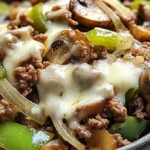
High Protein Philly Cheesesteak Bowls
- Total Time: 30 minutes
- Yield: 4 servings 1x
- Diet: Low Carb
Description
Indulge in the rich, savory goodness of Philly Cheesesteak Bowls (High Protein, Low Carb), a delicious twist on a classic dish. This one-skillet meal features seasoned ground beef, vibrant sautéed vegetables, and gooey provolone cheese, making it a perfect choice for weeknight dinners or meal prep.
Ingredients
- 1 pound ground beef
- 1/2 cup beef broth
- 1 tablespoon Dijon mustard
- 2 teaspoons olive oil
- 1 medium onion, diced
- 2 green bell peppers, diced
- 8 mushrooms, diced
- 4 slices provolone cheese
Instructions
- Step: Heat olive oil in a skillet over medium heat.
- Step: Sauté diced onion, green bell peppers, and mushrooms for 8 to 10 minutes until softened.
- Step: Remove vegetables from skillet; add ground beef, seasoning with salt and pepper. Cook until browned.
- Step: Return veggies to the skillet; stir in beef broth and Dijon mustard. Simmer uncovered for 3 to 5 minutes.
- Step: Turn off heat, lay provolone cheese over the mixture, cover for 1 to 2 minutes until melted.
- Step: Serve immediately in bowls.
Notes
Store leftovers in an airtight container in the refrigerator for 3 to 4 days. For a healthier option, use lean ground beef.
- Prep Time: 10 minutes
- Cook Time: 20 minutes
- Category: Main
- Method: Skillet
- Cuisine: American
Nutrition
- Serving Size: 1 serving
- Calories: 450 kcal
- Sugar: 3 g
- Sodium: 700 mg
- Fat: 27 g
- Saturated Fat: 11 g
- Unsaturated Fat: 15 g
- Trans Fat: 0 g
- Carbohydrates: 9 g
- Fiber: 2 g
- Protein: 32 g
- Cholesterol: 90 mg