
These buttered noodles are a quick and savory side dish cooked directly in a flavorful broth. They absorb seasonings during the cooking process, eliminating the need to drain the water.

List of ingredients
- 1 (14.5-ounce) can chicken broth – creates a savory liquid base.
- 1 cup water – ensures there is enough moisture for the noodles to soften.
- 1 chicken bouillon cube – intensifies the salty, savory depth of the dish.
- 1 stick butter, divided – half for boiling and half for finishing the glaze.
- 1 (12-ounce) package wide egg noodles – provides a hearty and chewy texture.
- 1/4 teaspoon garlic powder – adds a subtle aromatic quality.
- Freshly ground black pepper – provides a sharp, spicy contrast to the butter.
- Chopped parsley – used as a fresh garnish for color and taste.
step-by-step instructions
- Boil the base: Combine the chicken broth, water, bouillon cube, and half a stick of butter in a large nonstick skillet. Bring the mixture to a rolling boil over medium-high heat.
- Cook the noodles: Add the wide egg noodles to the skillet and cook for approximately 8 minutes. Stir frequently to prevent the noodles from sticking to the pan and to ensure they are evenly submerged. If the liquid evaporates too quickly, reduce the heat or add a small amount of extra water.
- Finish and garnish: Stir in the garlic powder and the remaining half stick of butter until melted and well combined. Remove the skillet from the heat, season with freshly ground black pepper, and sprinkle with chopped parsley before serving.
Flavor Enhancement Strategies
Adjusting Salt Levels
Because this recipe uses both broth and a bouillon cube, it can be quite salty. To reduce the sodium content, substitute the standard ingredients with low-sodium chicken broth and a reduced-sodium bouillon cube. This allows you to control the saltiness while maintaining the savory profile.
Incorporating Hard Cheeses
Grating fresh Parmesan or Pecorino Romano over the noodles just before serving adds a nutty, sharp dimension. The cheese melts slightly into the butter glaze, creating a richer coating. Use a fine grater to ensure the cheese distributes evenly across the noodles.
Using Fresh Garlic
While garlic powder provides a consistent taste, fresh minced garlic offers a bolder aroma. Sauté the minced garlic in the first half-stick of butter for 30 seconds before adding the broth and water. This prevents the garlic from burning while infusing the liquid with flavor.
Adding Fresh Herbs
Beyond parsley, adding a pinch of dried thyme or fresh rosemary during the boiling phase enhances the earthy notes. These herbs pair well with the chicken base and add a professional touch to the side dish. Ensure fresh herbs are finely chopped to avoid large stems in the noodles.
Ingredient Alternatives
Vegetable Broth Substitution
For a lighter taste, replace the chicken broth and chicken bouillon with vegetable broth and a vegetable bouillon cube. This maintains the cooking method and texture while changing the flavor profile. It remains a savory option that pairs well with a variety of main courses.
Different Pasta Shapes
While wide egg noodles are traditional, rotini, bow-ties, or shells can be used. Be aware that different shapes have different cook times; check the package instructions and adjust the simmering time accordingly. You may need to add an extra 1/2 cup of water for denser pasta shapes.
Plant-Based Butter Options
To make this recipe dairy-free, use a high-quality plant-based butter substitute. Most vegan butters have a similar melting point and flavor profile to dairy butter. Ensure the substitute is unsalted if you are using a full-strength bouillon cube to avoid over-salting.
Beef Bouillon Variation
Using a beef bouillon cube and beef broth creates a deeper, heartier flavor. This version is particularly effective when serving the noodles alongside a pot roast or steak. The darker color of the beef broth gives the noodles a more rustic appearance.
Cooking Technique Tips
Utilizing a Nonstick Skillet
A large nonstick skillet is essential because the noodles are not fully submerged in liquid. The nonstick surface prevents the starch from the noodles from bonding to the pan. This ensures that every noodle remains intact and avoids burnt patches on the bottom.
The Importance of Frequent Stirring
Since the noodles cook in a limited amount of liquid, they can easily clump together. Stirring every minute or two breaks up the clusters and ensures the broth reaches all surfaces of the pasta. This results in a uniform texture and consistent flavor absorption.
Managing Liquid Evaporation
If the heat is too high, the broth will evaporate before the noodles are tender. Maintain a gentle simmer rather than a vigorous boil once the noodles are added. If the pan looks dry but the noodles are still firm, add water one tablespoon at a time.
Determining Proper Doneness
The noodles are finished when they are tender but still have a slight resistance to the bite, known as al dente. Overcooking will lead to mushy noodles that lose their structure. Begin tasting the noodles at the 7-minute mark to ensure they are removed from the heat at the peak of texture.
Serving Suggestions
Pairing with Roasted Poultry
These noodles serve as an excellent accompaniment to roasted chicken or turkey. The savory broth base complements the natural flavors of the meat. Serve them on a bed of the noodles to allow the meat juices to mingle with the butter glaze.
Serving with Grilled Steaks
The richness of the buttered noodles balances the charred, smoky flavor of a grilled ribeye or sirloin. For a more complete meal, add a side of steamed asparagus or sautéed spinach. The creaminess of the noodles acts as a foil to the protein’s intensity.
Combining with Steamed Vegetables
To add nutritional balance, stir in steamed peas, carrots, or broccoli florets during the final minute of cooking. The vegetables will be coated in the butter and garlic sauce. This transforms the side dish into a more substantial vegetable-forward accompaniment.
Using as a Base for Stews
These noodles can be used as a foundation for beef stew or chicken fricassee. Instead of mixing the stew into the pot, place a portion of noodles in a bowl and ladle the stew over the top. This keeps the noodles from becoming overcooked in the stew’s liquid.
Storage and Preservation
Refrigerator Storage
Store leftover noodles in an airtight container in the refrigerator for up to three days. To prevent the noodles from drying out, press a piece of parchment paper directly onto the surface of the noodles before sealing the lid. This minimizes air exposure and maintains moisture.
Freezing Methods
While egg noodles can be frozen, they may soften upon thawing. To freeze, portion the noodles into small, freezer-safe bags and remove as much air as possible. Label the bags with the date and store them for up to two months.
Proper Thawing Process
The best way to thaw frozen noodles is to place them in the refrigerator overnight. This slow thaw helps maintain the structural integrity of the pasta. Avoid thawing them at room temperature, as this can lead to uneven moisture distribution.
Reheating Instructions
Microwave Reheating
Place a portion of noodles in a microwave-safe bowl and add a teaspoon of water or a small pat of butter. Cover the bowl with a damp paper towel to trap steam. Heat in 30-second intervals, stirring in between, until the noodles are heated through.
Stovetop Reheating
Place the noodles in a small skillet over low heat. Add a splash of chicken broth or water to loosen the starches and recreate the sauce. Stir gently until the butter remelts and the noodles are hot, taking care not to overcook them.
Oven Reheating
Transfer the noodles to a small baking dish and add a tablespoon of broth. Cover the dish tightly with aluminum foil to prevent evaporation. Heat at 300 degrees Fahrenheit for about 10-15 minutes until warmed through.
Make-Ahead Advice
Pre-measuring Ingredients
To reduce the active prep time to nearly zero, pre-measure the broth, water, and garlic powder into a single container. Store the butter in a separate dish. When ready to cook, simply pour the liquid mixture into the skillet, which streamlines the process.
Batch Cooking for the Week
You can double or triple the recipe to have side dishes ready for multiple meals. Use a larger skillet or a wide pot to ensure there is enough room for the noodles to move. Store the batches separately to make reheating easier and more consistent.
Troubleshooting Common Issues
Preventing Mushy Noodles
If the noodles consistently turn out too soft, reduce the cooking time by one minute. Start checking for doneness earlier. Additionally, ensure you are using wide egg noodles rather than thin noodles, as thinner varieties cook much faster.
Dealing with Excess Liquid
If there is too much liquid remaining after the 8-minute mark, increase the heat to medium-high for one minute. Stir constantly to reduce the sauce into a thick glaze. This ensures the butter clings to the noodles rather than pooling at the bottom.
Stopping Noodles from Sticking
Sticking usually occurs when there is not enough liquid or insufficient stirring. Ensure the nonstick skillet is appropriately sized for the amount of noodles. If sticking persists, add a tablespoon of extra butter during the initial boil.
Fixing Mild Flavor
If the result is too bland, add a pinch of extra bouillon powder or a dash of salt during the final stirring phase. A small squeeze of lemon juice can also brighten the flavors and make the butter and garlic notes more prominent.
Frequently Asked Questions
Can I use dry pasta instead of egg noodles?
Yes, you can use other dry pasta, but be aware that the absorption rate varies. Standard wheat pasta may require more liquid and a longer cooking time than egg noodles to reach the same tenderness.
Do I need to drain the water?
No, this recipe is designed so that the noodles absorb most of the liquid. The remaining liquid combines with the butter and garlic to create a natural sauce, eliminating the need for a colander.
Can I make this in a pot instead of a skillet?
You can use a pot, but a skillet is preferred because the wider surface area allows for faster evaporation and easier stirring. If using a pot, you may need to simmer the noodles slightly longer to reduce the liquid.
How do I prevent the butter from separating?
Prevent separation by removing the pan from the heat before stirring in the final half-stick of butter. The residual heat is enough to melt the butter and emulsify it with the remaining broth into a smooth glaze.
Print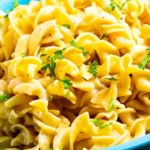
Savory Buttered Egg Noodles
- Total Time: 13 minutes
- Yield: 6 servings 1x
- Diet: General
Description
Buttered Noodles soak up lots of delicious salty flavor from cooking in chicken broth and chicken bouillon.
Ingredients
- 1 (14.5-ounce) can chicken broth
- 1 cup water
- 1 chicken or beef bouillon cube
- 1 stick butter, divided
- 1 (12-ounce) package wide egg noodles
- 1/4 teaspoon garlic powder
- freshly ground black pepper
- chopped parsley
Instructions
- Step 1: Combine broth, water, bouillon cube, and half the stick of butter in a large nonstick skillet. Bring to a boil.
- Step 2: Add noodles and cook, stirring frequently for about 8 minutes.
- Step 3: Add garlic powder and remaining butter and stir well. Remove from heat and season with pepper and sprinkle with parsley.
Notes
The finished noodles will be fairly salty. If you want them less salty, use reduced sodium broth or a reduced sodium bouillon cube.
- Prep Time: 5 minutes
- Cook Time: 8 minutes
- Category: Side Dish
- Method: Stovetop
- Cuisine: American
Nutrition
- Serving Size: 1 serving
- Calories: 355 kcal
- Sugar: 1 g
- Sodium: 296 mg
- Fat: 18 g
- Saturated Fat: 10 g
- Unsaturated Fat: 6 g
- Trans Fat: 1 g
- Carbohydrates: 41 g
- Fiber: 2 g
- Protein: 8 g
- Cholesterol: 88 mg