
This easy slow cooker recipe produces an incredibly rich and velvety macaroni and cheese without needing to boil the pasta first. It is a convenient method for preparing a comforting side dish that stays creamy for hours.

List of ingredients
- 1 pound elbow pasta, uncooked – use a high-quality semolina brand for best results.
- 2 1/2 cups whole milk – plus extra for thinning the sauce before serving.
- 1 (12-ounce) can evaporated milk – provides essential richness and stability.
- 1 (11-ounce) can condensed cheddar cheese soup – ensures a silky, non-gummy texture.
- 1/2 cup sour cream – adds a slight tang and creamy thickness.
- 8 ounces cheddar cheese, shredded – grate from a block to avoid additives.
- 8 ounces Monterey Jack cheese, shredded – adds excellent meltability.
- 1 teaspoon salt – for seasoning.
- 1/2 teaspoon black pepper – for basic flavor.
- 1/2 teaspoon dry mustard – enhances the sharpness of the cheese.
- 1 teaspoon onion powder – adds a savory depth.
- 1/8 teaspoon nutmeg – provides a subtle aromatic warmth.
- 1/8 teaspoon cayenne – adds a hint of heat.
- 1/4 cup butter, cut into 1/4 inch cubes – dots the top for richness.
- 2 tablespoons butter – for the breadcrumb topping.
- 2 cups panko – for a light, crispy crust.
- 1/4 teaspoon salt – for the topping.
- 1/4 teaspoon pepper – for the topping.
- 1 teaspoon dried thyme leaves – adds herbal notes to the crust.
- 1/2 cup grated parmesan – adds a salty, nutty finish to the topping.
step-by-step instructions
- Prepare the pot: Spray the interior of a 6-quart slow cooker with non-stick cooking spray to prevent sticking.
- Ready the pasta: Place uncooked elbow pasta in a colander, rinse thoroughly with cold water, and drain well. Add the rinsed pasta to the slow cooker.
- Mix the sauce: In a large mixing bowl, stir together the 2 1/2 cups whole milk, evaporated milk, condensed cheddar cheese soup, sour cream, shredded cheddar, shredded Monterey Jack, salt, black pepper, dry mustard, onion powder, nutmeg, and cayenne until the mixture is smooth.
- Combine: Pour the sauce over the pasta and stir well. Press down on the noodles if necessary to ensure they are fully submerged in the liquid.
- Add butter: Distribute the 1/4 cup of butter cubes evenly across the top of the mixture.
- Slow cook: Cover the crockpot and cook on the low setting for 1 hour.
- Check progress: Remove the lid and stir the mixture. Check if the pasta has reached the desired doneness.
- Continue cooking: If the pasta is not yet tender, cover and cook for an additional 1 to 2 hours. Check every 20 to 30 minutes to prevent overcooking, as slow cooker temperatures vary.
- Make the topping: While the pasta cooks, melt 2 tablespoons of butter in a large skillet. Add panko, 1/4 teaspoon salt, 1/4 teaspoon pepper, and thyme. Cook on medium heat, stirring frequently until the crumbs are golden and crispy.
- Finish topping: Remove from heat, allow to cool slightly, and stir in the grated parmesan.
- Final step: Once the mac and cheese is fully cooked, sprinkle the breadcrumbs evenly over the surface.
- Warm and serve: Cover the crockpot, set the dial to the keep warm setting for 5 minutes, and serve immediately.
Optimizing Pasta Texture and Quality
Use Semolina-Based Pasta for Structure
Choosing a sturdy pasta made with semolina flour is critical for slow cooker recipes. Semolina has a higher gluten content, which allows the noodles to maintain their shape and resist becoming mushy during the long cooking process. Avoid using thin or delicate pasta shapes that may collapse under the weight of the cheese sauce.
Rinse Pasta to Remove Excess Starch
Rinsing the uncooked pasta in cold water before adding it to the crockpot removes surface starches. This prevents the noodles from clumping together during the first hour of cooking. It also helps achieve a smoother, more consistent sauce texture by reducing the amount of loose starch entering the liquid.
Prevent Overcooking Through Frequent Checks
Slow cookers vary significantly in temperature; some run hotter than others regardless of the setting. Start checking the pasta doneness at the one-hour mark and continue every 20 minutes. Pulling the dish off the heat just as the pasta reaches al dente ensures it does not turn into a paste.
Secrets for a Silky Cheese Sauce
Shred Cheese Fresh from the Block
Pre-shredded cheeses are coated in cellulose or potato starch to prevent clumping in the bag. These anti-caking agents interfere with the melting process, often resulting in a grainy or gritty sauce. Grating your own cheddar and Monterey Jack ensures the fats emulsify perfectly into the milk for a glossy finish.
Utilize Evaporated Milk for Stability
Evaporated milk is a concentrated dairy product with less water than regular milk, which provides a thicker base. This concentration helps stabilize the emulsion of fats from the butter and cheese. It prevents the sauce from separating or breaking during the slow heating process.
Adjust Thickness with Warm Milk
Pasta continues to absorb liquid as it sits on the keep warm setting. If the sauce becomes too thick or appears dry before serving, stir in a tablespoon or two of warm milk. Using warm milk instead of cold prevents temperature shocks that could cause the cheese to seize.
Control Temperature to Avoid Graininess
Extreme heat can cause the proteins in dairy to tighten and separate from the fats. By cooking on low and avoiding the high setting, the cheese melts gently. This slow integration maintains the creamy integrity of the sauce and prevents an oily layer from forming on top.
Customizing the Flavor Profile
Incorporate Fresh Vegetables
To add nutrition and color, stir in steamed broccoli florets, sautéed spinach, or diced bell peppers during the last 30 minutes of cooking. Adding them too early may result in overcooked, mushy vegetables. These additions provide a fresh contrast to the rich cheese sauce.
Add Savory Protein Mix-ins
This recipe pairs well with diced cooked ham, grilled chicken breast, or browned ground beef. For the best results, fold in the pre-cooked proteins once the pasta is tender. This ensures the meat stays juicy and does not overcook in the slow cooker.
Experiment with Cheese Varieties
While cheddar and Monterey Jack are classic, you can substitute Monterey Jack with Gruyère for a nuttier flavor or Pepper Jack for a spicy kick. Keep the total cheese volume the same to maintain the sauce’s ratio of liquid to solids.
Enhance the Spice Blend
For a deeper flavor, increase the amount of dry mustard or add a pinch of smoked paprika. Smoked paprika adds a woody depth that mimics a baked mac and cheese. Adjust the cayenne pepper based on your preferred level of heat.
Pairing and Serving Suggestions
Balance with Acidic Side Salads
The richness of a cheese-heavy dish is best balanced by a side with acidity. A crisp garden salad with a lemon-based vinaigrette or a tangy coleslaw helps cleanse the palate between bites. Fresh cucumber salads are also an excellent refreshing accompaniment.
Pair with Hearty Main Courses
Serve this mac and cheese as a side to roasted meats like meatloaf, BBQ ribs, or roasted chicken. The creamy texture complements the smoky or savory flavors of grilled and roasted proteins. It also serves as a filling base for a family-style dinner.
Choose Light Sweet Desserts
After a heavy meal, opt for fruit-based desserts to keep the palate refreshed. A sliced fruit platter, a light berry tart, or a peach cobbler provides a sweet finish without being overly rich. Avoid heavy chocolate desserts to prevent the meal from feeling too weighted.
Storage and Reheating Guidelines
Proper Refrigeration Techniques
Store leftover mac and cheese in an airtight container in the refrigerator for up to four days. Because the pasta continues to absorb moisture over time, the dish will thicken significantly in the fridge. Ensure the container is sealed tightly to prevent the pasta from drying out.
Microwave Reheating for Single Servings
When reheating in the microwave, add a splash of milk to the portion and cover it with a damp paper towel. Heat in 30-second intervals, stirring in between. This method redistributes the heat and helps the sauce return to its original creaminess.
Oven Reheating for Large Quantities
For larger portions, place the mac and cheese in an oven-safe dish and cover it with aluminum foil. Reheat at 350°F (175°C) for 15 to 20 minutes. The foil traps the steam, preventing the edges from burning while the center warms through.
Avoid Freezing Dairy-Based Pasta
Freezing is not recommended for this recipe because the dairy emulsion often breaks upon thawing. This leads to a grainy texture and separated oils. Additionally, the pasta structure degrades during the freezing and thawing process, resulting in mushy noodles.
Planning and Troubleshooting
Make-Ahead Assembly
You can assemble the pasta, sauce, and butter in the slow cooker insert up to 24 hours in advance. Cover the insert and store it in the refrigerator. When ready to cook, place the cold insert into the crockpot and add an extra 15 to 30 minutes to the total cooking time.
Adjusting for Different Slow Cookers
Digital slow cookers often have more precise temperature controls than older manual models. If you have an older model that runs hot, check the pasta every 15 minutes after the first hour. If you have a very large crockpot, the cooking time may increase slightly due to the larger volume of food.
Resolving Oil Separation
If you notice oil pooling on the surface, it is usually a sign of overcooking or using low-quality cheese. To fix this, stir the mixture vigorously while adding a small amount of warm milk. This helps re-emulsify the fats back into the sauce.
Fixing Under-cooked Pasta
If the pasta is still too firm after the initial time, continue cooking on low in 20-minute increments. Avoid switching to the high setting, as this can scorch the bottom of the pot and cause the cheese sauce to break.
Frequently Asked Questions
Can I use a different type of pasta?
Yes, you can use shells, cavatappi, or penne. Ensure the pasta is a sturdy semolina variety to prevent it from becoming too soft during the slow cooking process.
Why is my mac and cheese grainy?
Graininess is typically caused by using pre-shredded cheese, which contains starch coatings, or by overheating the sauce. Using freshly grated cheese and keeping the cooker on the low setting prevents this.
Can I make this ahead of time?
Yes, you can assemble all ingredients in the crockpot and refrigerate them for 24 hours. Just remember to increase the cooking time slightly to account for the cold start.
How do I reheat leftovers?
Reheat gently on the stovetop over low heat or in the microwave, adding a small amount of milk to loosen the sauce. For large amounts, use the oven at 350°F covered with foil.
Can I double the recipe?
Yes, but you must use a slow cooker with at least 7 to 8 quarts of capacity. Be aware that doubling the volume may increase the cooking time, so monitor the pasta closely.
Can I freeze crockpot mac and cheese?
It is not recommended. The dairy sauce tends to separate and the pasta becomes mushy after thawing, which ruins the texture of the dish.
Print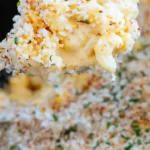
Creamy Crockpot Mac and Cheese
- Total Time: 2 hours 15 minutes
- Yield: 8 servings 1x
- Diet: General
Description
This extra creamy crockpot mac and cheese is rich, velvety, and incredibly easy to make, requiring no pre-boiling of the pasta.
Ingredients
- 1 pound elbow pasta, uncooked
- 2 1/2 cups whole milk
- 1 (12-ounce) can evaporated milk
- 1 (11-ounce) can condensed cheddar cheese soup
- 1/2 cup sour cream
- 8 ounces cheddar cheese, shredded
- 8 ounces Monterey Jack cheese, shredded
- 1 teaspoon salt
- 1/2 teaspoon black pepper
- 1/2 teaspoon dry mustard
- 1 teaspoon onion powder
- 1/8 teaspoon nutmeg
- 1/8 teaspoon cayenne
- 1/4 cup butter, cut into 1/4 inch cubes
- 2 tablespoons butter
- 2 cups panko
- 1/4 teaspoon salt
- 1/4 teaspoon pepper
- 1 teaspoon dried thyme leaves
- 1/2 cup grated parmesan
Instructions
- Step 1: Spray a 6-quart slow cooker with non-stick cooking spray.
- Step 2: Rinse elbow pasta in cold water, drain well, and add to the crockpot.
- Step 3: Stir together whole milk, evaporated milk, condensed cheddar cheese soup, sour cream, cheddar cheese, Monterey Jack cheese, salt, black pepper, dry mustard, onion powder, nutmeg, and cayenne until smooth; pour over pasta, stir, and dot the top with 1/4 cup butter cubes.
- Step 4: Cover and cook on low for 1 hour, then stir and check pasta doneness; continue cooking for 1-2 hours more if needed, checking every 20-30 minutes.
- Step 5: Melt 2 tablespoons butter in a skillet, add panko, salt, pepper, and thyme, cook on medium until toasted, cool, and stir in parmesan.
- Step 6: Sprinkle bread crumbs over the cooked mac and cheese, cover and set to keep warm for 5 minutes before serving.
Notes
Use sturdy semolina pasta to maintain shape. Shred cheese from the block to avoid anti-caking agents that cause graininess. Stir in a splash of warm milk if the sauce thickens while sitting.
- Prep Time: 15 minutes
- Cook Time: 2 hours
- Category: Main Course
- Method: Slow Cooking
- Cuisine: American
Nutrition
- Serving Size: 1 serving
- Calories: 760 kcal
- Sugar: 12 g
- Sodium: 1271 mg
- Fat: 40 g
- Saturated Fat: 24 g
- Unsaturated Fat: 13 g
- Trans Fat: 1 g
- Carbohydrates: 66 g
- Fiber: 3 g
- Protein: 32 g
- Cholesterol: 113 mg