
This Korean Beef Bulgogi recipe delivers a smoky, savory, and tender result with a balanced touch of sweetness. It is a restaurant-quality dish that is easy to prepare at home using a simple, enzyme-rich marinade. Enjoy it as a hearty main course served over rice or tucked into fresh lettuce wraps.

List of ingredients
- 2 pounds flank steak (sirloin, tenderloin, or Ribeye) – thinly sliced across the grain.
- 2 tablespoons vegetable oil (divided) – for high-heat searing.
- 2 green onions (thinly sliced) – used for a fresh garnish.
- 1 teaspoon toasted sesame seeds – adds a nutty finish.
- 1/4 cup reduced-sodium soy sauce – provides the primary salty and umami base.
- 1 tablespoon rice vinegar – adds a subtle tang to balance the sugar.
- 3 tablespoons light brown sugar – creates the characteristic sweetness and caramelization.
- 2 tablespoons sesame oil – delivers a rich, toasted aroma.
- 5 cloves garlic (minced) – for pungent, aromatic depth.
- 1 tablespoon freshly grated ginger – adds a bright, spicy note.
- 1/2 cup Asian pear (grated) – contains enzymes that tenderize the meat.
- 1/8 teaspoon red pepper flakes – provides a very mild hint of warmth.
step-by-step instructions
- Chill the Steak: Wrap the flank steak in plastic wrap and place it in the freezer for 3 hours. Once firm, unwrap and slice across the grain into 1/4-inch thick slices.
- Marinate: In a medium bowl, combine the soy sauce, rice vinegar, brown sugar, sesame oil, minced garlic, grated ginger, grated Asian pear, and red pepper flakes. Pour the mixture and the steak slices into a gallon-size Ziploc bag and marinate for at least 2-3 hours or overnight, turning the bag occasionally.
- Cook: Heat a large cast-iron grill pan over medium-high heat and add 1 tablespoon of vegetable oil. Working in batches, add the steak slices in a single layer and cook until charred, flipping only once after about 2-3 minutes per side. Use the remaining 1 tablespoon of oil for the subsequent batches.
- Serve: Serve the cooked beef immediately over warm white rice. Garnish the dish with sliced green onions and toasted sesame seeds.
Beef Selection and Preparation
Choosing the Right Cut of Meat
Flank steak is the traditional choice because it has a strong grain that absorbs marinade well. If you prefer a more luxurious texture, sirloin or beef tenderloin are excellent alternatives. Ribeye can also be used for those who prefer a higher fat content and more richness.
Slicing Against the Muscle Grain
To ensure the meat is tender, always slice perpendicular to the muscle fibers. Look for the long lines running through the steak and cut across them. This breaks up the tough connective tissues, making the beef easy to chew.
The Partial Freezing Technique
Freezing the meat for a few hours firms up the fibers, allowing for much thinner and more precise slices. This is essential for achieving that classic thin-sliced Bulgogi texture. If the meat feels too soft to slice, return it to the freezer for another 30 minutes.
Marinade Component Details
The Role of Asian Pear
Asian pears contain an enzyme called calpain, which naturally breaks down the tough proteins in beef. This chemical reaction tenderizes the meat far more effectively than acid alone. If Asian pears are unavailable, a sweet Bosc pear or a Granny Smith apple can serve as a substitute.
Balancing Sweetness and Salt
The combination of brown sugar and soy sauce creates a savory-sweet profile known as umami. The sugar not only tastes good but also helps the meat caramelize and char in the pan. Rice vinegar is included to cut through the richness of the sesame oil and sugar.
Using Fresh Aromatics
Freshly minced garlic and grated ginger provide a much more vibrant flavor than powdered versions. The raw ginger adds a zesty heat that complements the sweetness of the pear. Ensure the ginger is peeled and finely grated to distribute the flavor evenly.
Cooking and Searing Techniques
Using a Cast Iron Skillet
A cast iron pan is ideal because it retains heat exceptionally well. This allows the beef to sear quickly and develop a dark, caramelized crust. Make sure the pan is smoking slightly before adding the oil and meat.
Preventing Meat Steaming
Avoid overcrowding the pan by cooking the beef in small batches. If too much meat is added at once, the temperature drops and the beef releases juices, causing it to steam rather than sear. A single layer of meat ensures a proper char.
Timing the Flip
Allow the beef to sit undisturbed for 2-3 minutes on the first side. Flipping the meat too often prevents the formation of the caramelized crust. Once the edges are browned and charred, flip once to finish the other side.
Ingredient Substitutions and Alternatives
Alternative Sweeteners
If you do not have light brown sugar, honey or maple syrup can be used. Honey provides a thicker glaze, while maple syrup adds a slightly different woody sweetness. Adjust the quantity slightly as honey can be sweeter than brown sugar.
Vinegar Substitutions
Rice vinegar is mild and sweet, making it perfect for Asian dishes. If you are out of rice vinegar, apple cider vinegar is a suitable replacement. Avoid using distilled white vinegar, as it may be too harsh for this delicate balance.
Soy-Free Options
For those avoiding soy, coconut aminos are a great alternative that provide a similar salty-sweet profile. While the flavor is slightly different, it maintains the integrity of the dish. Coconut aminos are typically lower in sodium than traditional soy sauce.
Serving and Pairing Options
Traditional Rice Pairings
Steamed short-grain white rice is the most common accompaniment for Bulgogi. The neutral flavor of the rice absorbs the extra marinade from the beef. For a healthier option, brown rice or quinoa also work well.
Low-Carb Lettuce Wraps
Using large leaves of Romaine or Red Leaf lettuce allows you to enjoy the beef without grains. Place a piece of beef in the leaf and add a slice of raw garlic or a dollop of ssamjang. This adds a refreshing crunch and lightness to the meal.
Complementary Side Dishes
Pair this dish with fermented kimchi or a spicy cucumber salad to provide acidity. The acidity of pickled vegetables cuts through the richness of the sesame oil. Pickled radish is another classic pairing that adds a crisp texture.
Storage and Preservation Tips
Refrigeration Guidelines
Store leftover cooked beef in an airtight container in the refrigerator for up to four days. Keep the beef separate from the rice to prevent the rice from becoming mushy. Ensure the container is sealed tightly to keep the flavors fresh.
Long-Term Freezing
Cooked Bulgogi freezes well for up to three months. Place the cooled beef in a freezer-safe Ziploc bag and squeeze out as much air as possible. This prevents freezer burn and preserves the quality of the marinade.
Best Reheating Methods
To reheat, use a skillet over medium heat with a tiny splash of water or oil. Stir-fry the beef for a few minutes until heated through. Avoid microwaving for long periods, as this can make the thinly sliced beef rubbery.
Troubleshooting and Texture Fixes
Preventing Tough or Chewy Meat
Chewy meat is usually the result of slicing with the grain or not marinating long enough. Always ensure the cuts are perpendicular to the muscle fibers. If the beef is still tough, increase the marinating time to a full 24 hours.
Avoiding Mushy Beef
Marinating for too long can sometimes cause the pear enzymes to over-tenderize the meat. If the beef becomes mushy, reduce the marinating time to 4-6 hours. Avoid using pineapple or kiwi, as their enzymes are even more aggressive than pear.
Fixing an Overly Sweet Taste
If the final dish tastes too sweet, add a squeeze of fresh lime juice or an extra splash of soy sauce. The acid from the lime or the salt from the soy will balance the sugar. This can be done during the final stages of cooking.
Vegetable Addition Guide
Incorporating Sliced Carrots
Thinly sliced carrots add a bright color and a subtle sweetness. Add them to the pan during the last two minutes of cooking. This ensures they are tender-crisp rather than mushy.
Using Fresh Bok Choy
Bok choy provides a refreshing, watery crunch that pairs well with the rich beef. Sauté the stems first, then add the leaves at the very end until they wilt. This maintains the structural integrity of the vegetable.
Adding Shiitake Mushrooms
Shiitake mushrooms enhance the umami profile of the dish. Slice them thinly and sauté them in the pan before adding the beef. The mushrooms will soak up the beef juices and become incredibly flavorful.
Meal Planning and Preparation
Advanced Marinade Prep
You can mix the marinade in a large batch and store it in a jar for up to a week. When you are ready to cook, simply slice your beef and combine it with the pre-made sauce. This significantly reduces the active prep time on busy weeknights.
Portioning for the Week
Divide the marinated beef into individual freezer bags based on serving size. Freeze the raw marinated beef for a quick meal later in the month. Simply thaw the bag in the refrigerator overnight before searing.
Coordinating the Meal
Start the rice cooker first, as rice takes the longest to prepare. While the rice steams, sear the beef in batches. This timing ensures that the meat is served hot and the rice is perfectly fluffy.
Frequently Asked Questions
Why is my bulgogi tough?
Toughness usually occurs if the beef is sliced along the grain instead of across it. It can also happen if the meat is sliced too thick. Always use the partial freezing method to ensure thin, tender slices.
Is bulgogi spicy?
This specific recipe is not very spicy, as it only uses a small amount of red pepper flakes for warmth. If you prefer more heat, you can add a tablespoon of Korean chili paste or a drizzle of sriracha.
Can I marinate the beef too long?
Yes, marinating beyond 24 hours may cause the meat to lose its structure and become mushy. The enzymes in the pear are powerful and will eventually break down the fibers too much. Aim for 2 to 24 hours for the best results.
Print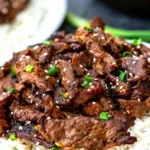
Korean Beef Bulgogi
- Total Time: 3 hours
- Yield: 4 servings 1x
- Diet: General
Description
My Korean Beef Bulgogi is smoky, juicy, and perfectly tender, with just the right touch of sweetness. The secret is in the marinade, a flavorful blend of soy sauce, sesame oil, and grated Asian pear, which gives the beef incredible flavor.
Ingredients
- 2 pounds flank steak (sirloin, tenderloin, or Ribeye)
- 2 tablespoons vegetable oil (divided)
- 2 green onions (thinly sliced)
- 1 teaspoon toasted sesame seeds
- 1/4 cup reduced-sodium soy sauce
- 1 tablespoon rice vinegar
- 3 tablespoons light brown sugar
- 2 tablespoons sesame oil
- 5 cloves garlic (minced)
- 1 tablespoon freshly grated ginger
- 1/2 cup Asian pear (grated)
- 1/8 teaspoon red pepper flakes
Instructions
- Chill the Steak: Wrap the flank steak in plastic wrap, and place in the freezer for 3 hours. Unwrap and slice across the grain into 1/4-inch thick slices.
- Marinate: In a medium bowl, combine all the “Marinade” ingredients. Add them to a gallon size Ziploc bag, and add the steak slices. Marinate for at least 2-3 hours or overnight, turning the bag occasionally.
- Cook: Place a large cast-iron grill pan over medium-high heat and once heated through add 1 tablespoon of vegetable oil. Once the oil is hot, working in batches, add the steak slices to the pan in a single layer and cook until charred, flipping once, it takes about 2-3 minutes per side to cook. Add the remaining 1 tablespoon of vegetable oil and cook the rest of the steak. Serve immediately over white rice. If desired, garnished it with chopped green onions and toasted sesame seeds.
Notes
Partially freeze the beef to make slicing thinner and easier. For the best charring, use a hot cast-iron grill pan and cook in batches to avoid steaming the meat. Marinating overnight maximizes tenderness and flavor.
- Prep Time: 15 minutes
- Cook Time: 15 minutes
- Category: Main Course
- Method: Pan-searing
- Cuisine: Korean
Nutrition
- Serving Size: 1 serving
- Calories: 503 kcal
- Sugar: 11 g
- Sodium: 657 mg
- Fat: 27 g
- Saturated Fat: 12 g
- Unsaturated Fat: 15 g
- Trans Fat: 0 g
- Carbohydrates: 14 g
- Fiber: 1 g
- Protein: 50 g
- Cholesterol: 136 mg