
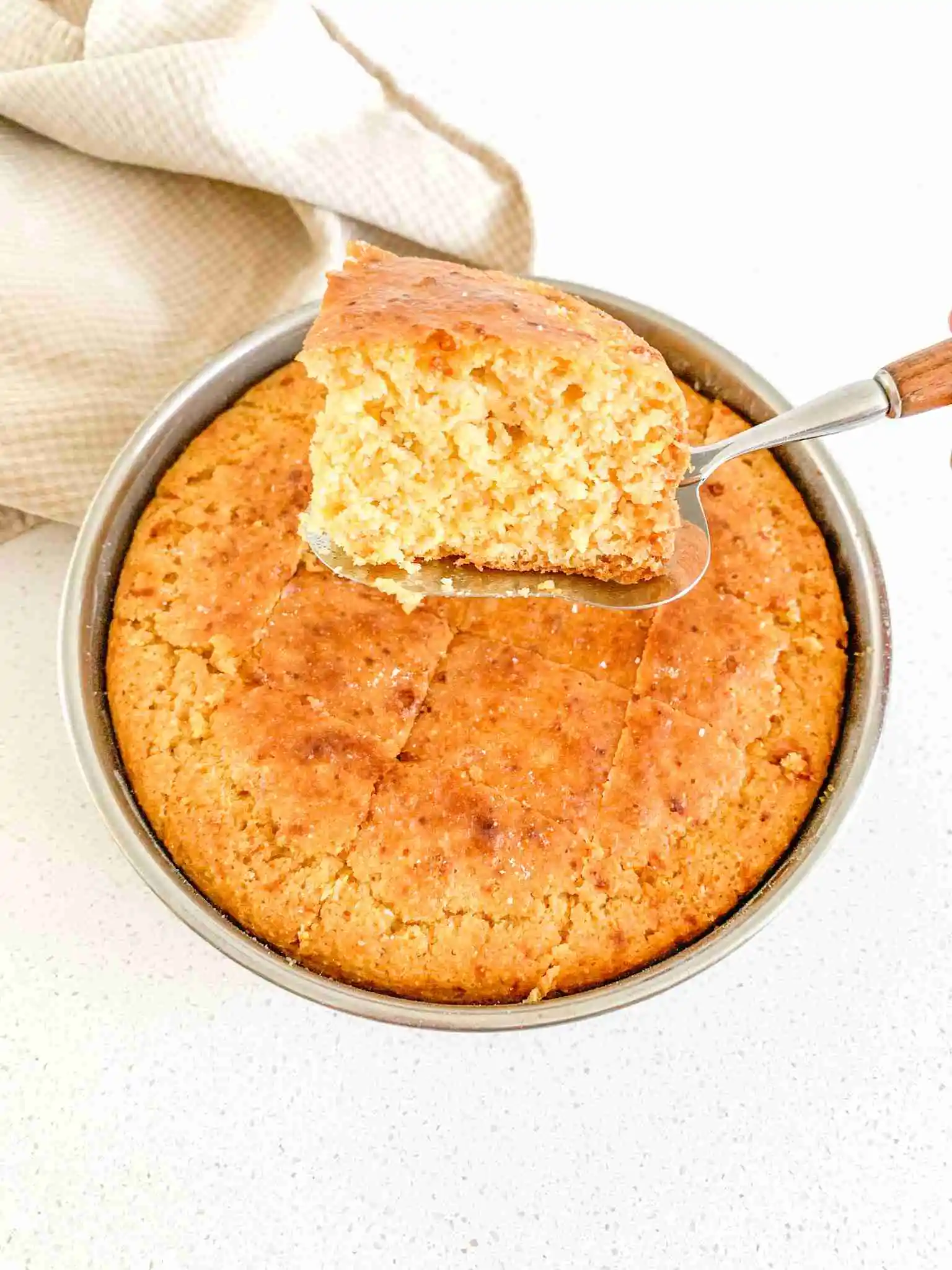
A classic, golden slice of cornbread is the ultimate comfort food side dish. Finding the perfect cornbread recipe that delivers a moist texture, a tender crumb, and just the right touch of sweetness can sometimes feel like an endless search. Fortunately, this honey sourdough cornbread recipe bridges the gap between traditional Southern-style cornbread and modern sourdough baking. By incorporating sourdough discard, you introduce a subtle tang that balances the natural sweetness of raw honey, resulting in a complex and incredibly satisfying flavor profile. Whether you are serving it alongside a steaming bowl of chili, pairing it with smoky barbecue, or simply enjoying a warm slice slathered in butter, this recipe is guaranteed to become a staple in your kitchen.
Why Sourdough Discard Works in Cornbread
If you keep a sourdough starter, you know how quickly discard can accumulate in your refrigerator. Instead of letting it go to waste, adding it to a cornbread recipe is one of the smartest kitchen hacks you can employ. Sourdough discard brings two major elements to baking: unique flavor and improved texture.
First, the natural lactic acid present in sourdough discard gives the cornbread a very gentle acidity. This tanginess offsets the rich sweetness of the honey and cornmeal, preventing the bread from tasting flat or overly sugary. Second, that same acidity plays an important chemical role when mixed with leaveners. The acid reacts with the baking soda in the batter, creating an immediate release of carbon dioxide bubbles. This reaction helps the cornbread rise beautifully, resulting in a lighter, fluffier crumb rather than a dense, heavy block.
Furthermore, because this recipe uses only a couple of tablespoons of discard, you do not need to worry about an overwhelming sourdough flavor. It simply enhances the overall depth of the bread, making it taste far more complex than anything you could prepare from a store-bought box mix.
Choosing the Right Cornmeal
The texture of your cornbread is heavily dependent on the grind of the cornmeal you choose. Cornmeal generally comes in three varieties: fine, medium, and coarse. For this specific cornbread recipe, a fine or medium grind is highly recommended. Fine ground cornmeal absorbs liquid quickly and creates a uniform, cake-like texture that melts in your mouth.
If you prefer a more rustic texture with a distinct bite, a medium grind works wonderfully. However, if you only have medium or coarse cornmeal on hand and want a softer crumb, there is an easy solution. Simply place your coarse cornmeal into a high-powered food processor or blender and pulse it for 30 to 60 seconds until it reaches a fine, powdery consistency. This simple step ensures that your cornbread will not turn out gritty or dry.
Whenever possible, seek out organic yellow or white cornmeal. Yellow cornmeal provides a beautiful, bright golden color and a robust corn flavor, while white cornmeal offers a slightly milder, delicate taste. Both options perform beautifully in this batter.
Essential Ingredients for Honey Sourdough Cornbread
This recipe relies on simple, wholesome pantry staples. Each ingredient plays a specific role in creating the ultimate texture and flavor:
- Egg: Provides structure and binding power, helping the cornbread hold together when sliced.
- Raw Honey: Adds natural moisture and a delicate, floral sweetness. Using honey instead of refined white sugar keeps the crumb exceptionally soft and moist.
- Sea Salt: Balances the sweetness of the honey and enhances the natural flavor of the corn.
- Baking Powder & Baking Soda: This dual-leavening system ensures a perfect rise. The baking soda specifically reacts with the acidic sourdough discard.
- Melted Butter: Salted butter brings richness and a classic savory depth to the batter.
- Milk: Adds liquid to hydrate the cornmeal and flour. Whole milk is preferred for the richest flavor, but any milk will work.
- Sourdough Discard: You can use discard straight from the fridge. It adds moisture, acidity, and a subtle sourdough tang.
- Cornmeal: The star of the show. Fine or medium ground yellow or white cornmeal provides the classic base.
- All-Purpose Flour: Provides the gluten structure necessary to prevent the cornbread from becoming too crumbly.
- Toppings: Extra melted butter and a pinch of flaky sea salt applied immediately after baking create an irresistible, glistening crust.
Step-by-Step Instructions
Step 1: Prep the Cornmeal
Before mixing any ingredients, check the texture of your cornmeal. If you are using a medium or coarse grind and prefer a finer texture, place 3/4 cup of the cornmeal into a dry blender or food processor. Blend until it achieves a fine, flour-like consistency. If you already have finely ground cornmeal, you can skip this step entirely.
Step 2: Whisk the Wet Ingredients and Leaveners
In a medium mixing bowl, combine 1 egg, 1/3 cup of raw honey, 1 1/2 teaspoons of sea salt, 1 teaspoon of baking powder, and 1 teaspoon of baking soda. Whisk these together until they are thoroughly combined. Next, whisk in 3 tablespoons of melted salted butter, 1 1/4 cups of milk, and 2 tablespoons of sourdough discard. Continue whisking until the mixture is smooth and the sourdough discard is fully incorporated without any lumps.
Step 3: Add the Dry Ingredients
Add 3/4 cup of cornmeal and 1 cup of all-purpose flour directly into the wet mixture. Use a spatula or wooden spoon to gently fold the ingredients together just until combined. Be careful not to overmix; overmixing will develop the gluten in the flour, making the cornbread dense rather than tender. The resulting batter should be smooth and easily pourable.
Step 4: Optional Long Fermentation
If you want to maximize the digestive benefits of sourdough, you can ferment the batter. Cover the bowl tightly and place it in the refrigerator for 12 to 24 hours. The cold temperature slows down the yeast while allowing the lactic acid bacteria to break down the grains, resulting in a more digestible cornbread with a slightly deeper sourdough flavor. If you are short on time, you can skip this fermentation step and bake the cornbread immediately.
Step 5: Preheat and Prep the Pan
When you are ready to bake, preheat your oven to 400 degrees Fahrenheit (204 degrees Celsius). Prepare a 9-inch round cake pan by greasing the bottom and sides thoroughly with a little butter. Dust the greased pan with a tablespoon of all-purpose flour, tapping the pan upside down over the sink to shake out any excess flour. This creates a non-stick barrier so your cornbread releases effortlessly.
Step 6: Bake to Perfection
Pour the prepared batter into your greased and floured cake pan, spreading it evenly. Place the pan on the center rack of your preheated oven. Bake for 28 to 32 minutes. The cornbread is done when the top is a beautiful golden brown and a toothpick inserted into the center comes out clean.
Step 7: The Final Touch
As soon as you remove the hot cornbread from the oven, brush the top generously with melted butter. Immediately sprinkle a pinch of coarse or flaky sea salt over the buttered surface. Let it cool slightly in the pan before slicing and serving warm.
Pro Tips for the Best Cornbread Texture
To ensure your cornbread turns out perfectly moist every single time, keep these essential baking tips in mind:
- Do Not Overmix: When you combine the wet and dry ingredients, stir only until the flour disappears. A few small lumps in the batter are completely fine. Over-stirring will lead to a tough, dry texture.
- Adjust for Starter Hydration: Sourdough starters can vary in consistency. If your discard is very runny, your batter might be slightly thin. Ensure your starter has a thick, paste-like consistency when measured. If your batter seems too watery, you can add an extra tablespoon of flour.
- Avoid Overbaking: Oven temperatures can vary. Start checking your cornbread around the 25-minute mark. Overbaking is the number one cause of dry cornbread. The edges should be lightly pulling away from the pan, and the top should feel springy to a light touch.
- Use Milk Instead of Water: The fats in milk are crucial for creating a soft crumb. Avoid substituting water for the milk, as this will lead to a drier, less flavorful bread.
Creative Variations and Substitutions
While this honey sourdough cornbread recipe is spectacular on its own, it also serves as a fantastic canvas for various additions and substitutions:
- Make It Spicy: Fold in half a cup of finely diced fresh jalapeños and a handful of sharp cheddar cheese into the batter just before baking. You can also splash a tablespoon of pickled jalapeño juice into the wet ingredients for a subtle, tangy heat.
- Buttermilk Swap: For an even tangier flavor profile, swap the regular milk for whole buttermilk. The extra acid in buttermilk will make the crumb even more tender.
- Egg-Free Alternative: If you need to make this recipe without eggs, you can substitute the single egg with 1/4 cup of sour cream or unsweetened applesauce. This maintains the moisture levels without altering the flavor significantly.
- Add Herbs: Stir in a tablespoon of finely chopped fresh rosemary or thyme to give the cornbread an earthy, herbaceous aroma that pairs perfectly with roasted meats.
How to Serve Sourdough Cornbread
This versatile side dish complements a wide variety of meals. Here are some of the best ways to enjoy your fresh bake:
- With Soups and Stews: Pair a warm slice of cornbread with a hearty chili, chicken tortilla soup, or a creamy potato soup. The dense yet tender crumb is perfect for dipping.
- Barbecue Accompaniment: Serve it alongside smoked brisket, pulled chicken, or roasted ribs. The sweetness of the honey balances the smoky, savory flavors of BBQ beautifully.
- Simple Breakfast: Toast a slice of leftover cornbread, drizzle it with extra raw honey, and serve it alongside scrambled eggs and fresh fruit.
- Holiday Stuffing: Allow any leftover cornbread to dry out for a day, then crumble it up to use as a base for a flavorful sourdough cornbread stuffing or dressing.
Storage and Reheating Guide
To keep your cornbread tasting fresh and moist, store it properly based on when you plan to eat it:
At Room Temperature: Wrap the completely cooled cornbread tightly in plastic wrap or place it in an airtight glass container. It will keep well at room temperature for 3 to 4 days.
In the Refrigerator: If you want it to last slightly longer, store it in an airtight container in the fridge for up to 1 week. Note that refrigeration can sometimes dry out baked goods, so reheating is highly recommended.
Freezer Instructions: Sourdough cornbread freezes beautifully. Cut the cooled bread into individual slices, wrap each slice tightly in plastic wrap, and place them inside a freezer-safe zip-top bag. Store in the freezer for 3 to 6 months. To thaw, simply leave a slice on the counter at room temperature for about an hour.
Reheating: To restore that freshly baked texture, wrap a slice of cornbread in aluminum foil and warm it in a 350°F (175°C) oven for 8 to 10 minutes. Alternatively, you can microwave a slice for 15 to 20 seconds wrapped in a damp paper towel to keep it incredibly soft.
Frequently Asked Questions
Can I make this recipe in a cast-iron skillet?
Yes, you can easily adapt this cornbread recipe for a cast-iron skillet. Grease a 9-inch cast-iron skillet with a tablespoon of butter and place it in the oven while it preheats. Once the oven and skillet are hot, carefully pour the batter into the hot skillet. This will give your cornbread a wonderfully crispy, caramelized bottom crust. Reduce the baking time slightly, as the hot iron will speed up the cooking process.
What can I use instead of honey?
If you do not have raw honey, you can easily substitute it with pure maple syrup or light agave nectar. Both options will provide a similar liquid sweetness and keep the cornbread moist. If you prefer a more traditional, less sweet Southern cornbread, you can reduce the amount of honey to 2 tablespoons.
Can I make these into muffins instead?
Absolutely! To make sourdough corn muffins, line a standard 12-cup muffin tin with paper liners or grease them thoroughly. Pour the batter evenly into the cups, filling them about three-quarters full. Bake at 400°F (204°C) for 15 to 18 minutes, or until the tops are golden and a toothpick inserted into the center of a muffin comes out clean.
PrintThe Best Honey Sourdough Cornbread Recipe (Moist & Sweet)
- Total Time: 35 minutes
- Yield: 1 (9-inch cake pan) 1x
Description
A moist, golden honey sourdough cornbread recipe that perfectly balances sweet and savory. Topped with melted butter and flaky sea salt right out of the oven!
Ingredients
- 1 egg
- 1/3 cup raw honey
- 1 1/2 tsp sea salt
- 1 tsp baking powder
- 1 tsp baking soda
- 3 Tbsp salted butter, melted
- 1 1/4 cup milk
- 2 Tbsp sourdough discard
- 3/4 cup white or yellow cornmeal (fine or medium ground)
- 1 cup all purpose flour
- Toppings: melted butter and a pinch of sea salt
Instructions
- Prep Cornmeal: If using a medium or coarse ground cornmeal, place it in a food processor or blender and blend until fine. If using finely ground cornmeal, skip this step.
- Whisk Wet Ingredients: In a mixing bowl, whisk together the egg, honey, sea salt, baking powder, baking soda, melted butter, milk, and sourdough discard until smooth and combined.
- Add Dry Ingredients: Add in the cornmeal and all-purpose flour. Fold gently with a spatula just until combined. The batter should be smooth and pourable.
- Optional Fermentation: If desired, cover the batter and place it in the refrigerator for 12 to 24 hours to cold ferment for enhanced flavor and digestive benefits.
- Preheat and Prep Pan: Preheat your oven to 400°F (204°C). Grease and flour a 9-inch round cake pan, tapping out any excess flour.
- Bake: Pour the batter into the prepared pan and bake for 28 to 32 minutes, or until the top is golden brown and a toothpick inserted in the center comes out clean.
- Add Toppings: Remove from the oven and immediately brush the top with melted butter and sprinkle with a pinch of flaky sea salt. Let cool slightly before slicing.
Notes
Ensure your sourdough discard is of a thick consistency (from a 50% hydration starter) so the batter consistency remains pourable but not watery. If your discard is very runny, you may need to add 1-2 extra tablespoons of flour.
- Prep Time: 5 minutes
- Cook Time: 30 minutes
- Category: Side Dish
- Method: Baking
- Cuisine: Southern