
Making a truly exceptional carrot cake is an art form that balances warm spices, deep sweetness, and structural moisture. This classic carrot cake recipe is engineered to deliver an incredibly tender, rich, and deeply flavorful cake that stands head and shoulders above standard bakery offerings. By utilizing a unique method of letting grated carrots sit with brown sugar before baking, we unlock the natural sweetness and moisture of the root vegetable, creating a syrup that keeps the cake soft for days. This method, paired with crushed pineapple and plump raisins, yields a cake that is beautifully spiced and structurally perfect.
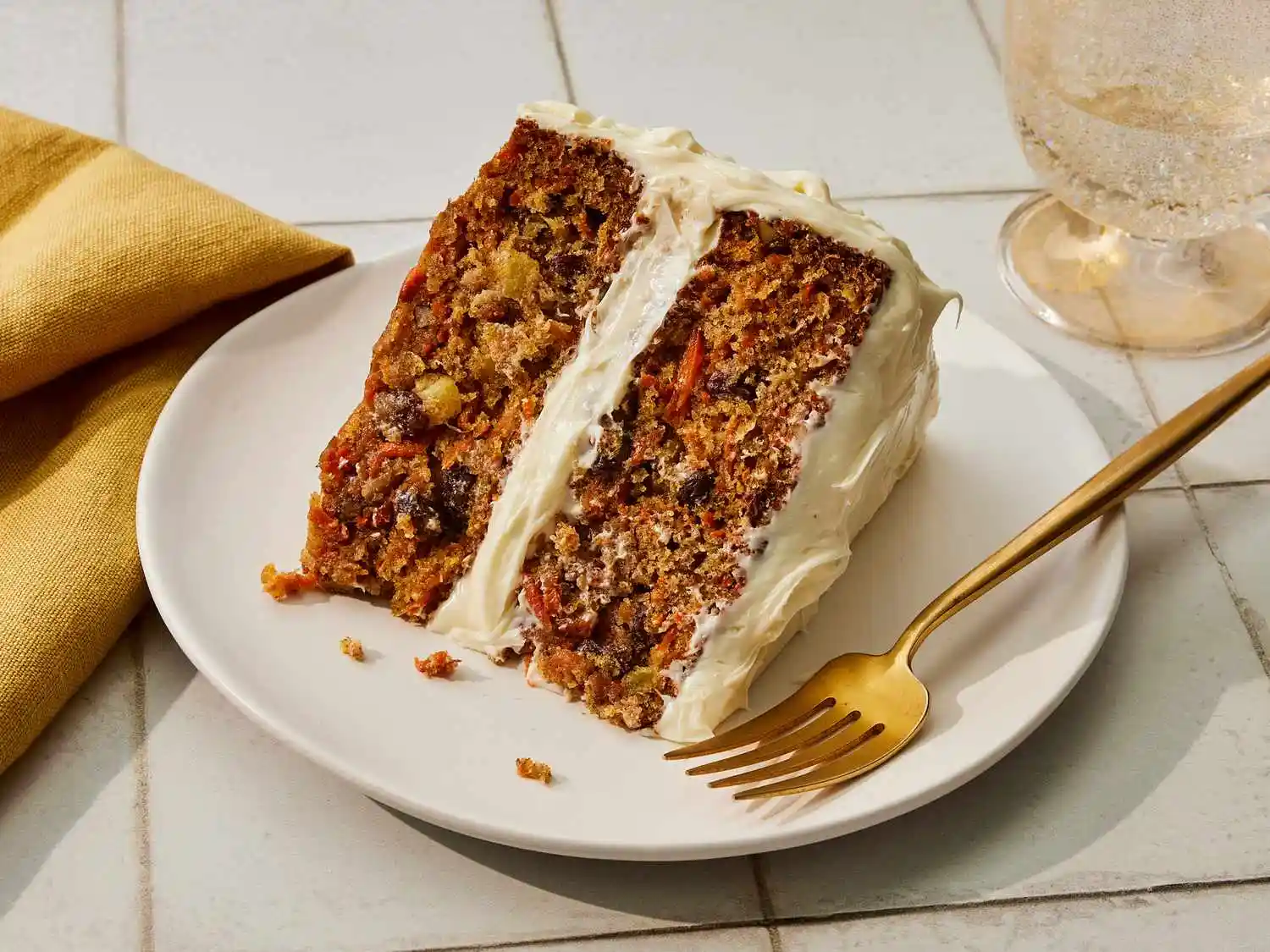
Whether you are celebrating a family milestone, prepping a holiday dessert, or simply satisfying a craving for home-baked comfort food, this comprehensive guide will walk you through the science, ingredients, and step-by-step techniques required to bake the best carrot cake ever from scratch.
The Science of Moisture: Why This Recipe Works
Carrot cakes can easily fall victim to two extremes: they are either dry and crumbly from too much flour, or dense, heavy, and soggy from unmanaged wet ingredients. This recipe solves both problems by using carefully balanced structural fat and a pre-treatment technique called maceration.
First, we mix the grated carrots directly with brown sugar and let them sit for one full hour. Because sugar is hygroscopic (meaning it attracts and binds water), it draws out the natural moisture from the carrots via osmosis. This creates a deeply flavorful carrot-sugar syrup. When we stir the raisins into this mixture, they absorb this sweet liquid, swelling up and becoming incredibly juicy before they even touch the cake batter. This ensures that the raisins do not draw moisture away from the cake crumb during the baking process.
Second, this recipe relies on vegetable oil instead of butter. While butter adds a lovely dairy flavor, its solid fat structure can make spice cakes feel heavy and dry when cooled. Vegetable oil remains liquid at room temperature and when chilled, ensuring that every bite of your cake retains a silky, melt-in-your-mouth crumb structure even after refrigeration.
Key Ingredient Breakdown
Every ingredient in this recipe plays a crucial role in balancing flavor, texture, and rise. Here is what you will need to gather:
- Grated Carrots (6 cups): Use fresh, whole carrots and grate them yourself. Pre-shredded packaged carrots from the grocery store are often treated to prevent moisture loss, making them dry, stiff, and lacking in sweet flavor. Grating them freshly yields a softer texture and better moisture integration.
- Brown Sugar (1 cup): Adds moisture, a hint of caramel flavor, and initiates the carrot maceration process.
- Raisins (1 cup): Provides sweet, chewy pockets of dried fruit throughout the cake. They get plumped up in the macerated carrot syrup.
- Eggs (4 large): The primary emulsifier and binder. Beating the eggs until they are pale and light in color incorporates air, providing crucial lift to counteract the heavy carrot and fruit mix-ins.
- White Sugar (1.5 cups): Sweetens the batter and helps tenderize the gluten structure in the flour for a soft crumb.
- Vegetable Oil (1 cup): Keeps the cake exceptionally moist and soft over several days.
- Vanilla Extract (2 teaspoons): Enhances the warmth of the cinnamon and rounds out the sugars.
- Crushed Pineapple (1 cup, drained): Pineapple adds natural acidity which tenderizes the flour gluten, while contributing subtle tropical sweetness and excellent moisture. Be sure to drain it well so as not to water down the batter.
- All-Purpose Flour (3 cups): Provides the structural backbone of the cake. Be sure to measure using the spoon-and-level method to avoid adding too much dry weight.
- Ground Cinnamon (4 teaspoons): The main spice profile of the cake. It offers a warm, comforting aroma and deep flavor.
- Baking Soda (1.5 teaspoons): Reacts with the natural acids in the brown sugar and pineapple to create carbon dioxide, giving the heavy batter its rise.
- Salt (1 teaspoon): Sharpens all the sweet and spiced notes, preventing the cake from tasting flat.
- Chopped Walnuts (1 cup): Adds a crucial textural contrast with a buttery, earthy crunch. You can substitute pecans if preferred, or omit them entirely for a nut-free version.
Step-by-Step Baker’s Guide
Step 1: Macerate the Carrots
In a medium mixing bowl, combine your 6 cups of freshly grated carrots with 1 cup of brown sugar. Stir them together thoroughly so that the sugar coats the carrot shreds. Set the bowl aside at room temperature for 1 hour. During this time, you will notice a significant amount of dark, sweet liquid pool at the bottom of the bowl. After the hour is up, stir in the 1 cup of raisins, allowing them to sit in the liquid and begin hydrating while you prepare the remaining steps.
Step 2: Prep Pans and Beat Eggs
Preheat your oven to 350°F (175°C). Grease two 10-inch round cake pans with nonstick spray or butter, then dust them with flour, tapping out any excess. This dual-barrier method prevents the sticky, moist cake batter from adhering to the pan sides. In a large mixing bowl, crack your 4 eggs and beat them using an electric hand mixer or stand mixer until they are significantly lighter in color and slightly foamy. This takes about 2 to 3 minutes and establishes a strong protein matrix for structural rise.
Step 3: Build the Wet Base
Gradually pour the 1.5 cups of white sugar, 1 cup of vegetable oil, and 2 teaspoons of vanilla extract into the beaten eggs while continuing to mix on low speed. Once the oil and sugars are fully emulsified with the eggs, fold in the 1 cup of drained crushed pineapple using a spatula until evenly distributed.
Step 4: Combine and Sift Dry Ingredients
In a separate medium bowl, whisk together the 3 cups of all-purpose flour, 4 teaspoons of ground cinnamon, 1.5 teaspoons of baking soda, and 1 teaspoon of salt. Slowly add this dry mixture to your wet egg-and-sugar mixture. Stir gently with a wooden spoon or spatula just until the flour is fully absorbed and no dry pockets remain. Do not overmix at this stage, as overworking the flour can develop excess gluten, leading to a tough, bready cake texture.
Step 5: Fold in Mix-Ins and Bake
Gently fold the macerated carrot and raisin mixture (including any accumulated sugary juices) along with the 1 cup of chopped walnuts into the thick batter until evenly combined. Divide the batter equally between your two prepared 10-inch pans. Bake in the preheated oven for 45 to 50 minutes. To test for doneness, insert a wooden toothpick into the exact center of each cake layer; it should come out clean or with a few moist crumbs attached, but no wet batter.
Step 6: Cool and Depan
Remove the pans from the oven and place them on wire cooling racks. Allow the cakes to cool in their pans for exactly 10 minutes. This allows the delicate crumb structure to set slightly so the cakes do not crack when flipped. Carefully run a thin knife around the edges of the pans, invert the cakes onto the wire racks, and remove the pans. Let the layers cool completely to room temperature before attempting to frost them.
The Perfect Cream Cheese Frosting Companion
A classic carrot cake is incomplete without its velvety, tangy partner: cream cheese frosting. While the cake itself is dairy-free, the traditional pairing elevates the warm cinnamon spice beautifully. To make a simple, sturdy frosting that holds up between the cake layers, use the following recipe:
- Ingredients: 8 ounces of brick-style cream cheese (softened), 1/2 cup of unsalted butter (softened), 1 teaspoon of vanilla extract, and 3 to 4 cups of sifted powdered sugar.
- Method: In a medium bowl, beat the softened cream cheese and butter together until completely smooth and free of lumps. Add the vanilla extract. Gradually add the powdered sugar one cup at a time, beating on low speed until smooth and spreadable. If your frosting feels too soft, refrigerate it for 20 to 30 minutes to firm up before assembly.
Baker’s Tips for Success
To ensure your carrot cake turns out picture-perfect every time, keep these expert baking tips in mind:
- Control the Moisture: Crushed pineapple holds a massive amount of water. Press the pineapple into a fine-mesh strainer with a spoon to remove the excess juice before adding it to your batter. Excess juice can throw off the liquid-to-dry ratio and lead to a soggy center.
- Toast Your Walnuts: For maximum flavor, spread your chopped walnuts on a baking sheet and toast them at 350°F (175°C) for 6 to 8 minutes until fragrant. Let them cool completely before folding them into the batter.
- Grate Carrots Thinly: Use the fine or medium side of your box grater. Large, thick carrot chunks will not soften completely during baking, resulting in a distracted texture. Thin shreds will melt beautifully into the crumb.
How to Store and Freeze Carrot Cake
Because of the high moisture content from the carrots and pineapple, as well as the perishable nature of cream cheese frosting, proper storage is key to maintaining freshness.
Refrigeration: Once the cake is assembled and frosted, store it in a covered cake dome or airtight container in the refrigerator. It will remain fresh and moist for up to 5 days. For the best flavor and texture, let individual slices sit at room temperature for 15 to 20 minutes before serving so the frosting and cake crumb soften slightly.
Freezing Unfrosted Layers: If you want to make the cake ahead of time, you can freeze the baked, completely cooled cake layers. Wrap each layer tightly in two layers of plastic wrap, followed by a layer of heavy-duty aluminum foil. Freeze for up to 3 months. Thaw overnight in the refrigerator before frosting.
Freezing Frosted Cake: You can also freeze individual slices of the frosted cake. Place the slices on a baking sheet in the freezer for 1 hour until the frosting is frozen solid, then wrap them tightly in plastic wrap and store them in an airtight freezer container.
PrintThe Best Moist Carrot Cake Recipe with Pineapple and Raisins
- Total Time: 2 hours 15 minutes
- Yield: 16 servings 1x
Description
This is the ultimate moist carrot cake recipe, packed with sweet macerated carrots, raisins, crushed pineapple, and warm cinnamon. Perfect for special occasions and topped with rich cream cheese frosting.
Ingredients
- 6 cups grated carrots
- 1 cup brown sugar
- 1 cup raisins
- 4 large eggs
- 1.5 cups white sugar
- 1 cup vegetable oil
- 2 teaspoons vanilla extract
- 1 cup crushed pineapple, drained
- 3 cups all-purpose flour
- 4 teaspoons ground cinnamon
- 1.5 teaspoons baking soda
- 1 teaspoon salt
- 1 cup chopped walnuts
Instructions
- Macerate: In a medium bowl, combine the grated carrots and brown sugar. Let sit at room temperature for 1 hour, then stir in the raisins.
- Prep & Beat: Preheat your oven to 350°F (175°C). Grease and flour two 10-inch round cake pans. In a large bowl, beat the eggs with an electric mixer until light in color and slightly frothy.
- Add Wet: Gradually beat the white sugar, vegetable oil, and vanilla extract into the eggs. Stir in the drained crushed pineapple.
- Dry Mix: In a separate bowl, whisk together the flour, cinnamon, baking soda, and salt. Stir this dry mixture into the wet egg mixture until just absorbed.
- Fold & Fill: Gently fold the macerated carrot-raisin mixture (along with its juices) and the chopped walnuts into the batter. Divide the batter evenly between your prepared cake pans.
- Bake: Bake in the preheated oven for 45 to 50 minutes, or until a toothpick inserted in the center of the cakes comes out clean.
- Cool: Cool the cakes in their pans for 10 minutes, then invert them onto wire racks to cool completely before frosting.
Notes
Ensure your pineapple is drained thoroughly by pressing it in a sieve to avoid an overly wet batter. For the best results, grate whole carrots by hand or in a food processor rather than buying pre-packaged shredded carrots.
- Prep Time: 20 minutes
- Cook Time: 45 minutes
- Category: Dessert
- Method: Baking
- Cuisine: American
Nutrition
- Serving Size: 1 slice
- Calories: 457 kcal
- Sugar: 43 g
- Sodium: 315 mg
- Fat: 20 g
- Saturated Fat: 3 g
- Unsaturated Fat: 0 g
- Carbohydrates: 66 g
- Fiber: 3 g
- Protein: 6 g
- Cholesterol: 47 mg