
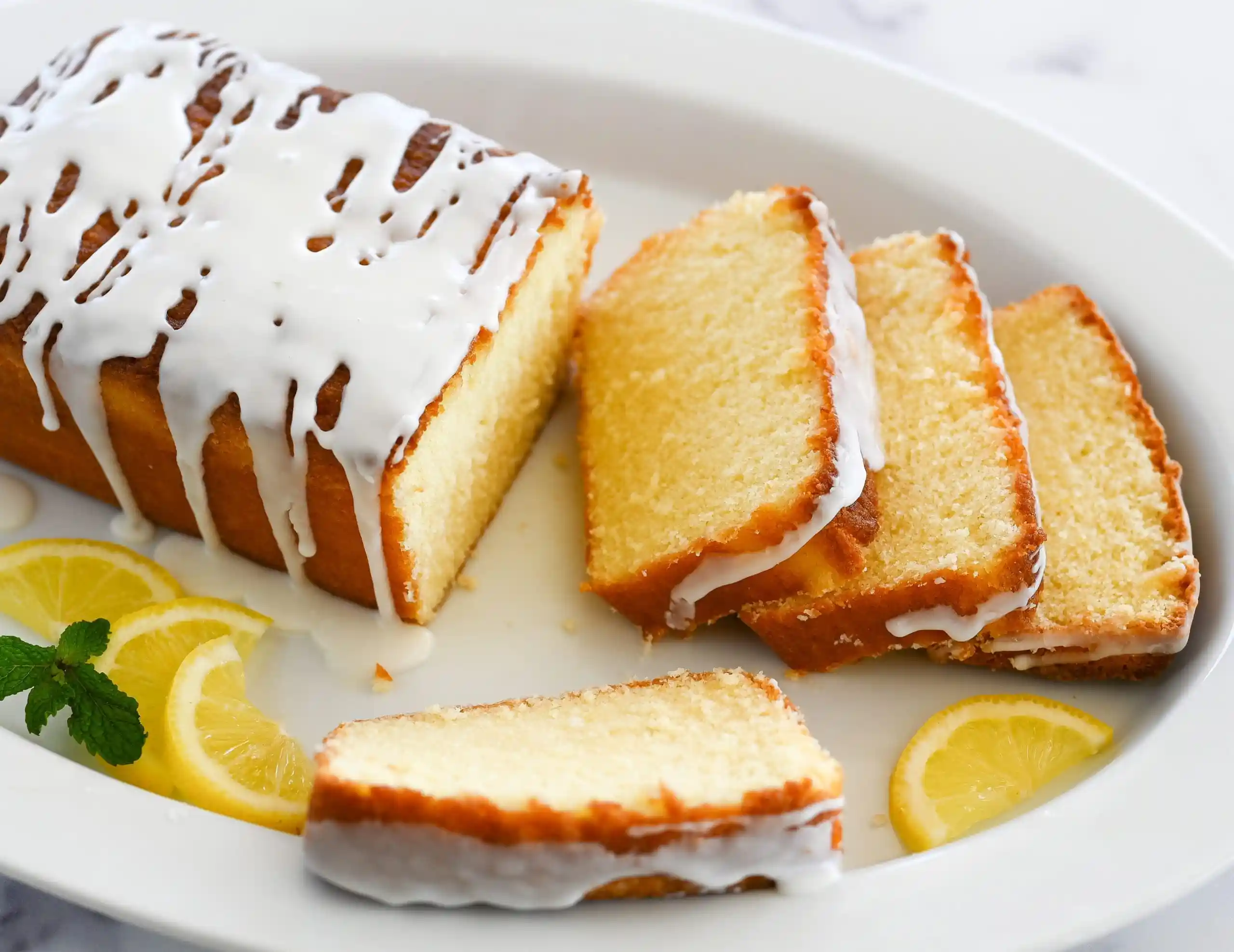
Finding the perfect lemon pound cake recipe is a culinary quest that many home bakers undertake, only to be disappointed by dry crumbs, artificial citrus flavorings, or heavy, sodden textures. This perfected recipe strikes the ultimate balance, yielding two beautiful loaves that are extraordinarily moist, rich with butter, and deeply infused with natural, bright lemon flavor. By leveraging the science of buttermilk, fresh lemon zest, a deeply penetrative lemon-infused simple syrup, and a sweet-tart glaze, this recipe delivers bakery-quality results from the comfort of your own kitchen. Whether you are hosting an elegant afternoon tea, preparing a weekend brunch dessert, or simply seeking a comforting treat to pair with your morning coffee, this double-loaf recipe guarantees absolute success.
The Chemistry of a Moist, Tender Crumb
To understand why this lemon pound cake stands out, it helps to look at the chemistry of baking. Traditional pound cakes rely purely on a heavy ratio of flour, sugar, butter, and eggs. While delicious, this old-school ratio can sometimes feel dense or dry. This recipe introduces two crucial elements to redefine the texture: baking soda and buttermilk.
Buttermilk is highly acidic, which plays a dual role in your batter. First, the acid weakens gluten strands, preventing the cake from becoming tough and rubbery. Second, when the acidic buttermilk meets the alkaline baking soda, a chemical reaction occurs that produces tiny carbon dioxide bubbles. These bubbles expand in the oven, lifting the heavy batter and creating an airy, velvet-like crumb structure. Additionally, the fat content in buttermilk adds a subtle tang that beautifully complements the sweetness of the sugar and the bright notes of the lemon.
Why Fresh Lemons Are Non-Negotiable
When a cake has “lemon” in the title, it must deliver clear, vibrant citrus notes. To achieve this, we avoid artificial extracts and bottled lemon juices entirely. Bottled lemon juice contains preservatives that dull the flavor, leaving a harsh, metallic aftertaste. Fresh lemons, on the other hand, contain volatile citrus oils in their skin and clean, puckery citric acid in their juice.
For this recipe, you will need approximately four to five large, plump lemons. Always zest your lemons before you squeeze them; trying to grate the skin of a collapsed, juiced lemon half is an exercise in frustration. Use a fine rasp grater or Microplane, taking care to only shave off the yellow exterior of the skin. The white layer beneath, known as the pith, is intensely bitter and will ruin the delicate sweetness of your cake. The zest is packed with essential oils that disperse throughout the fat in the butter, carrying the aroma into every single bite.
Key Ingredients and Their Functions
Before you preheat your oven, gather these key ingredients and understand their essential roles in the baking process:
- All-Purpose Flour: This provides the structural framework of the cake. To prevent your pound cake from turning out dry and dense, avoid scooping the flour directly from the bag with your measuring cup. This compresses the flour, adding up to twenty percent more than needed. Instead, fluff the flour, spoon it gently into your measuring cup, and level it off with a flat knife.
- Unsalted Butter: Butter provides flavor, moisture, and tenderness. It must be properly softened to room temperature (roughly 65°F to 68°F). If the butter is too cold, it will not trap enough air during the creaming process. If it is too warm or greasy, the air pockets will collapse, resulting in a heavy cake with a dense line at the bottom.
- Granulated Sugar: Beyond adding sweetness, sugar is highly hygroscopic, meaning it attracts and binds moisture, keeping the baked loaves soft for days.
- Large Eggs: Eggs provide the emulsion that holds the fat and liquid together, while also supplying the structure that traps expanding gases in the oven. Ensure your eggs are at room temperature so they incorporate smoothly without curdling the creamed butter.
Step-by-Step Instructions
1. Prep the Oven and Pans
Preheat your oven to 350°F (175°C) with the rack positioned in the center. Spray two 8½ x 4½-inch (22 x 11-cm) loaf pans with nonstick cooking spray. To ensure effortless release, line the long sides of the pans with parchment paper “slings,” allowing a bit of overhang on each side. Spray the parchment lightly once more.
2. Combine the Dry and Wet Ingredients
In a medium bowl, thoroughly whisk together 3 cups of spooned-and-leveled all-purpose flour, ½ teaspoon of baking soda, and ½ teaspoon of salt. This even distribution of leavening and salt is critical to achieving an even rise. In a separate small bowl or liquid measuring cup, combine 1 cup of buttermilk with 2 tablespoons of packed, finely grated lemon zest and 2 tablespoons of fresh lemon juice. Setting this mixture aside allows the lemon zest to steep in the buttermilk, infusing it with aromatic oils.
3. Cream the Butter and Sugar
In the bowl of your stand mixer fitted with the paddle attachment (or using handheld beaters), cream 1 cup of softened unsalted butter and 2¼ cups of granulated sugar. Beat on medium speed for 3 to 4 minutes until the mixture looks pale, fluffy, and light. Do not rush this step; this is where you build the micro-air pockets that give the cake its lift. Scrape down the sides of the bowl, then add 3 large room-temperature eggs one at a time, beating well after each addition to give the fat and water in the batter time to form a stable emulsion.
4. Alternating Additions
With the mixer running on low speed, add one-quarter of your flour mixture, followed by one-third of the buttermilk mixture. Continue alternating in this manner, ending with the final quarter of flour. This alternating technique prevents the gluten from over-developing and keeps the batter from splitting. Give the bowl a final scrape with a rubber spatula to ensure no dry pockets remain at the bottom.
5. Bake to Perfection
Divide the thick, velvety batter evenly between your two prepared loaf pans. Smooth the tops with a spatula. Bake for 55 to 65 minutes. The cakes are done when the tops are deeply golden, split slightly down the middle, and a wooden toothpick inserted into the center comes out clean or with a few moist crumbs. Place the loaf pans on a wire cooling rack and let them cool inside the pans for 10 minutes. Run a thin knife along the unlined short edges of the pans to loosen them. Gently grasp the parchment paper overhangs, lift the cakes out of their pans, and place them directly onto the wire rack to cool for about 1 hour.
The Double-Drizzle Finish: Syrup and Glaze
What elevates this recipe from a standard cake to the absolute best lemon pound cake is the two-step finishing process.
The Lemon Syrup: While the cakes are cooling, combine 2 tablespoons of water and 2 tablespoons of granulated sugar in a small saucepan. Bring the mixture to a boil, stirring until the sugar is fully dissolved, then remove from the heat. Stir in 2 teaspoons of fresh lemon juice. Adding the lemon juice at the end preserves its bright, raw citrus notes. Slowly brush this warm syrup over the warm loaves, letting it soak into the top and sides. The syrup will soak deep into the crumb, creating an incredibly moist interior and sealing in the moisture.
The Tangy Glaze: Once the cakes are completely cool, prepare the glaze. Whisk together 1 cup of sifted confectioners’ sugar and 2 tablespoons of fresh lemon juice. The consistency should be thick but pourable, resembling warm honey or molasses. Spoon the glaze generously over the cooled cakes, allowing it to pool slightly and cascade down the sides in beautiful, opaque drips. Let the glaze set for about an hour before slicing.
Essential Baker’s Tips for Success
- Do Not Over-Mix: Once you begin adding the dry ingredients, keep your mixer on the lowest speed. Over-mixing develops too much gluten, transforming a tender pound cake into a tough, bread-like loaf.
- Watch Your Oven Temperature: Many ovens run hot or cold. A cheap hanging oven thermometer is the best way to verify your oven is actually at 350°F.
- The Temperature of the Cakes Matters: Do not apply the thick glaze while the cake is still warm, or it will simply melt and run off, disappearing into the cake and making the top soggy. The syrup goes on when the cake is warm; the glaze goes on when the cake is fully cooled.
Storage, Freezing, and Make-Ahead Instructions
One of the greatest benefits of this recipe is that it yields two loaves. You can serve one immediately and freeze the second for a rainy day.
Room Temperature Storage: Wrap cooled, glazed cakes tightly in plastic wrap or store them under a cake dome. They will remain beautifully moist at room temperature for up to 3 to 4 days.
Freezing Instructions: If you plan to freeze a loaf, we highly recommend doing so before applying the final glaze. Allow the cake to cool completely, brush it with the lemon syrup, and let it dry. Wrap the unglazed loaf tightly in a double layer of plastic wrap, followed by a layer of heavy-duty aluminum foil. It can be frozen for up to 3 months. When ready to enjoy, thaw the loaf overnight on the counter still in its wrapping, then whisk up a fresh batch of glaze to drizzle over the top before serving.
Frequently Asked Questions
Can I make this in a Bundt pan instead?
Yes, you can bake this batter in a well-greased and floured 10-cup Bundt pan. The baking time will likely be 55 to 65 minutes, but keep a close eye on it and test with a skewer. Ensure you grease every crevice of the Bundt pan thoroughly to prevent sticking.
What can I use instead of buttermilk?
If you do not have buttermilk on hand, you can make a quick DIY alternative. Pour 1 tablespoon of lemon juice or white vinegar into a liquid measuring cup, then fill it to the 1-cup mark with whole milk. Let it stand for 5 to 10 minutes until it curdles slightly, then proceed with the recipe.
Why did my cake sink in the middle?
A cake usually sinks in the middle due to under-baking, opening the oven door too early in the baking process, or using expired baking soda. Make sure to check your baking soda’s expiration date and keep the oven door closed until the cakes are almost finished baking.
PrintBest Lemon Pound Cake Recipe: Moist, Buttery, and Perfected
- Total Time: PT85M
- Yield: 16 servings (from two 8.5 x 4.5-inch loaf cakes) 1x
Description
This buttery, ultra-moist lemon pound cake is packed with bright citrus flavor from fresh zest, an infusing lemon syrup, and a tangy sweet glaze.
Ingredients
- 3 cups all-purpose flour, spooned into measuring cup and leveled-off
- ½ teaspoon baking soda
- ½ teaspoon salt
- 1 cup buttermilk
- 2 tablespoons (packed) grated lemon zest
- 2 tablespoons fresh lemon juice
- 1 cup (2 sticks) unsalted butter, softened
- 2¼ cups granulated sugar
- 3 large eggs
- For the Syrup:
- 2 tablespoons water
- 2 tablespoons granulated sugar
- 2 teaspoons fresh lemon juice
- For the Glaze:
- 1 cup confectioners’ sugar
- 2 tablespoons fresh lemon juice
Instructions
- Preheat & Prep: Preheat oven to 350°F (175°C). Spray two 8½ x 4½-in loaf pans with nonstick cooking spray and line with parchment slings.
- Whisk Dry Ingredients: In a medium bowl, whisk together the flour, baking soda, and salt. Set aside.
- Mix Wet Flavorings: In another bowl, whisk the buttermilk, lemon zest, and 2 tablespoons of lemon juice. Set aside.
- Cream Butter & Sugar: Beat the butter and sugar on medium speed until light and fluffy, about 3 to 4 minutes. Add eggs one at a time, beating well after each addition.
- Combine Batter: Alternately add the flour mixture and the buttermilk mixture in portions, beginning and ending with the flour. Mix on low speed just until combined.
- Bake: Divide batter between the prepared pans and bake for 55 to 65 minutes, or until a tester comes out clean.
- Cool: Cool in the pans for 10 minutes, then use the parchment slings to transfer the cakes to a wire rack. Let cool for 1 hour.
- Make the Syrup: Bring water and sugar to a boil in a small saucepan. Remove from heat and stir in the 2 teaspoons of lemon juice. Brush the warm syrup all over the cakes.
- Glaze: Whisk confectioners’ sugar and remaining 2 tablespoons of lemon juice. Drizzle over the fully cooled cakes and let set before slicing.
Notes
You will need about 4 to 5 large lemons for the entire recipe. To freeze, wrap the unglazed cake tightly in plastic and foil, freeze for up to 3 months, then thaw and glaze before serving.
- Prep Time: PT25M
- Cook Time: PT60M
- Category: Dessert
- Method: Baking
- Cuisine: American
Nutrition
- Serving Size: 1 serving
- Calories: 313 kcal
- Sugar: 40 g
- Sodium: 143 mg
- Fat: 7 g
- Saturated Fat: 4 g
- Unsaturated Fat: 3 g
- Trans Fat: 0 g
- Carbohydrates: 59 g
- Fiber: 1 g
- Protein: 4 g
- Cholesterol: 51 mg