
These tender beef spare ribs are prepared in a slow cooker to ensure the meat becomes succulent and easy to pull. A final broiling step adds a caramelized glaze for a professional barbecue finish.

List of ingredients
- 3-4 lbs Beef Spare Ribs – choose a well-marbled cut.
- 1/2 cup ketchup – provides the base for the sticky sauce.
- 1/3 cup brown sugar – adds sweetness and helps with caramelization.
- 1/4 cup Worcestershire sauce – adds a deep, savory umami flavor.
- 1 tablespoon Kosher salt – enhances all other seasonings.
- 1 tablespoon chili powder – provides a mild warmth and color.
- 1 tablespoon mustard powder – adds a slight tang and emulsifies the sauce.
- 1 1/2 teaspoon garlic powder – provides a concentrated savory note.
- 1 1/2 teaspoon black pepper – adds a classic sharp spice.
- 1 1/2 teaspoon onion powder – complements the garlic for a balanced base.
step-by-step instructions
- Prepare the meat: Carefully remove the membrane from the back of the ribs if present. Cut the rack of ribs in half to ensure they fit comfortably in the slow cooker.
- Mix the sauce: Combine the ketchup, brown sugar, Worcestershire sauce, salt, chili powder, mustard powder, garlic powder, black pepper, and onion powder in a small mixing bowl.
- Reserve and apply: Set aside 1/4 cup of the sauce mixture for the final glazing step. Use half of the remaining sauce to rub thoroughly over all surfaces of the ribs.
- Slow cook: Place the rubbed ribs in the slow cooker, stacking them as needed. Pour the remaining sauce over the top and set the cooker to high. Cook for 3 hours.
- Broil for finish: Preheat your oven broiler. Transfer the cooked ribs to a sturdy, rimmed baking sheet lined with aluminum foil.
- Glaze: Brush the reserved 1/4 cup of sauce liberally over the ribs. Broil until the sauce bubbles and caramelizes, watching closely to prevent burning.
- Rest and serve: Remove from the oven and allow the meat to cool slightly. Cut the ribs into individual portions and serve immediately.
Selecting the Right Beef Ribs
Evaluate the Marbling
Look for ribs with consistent white streaks of intramuscular fat. This marbling is essential for beef ribs because it keeps the meat moist during the long cooking process. Leaner cuts may become dry or tough even in a slow cooker.
Check the Meat Color
Choose beef that has a deep, rich red color. Avoid meat that looks greyish or overly pale, as this can be a sign of poor storage or age. Fresh, vibrant red meat generally yields a better flavor profile.
Assess the Bone Structure
Ensure the bones are straight and not splintered. Well-trimmed ribs make the cutting and serving process much easier. Avoid packages with excessive exterior fat caps that would require heavy trimming before cooking.
Optimizing the Slow Cooker Method
High vs Low Temperature Settings
This recipe uses the high setting for 3 hours to achieve tenderness. If you prefer a slower approach, you can cook the ribs on the low setting for 6 hours. The lower temperature can sometimes result in a more uniform tenderness across the rack.
Controlling Liquid Levels
Avoid adding extra water or broth to the slow cooker. The beef and the sauce ingredients will release enough moisture to braise the meat effectively. Adding too much liquid can dilute the flavor and prevent the sauce from thickening.
Managing the Stack
When placing ribs in the crockpot, stack them crosswise or in a circular pattern. This allows the heat to distribute evenly and ensures the sauce penetrates between the layers of meat. Overcrowding can lead to uneven cooking times.
Perfecting the Broiler Technique
Using Aluminum Foil for Cleanup
Always line your baking sheet with heavy-duty aluminum foil. The sugar in the BBQ sauce caramelizes quickly and can stick to the pan. Foil prevents scrubbing and allows for quick cleanup after the meal.
Monitoring the Caramelization
Stay by the oven during the broiling process. Because of the high sugar content in the ketchup and brown sugar, the sauce can go from bubbling to burnt in seconds. Broil only until the glaze is sticky and bubbling.
Using a Rimmed Baking Sheet
Use a pan with high edges to contain any dripping juices. This prevents sauce from leaking onto the oven floor, which could cause smoking or fire hazards. A sturdy sheet also provides better stability when moving the ribs.
Ingredient Substitutions and Tweaks
Alternative Sweeteners
If you do not have brown sugar, honey or maple syrup can be used as a substitute. These alternatives will provide a different flavor profile but will still aid in the caramelization process during the broiling step.
Adjusting the Spice Level
For those who prefer a spicier rib, add a teaspoon of cayenne pepper or chipotle powder to the sauce mixture. Conversely, you can reduce the chili powder if you prefer a very mild flavor for children.
Worcestershire Sauce Alternatives
If Worcestershire sauce is unavailable, a mixture of soy sauce and a squeeze of lemon juice can work. This combination provides the necessary saltiness and acidity to balance the sweetness of the brown sugar.
Salt Variations
While Kosher salt is recommended for its coarse grain, table salt can be used. If using table salt, reduce the amount by one-third, as table salt is more densely packed and saltier by volume.
Serving Ideas and Side Pairings
Classic Barbecue Sides
Pair these ribs with a creamy coleslaw or corn on the cob. The acidity of the vinegar in coleslaw cuts through the richness of the beef fat, creating a balanced palate.
Starchy Accompaniments
Baked potatoes with sour cream and chives are a traditional choice. Alternatively, serve the ribs alongside mac and cheese for a hearty, comforting meal that appeals to all ages.
Fresh Vegetable Balance
Include a side of steamed broccoli or a crisp garden salad. Adding fresh, green vegetables helps lighten the meal and provides a nutritional balance to the heavy proteins and sugars.
Storage and Reheating Guidance
Refrigeration Requirements
Store leftover ribs in an airtight container in the refrigerator. They will remain safe to eat for 3 to 4 days. Ensure the container is completely sealed to prevent the meat from drying out.
Freezing Leftovers
You can freeze cooked ribs for up to 3 months. Wrap them tightly in aluminum foil and then place them in a freezer-safe bag to prevent freezer burn. Label the bag with the date of preparation.
Best Reheating Methods
To maintain the texture, reheat ribs in the oven at 325 degrees Fahrenheit. Place them in a covered dish with a tablespoon of water or extra sauce to keep them moist. Avoid microwaving if you want to preserve the caramelized crust.
Troubleshooting Common Issues
What to Do if Meat is Too Tough
If the ribs do not pull away from the bone, they need more time. Return them to the slow cooker for another 30 to 60 minutes. Beef ribs vary in toughness, and some may require a longer braise.
Handling a Runny Sauce
If the sauce in the slow cooker is too thin, you can simmer it in a saucepan after removing the ribs. Boil the liquid on medium-high heat for several minutes until it reduces to a thick glaze.
Preventing Dried-Out Meat
Avoid overcooking the ribs beyond the point of tenderness. Once the meat begins to shrink away from the bone ends, they are done. Removing them promptly prevents the fibers from becoming stringy.
Frequently Asked Questions
Can I use different cuts of beef ribs?
Yes, you can use back ribs or short ribs. However, short ribs are thicker and may require an additional hour of cooking time to reach the same tenderness as spare ribs.
Is removing the membrane really necessary?
Removing the membrane is recommended because it is a tough connective tissue that does not break down during cooking. Removing it allows the sauce to penetrate the meat better and improves the eating experience.
Can I make this recipe without a broiler?
You can, but the ribs will lack the sticky, caramelized exterior. If you don’t have a broiler, you can use a grill on high heat for a few minutes to sear the sauce.
How do I know when the ribs are fully cooked?
The ribs are done when the meat easily pulls away from the bone with a fork. There should be very little resistance when you attempt to separate the individual ribs.
Can I use a different type of sugar?
White granulated sugar can be used, but brown sugar is preferred for its molasses content. This adds a depth of flavor and a darker color to the final glaze.
Print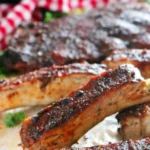
Slow Cooker Beef Spare Ribs
- Total Time: 3 hours 10 minutes
- Yield: 4 servings 1x
- Diet: General
Description
Flavorful and tender Slow Cooker Beef Ribs with just 10 minutes of prep!
Ingredients
- 1 package (3-4 lbs) beef spare ribs
- 1/2 cup ketchup
- 1/3 cup brown sugar
- 1/4 cup Worcestershire sauce
- 1 tablespoon Kosher salt
- 1 tablespoon chili powder
- 1 tablespoon mustard powder
- 1 1/2 teaspoon garlic powder
- 1 1/2 teaspoon black pepper
- 1 1/2 teaspoon onion powder
Instructions
- Prep: Carefully remove the membrane from the back of the ribs and cut the rack of ribs in half.
- Mix: Combine ketchup, brown sugar, Worcestershire sauce, salt, chili powder, mustard powder, garlic powder, black pepper, and onion powder in a small bowl.
- Season: Set aside 1/4 cup of the sauce. Use half of the remaining mixture to rub all over the ribs, place them in the slow cooker, and pour the other half on top.
- Cook: Stack the ribs in the slow-cooker, set to high, and cook for 3 hours.
- Broil: Transfer ribs to a rimmed baking sheet lined with aluminum foil, brush with reserved sauce, and broil until bubbly.
- Serve: Remove from oven, cool slightly, cut into individual portions, and serve.
Notes
For a stickier glaze, ensure the broiler is fully preheated before transferring the ribs to the baking sheet.
- Prep Time: 10 minutes
- Cook Time: 3 hours
- Category: Main Course
- Method: Slow Cooking
- Cuisine: American
Nutrition
- Serving Size: 1 serving
- Calories: 650 kcal
- Sugar: 26 g
- Sodium: 1100 mg
- Fat: 45 g
- Saturated Fat: 18 g
- Unsaturated Fat: 27 g
- Trans Fat: 2 g
- Carbohydrates: 32 g
- Fiber: 1 g
- Protein: 35 g
- Cholesterol: 120 mg