
These slow cooker BBQ chicken ribs are incredibly tender and burst with a deep, smoky flavor. Using a slow cooker ensures the meat remains succulent before a final broil creates a perfectly caramelized exterior.

List of ingredients
- 3 pounds chicken ribs – clean and patted dry.
- ½ a yellow onion – sliced into strips.
- 2 cloves garlic – minced finely.
- ½ cup water – to provide essential moisture.
- 1 cup BBQ sauce – your preferred brand or homemade version.
- 1 teaspoon brown sugar – adds sweetness and aids caramelization.
- 1 teaspoon smoked paprika – provides a woody, smoky depth.
- 1 teaspoon chili powder – adds a mild spicy kick.
- 1 teaspoon ground cumin – introduces an earthy tone.
- 1 teaspoon garlic powder – enhances savory notes.
- 1 teaspoon onion powder – adds aromatic sweetness.
- 2 teaspoons Kosher salt – balances and enhances all flavors.
- 1 teaspoon ground black pepper – provides a sharp, classic spice.
step-by-step instructions
- Prepare the meat: Trim any excess fat or connective tissue from the back side of the chicken ribs. Use a sharp paring knife to remove any silver skin or unwanted skin fragments to ensure the rub adheres directly to the meat.
- Apply the seasoning: Pat the chicken ribs dry with paper towels to ensure the rub sticks. In a small bowl, combine brown sugar, smoked paprika, chili powder, cumin, garlic powder, onion powder, salt, and pepper; rub this mixture evenly over both sides of the meat.
- Slow cook the ribs: Arrange the seasoned ribs in a large slow cooker, curling them along the sides of the pot to ensure even heat distribution. Pour the water into the center and add the sliced onions and minced garlic, then cover with the lid and cook on LOW for 6 hours.
- Broil and finish: Carefully move the ribs to a large sheet pan to avoid breaking the tender meat. Brush the top with BBQ sauce and broil in the oven for 2-4 minutes until the sauce is bubbly and caramelized.
Selecting the Ideal Meat
Chicken Ribs vs. Alternative Cuts
Chicken ribs provide a similar bone-in experience to traditional ribs while remaining leaner. If you cannot find specific rib cuts, chicken thighs or drumsticks can be substituted, though the cooking time may need slight adjustment to prevent overcooking.
Preparing Meat for Even Cooking
Ensure all pieces of meat are of similar size and thickness before placing them in the slow cooker. This consistency prevents smaller pieces from becoming mushy while larger pieces remain tough, ensuring a uniform texture across the entire batch.
Optimizing Your Slow Cooker Setup
Choosing the Right Pot Capacity
A 6-quart slow cooker is the ideal size for a 3-pound rack of chicken ribs. This volume allows enough space for the meat to be arranged without overcrowding, which is critical for maintaining an even temperature throughout the cooking cycle.
Arranging Meat for Heat Distribution
Positioning the ribs along the perimeter of the pot, rather than stacking them in the center, encourages better heat circulation. This method also prevents the meat from simmering directly in the water and onion mixture, which preserves the integrity of the meat fibers.
Mastering the Dry Rub Process
The Role of Brown Sugar in Flavor
Brown sugar is essential for creating the classic BBQ profile by providing a sweet counterpoint to the salt and spices. During the broiling phase, the sugars undergo caramelization, creating the dark, sticky glaze characteristic of professional BBQ.
Balancing Smoky and Earthy Spices
The combination of smoked paprika and ground cumin creates a complex layer of flavor. Smoked paprika mimics the taste of a traditional smoker, while cumin adds a grounding, earthy depth that complements the richness of the chicken.
Applying the Rub for Maximum Adherence
Patting the meat completely dry before applying the spice mixture is a critical step. Moisture on the surface of the meat can create a barrier, preventing the rub from sticking and resulting in unevenly seasoned ribs.
Preparing the Rub in Advance
You can mix the dry rub ingredients up to one month before cooking and store them in an airtight container. This is a convenient way to streamline the preparation process on the day of cooking without sacrificing flavor potency.
Managing Cooking Times and Temperatures
Avoiding the Mushy Texture
Cooking on the LOW setting for 6 hours allows the connective tissues to break down slowly without shredding the meat. Exceeding this timeframe can lead to the meat becoming too soft, essentially turning the ribs into pulled chicken.
Adjusting Time Based on Weight
If using a larger quantity of meat, such as 4 pounds, extend the cooking time to 6.5 hours. The additional mass requires more time for the internal temperature to reach the desired tenderness level throughout the center of the rack.
Why Low Heat is Preferable to High Heat
The LOW setting maintains a consistent, gentle simmer that preserves the moisture within the meat. Using the HIGH setting often cooks the exterior too quickly, potentially leaving the center tough while the outside becomes overdone.
Perfecting the Final Caramelization
Correct Broiler Rack Positioning
Place the oven rack in the middle position rather than the top to prevent the BBQ sauce from burning. The proximity to the heating element is key; too close will scorch the sugar in the sauce before the meat is properly heated.
Timing the Sauce Application
Applying the BBQ sauce only during the final broiling stage prevents the sauce from breaking down during the slow cooking process. This ensures the sauce remains thick and flavorful rather than becoming diluted by the cooking liquids.
Suggested Side Dish Pairings
Starchy Accompaniments
Loaded baked potato skins or white cheddar mac and cheese provide a creamy, rich contrast to the tangy BBQ sauce. These sides balance the acidity of the sauce and the smokiness of the rub.
Refreshing Vegetable Options
A creamy pesto potato salad or a traditional dill red potato salad adds a refreshing, cool element to the plate. The acidity in vinegar-based coleslaws also helps cut through the richness of the slow-cooked meat.
Storage and Reheating Guidelines
Refrigeration Best Practices
Store leftover ribs in an airtight glass or plastic container in the refrigerator for up to three days. Ensuring the container is sealed prevents the meat from drying out and protects it from absorbing other odors in the fridge.
Reheating Without Drying Out the Meat
To reheat, place the ribs in a baking dish with a splash of water or additional BBQ sauce. Cover with foil and heat in a 325°F oven until warmed through to maintain the succulent texture.
Troubleshooting Common Issues
What to Do if Meat is Too Tough
If the meat does not pull away from the bone easily, it may need another 30 to 60 minutes in the slow cooker. Ensure the lid remained closed throughout the process, as lifting the lid releases heat and extends cooking time.
Preventing the Sauce from Burning
If the sauce begins to blacken too quickly under the broiler, immediately move the pan to a lower rack. You can also brush on a second layer of sauce to provide a protective moisture barrier.
Preventing the Meat from Falling Apart
If the ribs are too fragile to move, use a large spatula to lift them from the bottom of the slow cooker. Cutting the rack into smaller sections before transferring them to the sheet pan can also prevent structural failure.
Frequently Asked Questions
Can I use a different type of BBQ sauce?
Yes, any store-bought or homemade BBQ sauce will work. Depending on the brand, you may need to adjust the amount of brown sugar in the rub to account for sauces that are already very sweet.
Do I need to sear the meat before slow cooking?
Searing is not required for this recipe because the final broiling step provides the necessary browning and flavor depth. The slow cooker handles the tenderizing process, while the broiler handles the Maillard reaction.
How do I prevent the ribs from boiling in the liquid?
Curling the ribs around the edges of the slow cooker keeps the bulk of the meat above the water line. This ensures the ribs are steamed and braised rather than boiled, which results in a better meat texture.
Can I use a different meat substitute?
While chicken ribs are recommended, any bone-in chicken cut can be used. Just be mindful that leaner cuts like chicken breast will cook much faster and may dry out if left for the full 6 hours.
Print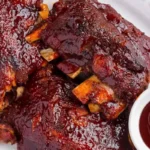
Tender Slow Cooker BBQ Chicken Ribs
- Total Time: 6 hours 15 minutes
- Yield: 3 servings 1x
- Diet: General
Description
These slow cooker BBQ beef ribs are seriously delicious and so tender! They fall off the bone beautifully and melt in your mouth. They are seasoned with a homemade dry rub, slow cooked for 6 hours until tender, and broiled with your favorite BBQ sauce.
Ingredients
- 3 pounds beef baby back ribs
- ½ a yellow onion, sliced
- 2 cloves garlic, minced
- ½ cup water
- 1 cup BBQ sauce
- 1 teaspoon brown sugar
- 1 teaspoon smoked paprika
- 1 teaspoon chili powder
- 1 teaspoon ground cumin
- 1 teaspoon garlic powder
- 1 teaspoon onion powder
- 2 teaspoons Kosher salt
- 1 teaspoon ground black pepper
Instructions
- Remove Membrane: Remove the outer membrane from the back side of the rack of ribs using a paring knife to loosen the layer and peeling it off.
- Season: Pat dry ribs with paper towel. In a bowl, mix all the dry rub ingredients and rub the seasoning evenly over both sides of the ribs.
- Slow Cook: Place the ribs in a large slow cooker, curling them against the sides. Add onions, garlic, and water in the center. Cover and cook on LOW for 6 hours until tender.
- Broil: Transfer ribs to a large sheet pan. Brush with BBQ sauce and broil for 2-4 minutes until caramelized.
- Serve: Serve with additional BBQ sauce and optional slow-cooked onions.
Notes
Use a 6-quart slow cooker for a 3-4 pound rack. For 4-pound ribs, cook for 6.5 hours. The dry rub can be prepared up to 1 month in advance. Store leftovers in a sealed container in the refrigerator for up to 3 days.
- Prep Time: 15 minutes
- Cook Time: 6 hours
- Category: Main Course
- Method: Slow Cooking
- Cuisine: American
Nutrition
- Serving Size: 1 serving
- Calories: 833 kcal
- Sugar: 34 g
- Sodium: 2795 mg
- Fat: 48 g
- Saturated Fat: 17 g
- Unsaturated Fat: 30 g
- Trans Fat: 1 g
- Carbohydrates: 45 g
- Fiber: 2 g
- Protein: 56 g
- Cholesterol: 197 mg