
These tender beef short ribs are braised slowly in a crockpot to achieve a fall-off-the-bone texture. This method creates a rich, savory gravy that permeates the meat for a deeply satisfying meal. It is an ideal set-it-and-forget-it dinner for any occasion.

List of ingredients
- 2.5–3 lbs bone-in beef short ribs – look for pieces with good marbling.
- 2 tbsp olive oil – used for searing the meat.
- 1 large yellow onion – chopped for the aromatic base.
- 3 medium carrots – chopped into bite-sized pieces.
- 3 celery stalks – chopped for the mirepoix mixture.
- 4 cloves garlic – minced finely.
- 1 tbsp tomato paste – adds depth and thickness to the sauce.
- 1 cup beef broth mixed with 1 tbsp balsamic vinegar – provides the acidity and richness of red wine without alcohol.
- 2 cups beef broth – the primary braising liquid.
- 2 tbsp soy sauce – enhances the savory umami flavor.
- 1 tbsp Worcestershire sauce – adds a complex, salty tang.
- 2 sprigs fresh thyme – adds a subtle earthy note.
- 1 bay leaf – provides a foundational aromatic scent.
- Salt and black pepper – for seasoning the meat and final sauce.
- 1 tbsp cornstarch – optional, used to thicken the final gravy.
step-by-step instructions
- Sear the meat: Pat the short ribs completely dry with paper towels to ensure a proper crust. Season all sides generously with salt and pepper. Heat olive oil in a large skillet over medium-high heat until it shimmers, then sear ribs in batches for 2-3 minutes per side until deep brown. Transfer the seared ribs to the slow cooker insert.
- Sauté the aromatics: Reduce skillet heat to medium and add the chopped onion, carrots, and celery. Cook for 5-7 minutes, stirring occasionally, until the vegetables soften and onions become translucent. Stir in the minced garlic and tomato paste, cooking for one more minute until the paste darkens and becomes fragrant.
- Deglaze the pan: Pour the beef broth and balsamic vinegar mixture into the skillet. Use a wooden spoon to scrape up the browned bits (fond) from the bottom of the pan. Let the liquid simmer and reduce by half for 2-3 minutes to concentrate the flavor.
- Combine in slow cooker: Pour the skillet contents, including the vegetables and reduced liquid, over the short ribs. Stir in the remaining beef broth, soy sauce, and Worcestershire sauce until the ribs are halfway submerged. Tuck in the fresh thyme sprigs and the bay leaf.
- Slow cook: Cover the slow cooker and cook on LOW for 7-8 hours or on HIGH for 4-5 hours. The low and slow method is recommended for maximum tenderness. The ribs are ready when the meat easily pulls away from the bone with a fork.
- Finish the sauce: Transfer the ribs to a platter and cover loosely with foil. Skim any excess fat from the slow cooker liquid. Whisk 1 tbsp cornstarch with a small amount of cool liquid to create a slurry, stir it into the crockpot, and cook on HIGH for 15-20 minutes until thickened. Season with salt and pepper before serving.
Meat Selection and Quality
Identifying Proper Marbling
When purchasing short ribs, look for meat with significant white streaks of intramuscular fat. This marbling renders during the long cooking process, basting the beef from within. It prevents the meat from drying out and contributes to the buttery texture of the final dish.
The Benefit of Bone-In Cuts
Using bone-in ribs is highly recommended over boneless options. The marrow and collagen within the bone leach into the braising liquid as it cooks. This adds a layer of natural richness and body to the sauce that cannot be replicated with boneless meat.
Preparing the Meat Surface
Always pat the beef completely dry with paper towels before seasoning. Excess moisture on the surface of the meat creates steam instead of a sear. A dry surface allows the meat to brown quickly, creating the essential crust that builds deep flavor.
Advanced Searing Techniques
Executing the Maillard Reaction
Searing the meat creates a chemical reaction between amino acids and reducing sugars. This process produces the brown crust and complex savory flavors characteristic of high-end braises. Skipping this step results in a pale appearance and a flatter taste profile.
Managing Pan Temperature
Ensure the olive oil is shimmering but not smoking before adding the beef. If the pan is too cool, the meat will stick and boil in its own juices. If it is too hot, the exterior will burn before the heat penetrates the surface.
Avoiding Pan Overcrowding
Cook the ribs in separate batches to maintain a high temperature in the skillet. Overcrowding the pan drops the heat instantly and releases too much moisture. Searing in batches ensures each piece of meat develops a consistent, dark brown crust.
Building the Flavor Base
Developing the Mirepoix
The combination of onion, carrots, and celery provides a sweet and savory aromatic foundation. Sautéing these vegetables until translucent allows their natural sugars to release. This creates a balanced backdrop for the heavy richness of the beef.
Caramelizing the Tomato Paste
Adding tomato paste and cooking it for a minute before deglazing is a critical step. This removes the raw metallic taste of the paste and develops a concentrated, sweet-tart flavor. It also helps provide a natural thickness to the braising liquid.
The Importance of Deglazing
Deglazing the pan removes the fond, which are the caramelized proteins stuck to the bottom. By using a liquid to lift these bits, you incorporate all the concentrated flavor back into the slow cooker. This is where a large portion of the sauce’s depth originates.
Optimizing the Slow Cooking Process
Low Heat versus High Heat
Cooking on the LOW setting for 7-8 hours is superior for connective tissue breakdown. Slow heat allows collagen to convert into gelatin more effectively. This results in meat that is tender enough to melt in the mouth rather than just being cooked through.
Heat Retention and Lid Management
Avoid opening the slow cooker lid during the cooking cycle. Every time the lid is lifted, a significant amount of steam and heat escapes. This can add an hour or more to the total cooking time and may result in uneven tenderness.
Determining Final Doneness
Check the ribs by gently pressing the meat with a fork. The beef should offer almost no resistance and the meat should visibly separate from the bone. If the meat still feels springy, continue cooking for another 30-60 minutes.
Sauce Refinement and Finishing
Skimming Excess Fat
Beef short ribs are naturally fatty, and much of this renders into the liquid. Use a wide spoon or a fat separator to remove the oil layer from the surface before thickening. This prevents the sauce from feeling greasy on the palate.
Using a Cornstarch Slurry
To achieve a glossy, restaurant-style glaze, use a cornstarch slurry. Mixing the starch with cold liquid first prevents lumps from forming in the hot sauce. Whisking it in at the end allows you to control the exact viscosity of the gravy.
Final Seasoning Adjustments
Always taste the sauce after it has been thickened. The reduction process concentrates the salt from the soy and Worcestershire sauces. Add salt and black pepper only at the very end to ensure the flavors are perfectly balanced.
Serving Suggestions and Pairings
Best Starch Accompaniments
Creamy mashed potatoes are the traditional choice as they soak up the rich gravy. Alternatively, buttery egg noodles or creamy polenta provide a neutral base that complements the beef. Polenta adds a slightly corn-like sweetness that pairs well with the balsamic notes.
Adding Freshness with Green Vegetables
Balance the heaviness of the ribs with roasted asparagus, steamed broccoli, or sautéed spinach. The slight bitterness and crisp texture of green vegetables cut through the richness of the meat. A squeeze of fresh lemon juice over the vegetables adds a bright contrast.
Suggested Beverage Pairings
Pair this dish with a bold, non-alcoholic sparkling grape juice or a rich pomegranate juice. The tannins and acidity in these drinks mimic a red wine and help cleanse the palate between bites of the savory beef.
Storage and Reheating Guide
Refrigerator Storage
Store the ribs and sauce in an airtight glass container for up to four days. Ensure the meat is fully submerged in the sauce to prevent it from drying out. Cooling the dish completely before sealing prevents condensation from diluting the sauce.
Freezing Instructions
These ribs freeze well for up to three months. Place them in a freezer-safe bag or container with enough sauce to cover the meat. Thaw the ribs in the refrigerator overnight before reheating to maintain the texture.
Proper Reheating Methods
The best way to reheat is in a covered oven-safe dish at 300°F. Add a splash of beef broth to keep the meat moist and heat until the internal temperature reaches 165°F. This gentle method prevents the beef from becoming tough or rubbery.
Common Troubleshooting
Dealing with Tough Meat
If the meat is still tough after the recommended time, it likely needs more time for the collagen to break down. Return the ribs to the slow cooker for an additional hour. Ensure there is enough liquid in the pot to keep the meat moist during the extra time.
Fixing a Thin Sauce
If the sauce remains watery after adding a slurry, you can simmer it in a saucepan on the stove. Reducing the liquid through evaporation concentrates the flavors and thickens the consistency. Alternatively, increase the amount of cornstarch slurry slightly.
Managing Overcooked Vegetables
Because the mirepoix cooks for 8 hours, the vegetables will be very soft. If you prefer more texture, you can sauté a fresh batch of carrots and onions and stir them into the sauce during the final 30 minutes of cooking.
Frequently Asked Questions
Can I make this with boneless short ribs?
Yes, boneless short ribs work well, though they lack the extra flavor provided by the bone. Check for tenderness slightly earlier, around the 6-hour mark on low, as they may cook faster. The sauce and searing process remain exactly the same.
How do I fix a sauce that is too thin?
The most effective method is the cornstarch slurry described in the recipe. Mix one tablespoon of cornstarch with two tablespoons of cold water, whisk it into the sauce, and cook on high for 20 minutes. You can also reduce the sauce in a skillet on the stovetop.
What happens if I cook these on high?
Cooking on high for 4-5 hours will make the meat safe to eat, but it may not be as tender. The connective tissues require a longer, slower heat to melt completely. Use the high setting only if you are short on time and can accept a firmer texture.
How should I store and reheat leftovers?
Keep them in an airtight container in the fridge for 4 days. Reheat gently in a 300°F oven with a bit of extra broth to prevent drying. Avoid microwaving on high heat, as this can make the beef tough.
Print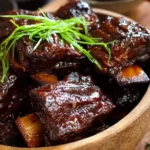
Tender Slow Cooker Beef Short Ribs
- Total Time: 8 hours 20 minutes
- Yield: 4 servings 1x
- Diet: General
Description
Make fall-off-the-bone Slow Cooker Short Ribs with this easy recipe. Perfectly tender with a rich, savory sauce.
Ingredients
- 2.5–3 lbs bone-in beef short ribs
- 2 tbsp olive oil
- 1 large yellow onion, chopped
- 3 medium carrots, chopped
- 3 celery stalks, chopped
- 4 cloves garlic, minced
- 1 tbsp tomato paste
- 1 cup beef broth with 1 tbsp balsamic vinegar
- 2 cups beef broth
- 2 tbsp soy sauce
- 1 tbsp Worcestershire sauce
- 2 sprigs fresh thyme
- 1 bay leaf
- Salt and black pepper to taste
- 1 tbsp cornstarch
Instructions
- Sear: Pat the short ribs completely dry with paper towels—this is crucial for getting a good sear. Generously season them on all sides with salt and pepper. Heat the olive oil in a large skillet over medium-high heat until it shimmers. Working in batches to avoid crowding the pan, sear the short ribs for about 2-3 minutes per side, until they develop a deep brown crust. Transfer the seared ribs to the insert of your slow cooker.
- Sauté: Reduce the heat under the skillet to medium. Add the chopped onion, carrots, and celery. Sauté for about 5-7 minutes, stirring occasionally, until the vegetables have softened and the onions become translucent. Add the minced garlic and tomato paste and cook for another minute, stirring constantly, until the paste darkens slightly and becomes fragrant.
- Deglaze: Pour the beef broth and balsamic vinegar mixture into the skillet to deglaze. Use a wooden spoon to scrape up all those delicious browned bits from the bottom of the pan. Let the mixture simmer and reduce by about half, which should take 2-3 minutes.
- Assemble: Carefully pour the entire contents of the skillet—the liquid and vegetables—over the short ribs in the slow cooker. Add the beef broth, soy sauce, and Worcestershire sauce. The liquids should come about halfway up the sides of the ribs. Tuck in the fresh thyme sprigs and the bay leaf.
- Slow Cook: Cover the slow cooker and cook on LOW for 7-8 hours, or on HIGH for 4-5 hours. The ribs are done when the meat is pulling away from the bone easily and is fork-tender.
- Finish: Once cooked, carefully transfer the short ribs to a serving platter and tent loosely with foil. If you’d like a thicker sauce, skim off any excess fat from the surface of the liquid in the slow cooker. Then, ladle about a cup of the cooking liquid into a small bowl and whisk in the cornstarch until smooth. Pour this slurry back into the slow cooker, stir, and cook on HIGH for 15-20 minutes until the sauce thickens. Season the sauce to taste with salt and pepper before serving.
Notes
Don’t skip searing the short ribs—it builds fantastic flavor. Using a fat separator for the final sauce ensures a cleaner, less greasy result.
- Prep Time: 20 minutes
- Cook Time: 8 hours
- Category: crockpot recipes
- Method: Slow Cooking
- Cuisine: American
Nutrition
- Serving Size: 1 serving
- Calories: 580 kcal
- Sugar: 4 g
- Sodium: 980 mg
- Fat: 38 g
- Saturated Fat: 15 g
- Unsaturated Fat: 23 g
- Trans Fat: 0 g
- Carbohydrates: 10 g
- Fiber: 2 g
- Protein: 42 g
- Cholesterol: 120 mg