
This cooking method ensures your beef ribs remain juicy and tender without falling apart during the process. Finishing the meat under a broiler creates a professional caramelized glaze and a sticky texture.

List of ingredients
- 2 racks beef back ribs (or beef short ribs) – chosen for their rich flavor and fat content.
- 1/4 cup dry rub (Mesquite seasoning recommended) – used to build a smoky base layer of flavor.
- 1/2 cup apple juice – provides necessary moisture and a subtle sweetness to balance the rub.
- 1 cup BBQ Sauce (smoky brown sugar variety recommended) – used for the final glaze and caramelization.
step-by-step instructions
- Prepare the meat: Remove the silver skin from the back of the ribs and apply the dry rub generously to all sides.
- Slow cook the ribs: Stand the two racks of ribs upright in the crockpot, cutting them in half if necessary to ensure they fit vertically. Pour the apple juice into the bottom of the pot.
- Set the timer: Cover the pot and cook for 4 hours on low or 2.5 hours on high, or until the meat is tender but not yet falling off the bone.
- Verify doneness: Check the ribs periodically, as different slow cooker models vary in heat intensity.
- Apply the glaze: Remove the ribs from the crockpot and brush both sides liberally with BBQ sauce.
- Final sear: Place the sauced ribs under a broiler or on a grill until the sauce thickens and caramelizes.
- Serve: Cut the racks into individual rib portions and serve immediately.
Expert Tips for Optimal Texture
Monitor Doneness Intervals
Slow cookers vary significantly in temperature output between brands and models. Begin checking the ribs 30 minutes before the suggested time to ensure they do not overcook. The goal is meat that is tender but retains enough structure to be moved to the broiler.
Maintain Vertical Positioning
Standing the ribs upright prevents them from steaming in their own juices, which can lead to a mushy texture. This position allows the heat to distribute more evenly across the meat. It also keeps the ribs from collapsing into a single mass.
Apply Sauce During the Final Stage
Adding BBQ sauce at the beginning of the slow cooking process can cause the sugars to burn or break down. By applying the sauce only before broiling, you ensure a thick, glossy coating. This method preserves the bright flavors of the sauce.
Allow a Short Resting Period
Let the ribs rest for 5 to 10 minutes after broiling before slicing. This allows the juices to redistribute throughout the meat. Resting ensures that the ribs stay moist and provide cleaner cuts when sliced into portions.
Ingredient Substitutions and Diet Adjustments
Reduce Carbohydrates with Beef Broth
To lower the sugar content of this recipe, replace the apple juice with an unsalted beef broth. This maintains the necessary moisture levels in the crockpot without adding fruit sugars. The resulting flavor is more savory and less sweet.
Use Sugar-Free BBQ Sauce
For a lower-calorie or ketogenic version, utilize a sugar-free BBQ sauce for the final glaze. Ensure the sauce contains a thickening agent like xanthan gum to achieve the same sticky consistency. Avoid sauces with high amounts of artificial sweeteners that may taste bitter when broiled.
Swap for Pineapple Juice
For a more tropical and sweet flavor profile, use pineapple juice instead of apple juice. The enzymes in pineapple juice can help further tenderize the beef fibers. This creates a distinct contrast with the smoky mesquite rub.
Increase Heat with Spicy Sauces
If you prefer a spicier dish, substitute the brown sugar BBQ sauce with a habanero or chipotle-based sauce. You can also add a pinch of cayenne pepper to the dry rub. This increases the heat level throughout the meat rather than just on the surface.
Choosing the Right Rib Cut
Beef Back Ribs
Beef back ribs are leaner and have a different bone structure than short ribs. They provide a cleaner eating experience and work well with the vertical standing method. These ribs offer a more subtle beef flavor that pairs well with sweet glazes.
Beef Short Ribs
Short ribs are significantly meatier and contain more marbled fat. While they are richer in flavor, they may require a slightly longer cooking time to break down the connective tissue. They are ideal for those who prefer a more decadent, melt-in-your-mouth texture.
Understanding Silver Skin Removal
What is Silver Skin?
Silver skin is a tough, iridescent membrane of connective tissue found on the bone side of the ribs. Unlike fat, this tissue does not break down or melt during the slow cooking process. Leaving it intact can prevent the dry rub from penetrating the meat and result in a chewy texture.
Technique for Removing the Membrane
Place the rack bone-side up and use a small knife to lift the edge of the membrane at the narrower end. Grip the flap with a paper towel for a secure hold and pull the membrane away in one continuous sheet. If the skin tears, use the knife to start a new section and continue pulling.
Serving and Pairing Suggestions
Creamy Macaroni Salad
A cold, creamy macaroni salad provides a temperature and texture contrast to the hot, sticky ribs. The mayonnaise-based dressing helps cut through the richness of the beef. Adding diced celery and red onion adds a necessary crunch.
Broccoli Beef Bacon Salad
Combine raw broccoli florets with smoked beef bacon and a tangy dressing. The bitterness of the broccoli balances the sweetness of the BBQ glaze. Using beef-based bacon ensures the dish remains consistent with the main course.
Savory Corn Casserole
A baked corn casserole offers a soft, comforting side that complements the smoky notes of the ribs. The sweetness of the corn mirrors the sugars in the BBQ sauce. This dish is best served warm in a casserole dish.
Tangy Vinegar Coleslaw
A vinegar-based coleslaw provides a sharp acidity that cleanses the palate between bites of rich beef. Avoid overly sweet dressings to ensure the contrast remains effective. Shredded cabbage and carrots provide a fresh, crisp element to the meal.
Storage and Reheating Guidelines
Refrigerator Storage
Store leftover ribs in an airtight container or wrap them tightly in foil. Keep them in the refrigerator for up to 4 days. Ensure the container is sealed well to prevent the meat from absorbing other refrigerator odors.
Freezing Instructions
Ribs can be frozen for up to 2 months without significant loss of quality. Wrap the cooked ribs in a double layer of heavy-duty aluminum foil and then place them in a freezer-safe bag. Thaw the ribs overnight in the refrigerator before reheating to ensure even heating.
Optimal Reheating Methods
To maintain the texture, reheat the ribs in an oven at 325 degrees Fahrenheit. Wrap them in foil with a splash of beef broth to prevent the meat from drying out. Avoid using a microwave, as it can make the beef rubbery and the sauce tacky.
Make-Ahead Strategy
You can complete the slow cooking process a day in advance and refrigerate the ribs. When you are ready to serve, apply the BBQ sauce and broil them immediately. This reduces the preparation time on the day of the event and allows the rub flavors to penetrate deeper.
Troubleshooting Common Issues
Ribs Falling Apart Too Quickly
If the ribs are disintegrating before they reach the broiler, they have been overcooked. To fix this, avoid the grill and use the broiler instead, as it requires less movement. Carefully slide a wide spatula under the meat to transfer it to the pan.
Sauce Failing to Caramelize
If the sauce remains runny, it may lack sufficient sugar or the broiler temperature is too low. Increase the heat or leave the ribs under the broiler for another 2 to 3 minutes. Keep a close watch to ensure the sugar does not burn.
Meat Remaining Tough
Tough meat usually indicates that the silver skin was not removed or the cooking time was too short. If the ribs are still chewy after the slow cooker stage, return them to the pot for another 30 to 60 minutes. Ensure there is enough liquid at the bottom to prevent scorching.
Frequently Asked Questions
Can I use a different fruit juice?
Yes, you can use pineapple, orange, or pear juice. Each will change the flavor profile slightly, with pineapple being the sweetest and orange adding a citrusy brightness. Ensure the juice is unsweetened for the best results.
Do I have to use the broiler?
The broiler is optional, but it is recommended for the signature BBQ finish. You can use an outdoor grill or a kitchen torch for similar results. Without a high-heat finish, the ribs will be tender but will lack the traditional caramelized crust.
How do I know when the beef is done?
The meat should be tender when pierced with a fork but should not slide off the bone instantly. If you use a meat thermometer, look for an internal temperature of approximately 203 degrees Fahrenheit for the best shred-like tenderness.
Can I use a different dry rub?
Any beef-compatible rub will work, including paprika-based or garlic-heavy blends. If the rub contains a high amount of salt, reduce any additional seasoning in the BBQ sauce. Always apply the rub generously to all surfaces of the meat.
Print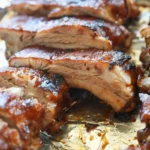
Tender Slow Cooker Beef Ribs
- Total Time: 4 hours 10 minutes
- Yield: 6 servings 1x
- Diet: General
Description
This Crockpot Ribs recipe yields the most tender and tasty ribs ever! Cook them until tender in the crockpot and then finish them off on the grill or broiler with lots of BBQ sauce!
Ingredients
- 2 racks beef baby back ribs (or beef back ribs)
- 1/4 cup dry rub
- 1/2 cup apple juice
- 1 cup BBQ Sauce
Instructions
- Prep the ribs: remove silver skin and rub generously with dry rub of your choice.
- Cook in Crockpot: Stand two racks of ribs upright in the crockpot, cutting in half if necessary to fit vertically. Pour in apple juice to the bottom. Cover and cook 4 hours on low or 2 1/2 hours on high or until meat is tender but not falling off the bone. Every crockpot is different, so you’ll have to double check your ribs for doneness.
- Finish and Serve: Remove from crockpot, brush with BBQ sauce liberally on both sides and broil or grill. Cut into portions and serve.
Notes
For a lower carb option, use chicken broth instead of apple juice and a sugar-free BBQ sauce. Store leftovers in an airtight container in the refrigerator for up to 4 days, or freeze for up to 2 months.
- Prep Time: 10 minutes
- Cook Time: 4 hours
- Category: Dinner
- Method: Slow Cooking
- Cuisine: American
Nutrition
- Serving Size: 1 serving
- Calories: 524 kcal
- Sugar: 18 g
- Sodium: 656 mg
- Fat: 31 g
- Saturated Fat: 11 g
- Unsaturated Fat: 20 g
- Trans Fat: 0 g
- Carbohydrates: 24 g
- Fiber: 1 g
- Protein: 37 g
- Cholesterol: 130 mg