
This healthy chicken and broccoli stir fry is a fast, nutrient-dense meal perfect for busy weeknights. It features tender chicken and crisp broccoli tossed in a savory, thickened sauce. The entire dish comes together in one pan in about 30 minutes.

List of ingredients
- 1 1/2 tablespoons olive oil – used for searing the chicken and sautéing vegetables.
- 1 pound chicken breast, thinly sliced into bite-sized pieces – ensure slices are uniform for even cooking.
- 7 cups broccoli florets (about 465 grams or 2 heads) – cut into small, bite-sized pieces.
- 1/2 cup + 2 tablespoons chicken broth – used for the sauce and to steam the broccoli.
- 1/2 cup coconut aminos – a salty, savory alternative to soy sauce.
- 3 tablespoons lime juice – provides acidity to balance the savory flavors.
- 1 tablespoon toasted sesame oil – adds a distinct nutty aroma and depth.
- 3 cloves garlic, minced – fresh garlic provides the best pungent flavor.
- 1 inch fresh ginger, minced – adds a zesty, warm note to the sauce.
- 1/2 teaspoon red pepper flakes – adds a subtle heat to the final dish.
- 1 tablespoon tapioca flour – used as a thickening agent for the sauce.
- salt and pepper, to taste – for seasoning the meat and vegetables.
- Optional toppings: sesame seeds, green onions, cilantro – for added texture and freshness.
- Serving suggestions: white rice, cauliflower rice – to serve as a base for the stir fry.
step-by-step instructions
- Prepare the sauce and slurry: In a small bowl or jar, whisk together the coconut aminos, 1/2 cup chicken broth, lime juice, sesame oil, garlic, ginger, red pepper flakes, and pepper. In a separate small jar, whisk 2 tablespoons of chicken broth with the tapioca flour to create a smooth slurry. Set both mixtures aside for later use.
- Sear the chicken: Heat olive oil in a large skillet or nonstick pan over medium heat until hot. Add the sliced chicken in batches to avoid overcrowding the pan, seasoning each batch with salt and pepper. Cook for 30-60 seconds per side until browned, then remove the chicken from the pan and set aside.
- Sauté the broccoli: Using the same pan and remaining chicken juices, add the broccoli florets along with salt and pepper. Cover the pan with a lid and cook for 5-7 minutes, stirring occasionally. If the vegetables stick or need more moisture, add a small amount of chicken broth to help them steam. Remove the broccoli from the pan and set aside, leaving any residual juices behind.
- Thicken the stir fry sauce: Reduce the pan heat to medium-low and let it cool for 30-60 seconds. Give the tapioca slurry another whisk to ensure no lumps remain. Pour the sauce mixture and the slurry into the pan, whisking constantly. Increase heat to medium and simmer for 3-5 minutes until the sauce thickens and reaches a nappe consistency, meaning it coats the back of a spoon.
- Assemble and finish: Return the cooked chicken and broccoli to the skillet. Stir well to coat everything in the thickened sauce and heat through for about one minute.
- Serve: Transfer the stir fry to plates or bowls. Top with sesame seeds, sliced green onions, or cilantro, and serve alongside white rice or cauliflower rice.
Pro Tips for High-Quality Stir Fry
Freeze Chicken for Precision Slicing
To achieve very thin, uniform slices of chicken breast, place the meat in the freezer for 10 to 15 minutes before cutting. This slightly hardens the exterior, making it much easier to slice thin strips without the meat sliding or tearing. Use a sharp chef’s knife to ensure clean cuts.
Slice Against the Grain
Identifying the grain, or the direction of the muscle fibers, is essential for tenderness. Always slice the chicken perpendicular to these fibers to shorten them, which prevents the meat from becoming chewy. This technique ensures that every bite is tender and easy to chew.
Avoid Overcrowding the Pan
Cooking the chicken in batches is critical for achieving a proper sear. If too much meat is added at once, the temperature of the pan drops and the chicken will release moisture, causing it to steam rather than brown. Searing in small batches creates a flavorful crust and keeps the interior juicy.
Cut Vegetables into Uniform Pieces
Ensure your broccoli florets are roughly the same size so they cook at the same rate. If some pieces are significantly larger than others, the smaller ones may overcook and become mushy while the larger ones remain raw. Uniformity ensures a consistent texture across the entire dish.
Use a Heavy-Bottomed Skillet
A heavy-bottomed skillet or a cast-iron pan distributes heat more evenly and maintains a higher temperature when food is added. This prevents hot spots that can burn the garlic or ginger and ensures the chicken sears quickly. If using a thin pan, be extra mindful of the heat levels.
Ingredient Substitutions and Adaptations
Alternative Protein Options
While chicken breast is the standard, you can use boneless skinless chicken thighs for a richer flavor and more moisture. For other options, shrimp, sliced beef, or ground turkey work well with this sauce. To make the dish plant-based, substitute the meat with extra-firm tofu that has been pressed and cubed.
Replacing Coconut Aminos
Coconut aminos provide a gluten-free, lower-sodium alternative to soy sauce. If you are not avoiding gluten, low-sodium soy sauce or tamari are suitable replacements. Note that soy sauce is saltier, so you may want to reduce the additional salt used for seasoning the chicken.
Swapping Tapioca Flour
If tapioca flour is unavailable, cornstarch or arrowroot powder are excellent alternatives for thickening the sauce. These starches behave similarly when heated, creating a glossy, sticky glaze. Use the same measurement as indicated for the tapioca flour.
Integrating Different Vegetables
Broccoli is the star here, but you can easily add other vegetables to increase the nutrient density. Sliced carrots, red bell peppers, snap peas, mushrooms, or zucchini work well. Sauté harder vegetables like carrots first before adding the broccoli to ensure everything is tender.
Using Vegetable or Bone Broth
Chicken broth is used for flavor and steaming, but vegetable broth is a great alternative for those avoiding poultry products. For added protein and a richer mouthfeel, bone broth can be used. Any clear, unsalted or low-sodium broth will maintain the integrity of the sauce.
Serving Suggestions and Pairings
Low-Carb Grain Alternatives
For a low-carb or keto-friendly meal, serve the stir fry over steamed cauliflower rice. This provides a similar texture to traditional rice without the added carbohydrates. Another option is using riced broccoli or shredded cabbage for a crunchy base.
Traditional Rice Pairings
White jasmine or basmati rice are classic choices that absorb the savory sauce effectively. For more fiber and a nuttier flavor, substitute white rice with brown rice or quinoa. Ensure the grains are cooked and fluffy before plating.
Noodle-Based Options
This dish can be served over noodles instead of rice for a different experience. Brown rice noodles, udon, or ramen noodles work well. For a lighter version, use zucchini noodles (zoodles) or spaghetti squash, tossing them briefly in the pan with the sauce.
Fresh Garnish Ideas
Garnishing adds a layer of freshness and visual appeal to the dish. Toasted sesame seeds provide a crunch, while sliced green onions add a mild bite. Freshly chopped cilantro or a squeeze of extra lime juice right before serving can brighten the overall flavor profile.
Storage and Meal Prep Guidance
Refrigeration and Shelf Life
Store leftover stir fry in an airtight container in the refrigerator. It will remain fresh and safe to eat for 4 to 5 days. Keep the rice in a separate container to prevent it from absorbing all the sauce and becoming mushy.
Freezing and Thawing Process
This recipe can be frozen for up to 3 months if stored in freezer-safe bags or containers. To thaw, move the stir fry to the refrigerator overnight. This prevents the broccoli from losing too much structure during the defrosting process.
Optimal Reheating Methods
To reheat in the microwave, heat for 1-2 minutes on medium power, stirring halfway through to redistribute the sauce. For a better texture, reheat in a skillet over medium heat with a splash of water or broth to loosen the sauce and steam the vegetables.
Prepping Components in Advance
You can save time by prepping the ingredients a day ahead. Slice the chicken and chop the broccoli, storing them in separate containers. Mix the sauce and slurry and keep them in jars in the fridge, shaking them well before adding them to the pan.
Common Stir Fry Troubleshooting
Preventing a Watery Sauce
If the sauce remains too thin, it is usually because the slurry was not whisked well or the sauce didn’t simmer long enough. Ensure you whisk the tapioca flour into the broth until completely smooth. Simmer the sauce until it reaches a nappe consistency before adding the ingredients back in.
Maintaining Broccoli Crispness
Overcooking broccoli leads to a mushy texture and a loss of bright green color. Only cover the pan for the recommended 5-7 minutes and remove the vegetables as soon as they are tender-crisp. Avoid leaving the broccoli in the pan while the sauce thickens.
Stopping Chicken from Toughness
Chicken breast can become dry and rubbery if overcooked. Searing quickly over medium-high heat and removing the meat from the pan as soon as it is browned prevents this. The final one-minute toss in the sauce is enough to finish the cooking process without drying it out.
Balancing Excessive Saltiness
If the dish tastes too salty due to the coconut aminos or broth, add a teaspoon of honey or maple syrup to balance the flavor. Alternatively, a squeeze of fresh lime juice or a small amount of water can dilute the salt concentration without ruining the sauce.
Frequently Asked Questions
Can I use frozen broccoli instead of fresh?
Yes, you can use frozen broccoli, but avoid steaming it under a lid as frozen vegetables release more water. Sauté them in the pan until the moisture evaporates and they start to brown before adding the sauce.
How do I make this stir fry spicier?
To increase the heat, add more red pepper flakes during the sauce preparation. You can also stir in a teaspoon of sriracha or minced fresh Thai chilies when sautéing the garlic and ginger.
Can I use a slow cooker for this recipe?
A slow cooker is not recommended for this specific stir fry because the textures would be compromised. The chicken would lose its sear and the broccoli would become overly soft. For a slow cooker version, cook the meat and sauce, then add the broccoli only in the last 30 minutes.
Is this recipe suitable for Paleo diets?
Yes, this recipe is Paleo-friendly as it uses coconut aminos instead of soy sauce and tapioca flour for thickening. Ensure you serve it with cauliflower rice or other Paleo-approved vegetables to maintain the dietary guidelines.
Print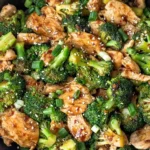
Healthy Chicken and Broccoli Stir Fry
- Total Time: 30 minutes
- Yield: 3 servings 1x
- Diet: Gluten-free, Paleo, Whole30
Description
Flavor-packed healthy chicken and broccoli stir fry made with chicken, broccoli, and a thick and sticky stir fry sauce to bring it all together. It’s made in one pan, ready in 30 minutes, and only calls for 11 ingredients! Gluten-free, paleo, and Whole30.
Ingredients
- 1 1/2 tablespoons olive oil
- 1 pound chicken breast, thinly sliced into bite-sized pieces
- 7 cups broccoli florets
- 1/2 cup + 2 tablespoons chicken broth
- 1/2 cup coconut aminos
- 3 tablespoons lime juice
- 1 tablespoon toasted sesame oil
- 3 cloves garlic, minced
- 1 inch fresh ginger, minced
- 1/2 teaspoon red pepper flakes
- 1 tablespoon tapioca flour
- salt and pepper, to taste
Instructions
- Make the stir fry sauce: In a small bowl or jar, add coconut aminos, 1/2 cup broth, lime juice, sesame oil, garlic, ginger, red pepper flakes, and pepper and whisk to combine. In a separate jar, make a slurry by adding 2 tablespoons broth along with the tapioca flour and whisk to combine.
- Cook the chicken: Heat a large skillet or nonstick pan over medium heat, add oil. Add sliced chicken to the pan, season with salt and pepper, and cook for 30-60 seconds per side. Remove from pan.
- Saute the broccoli: Add broccoli, salt, and pepper to the pan. Cover with a lid and cook for 5-7 minutes, stirring occasionally. Remove veggies from the pan and set aside.
- Thicken the sauce: Turn heat to medium-low. Add the sauce and the slurry to the pan, whisking to combine. Cook until thickened, about 3-5 minutes.
- Assemble: Add the chicken and broccoli back to the skillet, stir to combine, and heat through for about 1 minute.
Notes
To thinly slice the chicken, place it in the freezer for 10 minutes first. Use coconut aminos and not liquid aminos to avoid excess salt.
- Prep Time: 10 minutes
- Cook Time: 20 minutes
- Category: Main Course
- Method: Stir Fry
- Cuisine: Chinese
Nutrition
- Serving Size: 1 serving
- Calories: 446 kcal
- Sugar: 19 g
- Sodium: 1479 mg
- Fat: 16 g
- Saturated Fat: 2.6 g
- Unsaturated Fat: 11.3 g
- Trans Fat: 0 g
- Carbohydrates: 32.1 g
- Fiber: 4.3 g
- Protein: 40.8 g
- Cholesterol: 111 mg