
Prepare these tender beef ribs using a slow cooker for a meal that falls off the bone. This method ensures the meat stays moist while absorbing all the savory spices from the dry rub.

List of ingredients
- 2.5 lbs beef back ribs – a great alternative to pork for a rich flavor.
- 1/2 teaspoon salt – enhances all other seasonings.
- 1 teaspoon black pepper – adds a subtle heat.
- 1 tablespoon brown sugar – helps with caramelization during the oven finish.
- 1/2 teaspoon paprika – provides a deep color and mild sweetness.
- 1 teaspoon garlic powder – adds a savory, aromatic base.
- 1/2 teaspoon cumin – contributes an earthy undertone.
- 1 teaspoon chili powder – gives a classic barbecue profile.
- 1/2 cup water, beef broth, or apple juice – prevents the meat from drying out.
- 1/4 cup BBQ sauce – used for the final glazing step.
step-by-step instructions
- Remove the membrane: Lift the membrane on the back of the ribs with a butter knife. Use a paper towel to grip the edge firmly and pull the membrane away completely.
- Prepare the rub: Mix together the salt, pepper, brown sugar, paprika, garlic powder, cumin, and chili powder in a small bowl.
- Prep the ribs: Spray both sides of the beef ribs with olive oil cooking spray to help the spices adhere.
- Season the meat: Coat both sides of the ribs generously with the dry rub mixture. Press the spices into the meat with your fingers and let them sit for 5 to 10 minutes if time permits.
- Load the crockpot: Pour the chosen liquid into a greased crockpot. Place the ribs inside, either laying them flat or curling them to fit the pot.
- Slow cook: Set the crockpot to low and cook for 4 to 5 hours. Do not use the high setting to avoid toughening the meat.
- Prep the oven: After 4 hours of slow cooking, preheat your oven to 425 degrees Fahrenheit.
- Transfer ribs: Gently remove the ribs from the slow cooker and place them on a nonstick foil-lined baking sheet.
- Glaze and bake: Brush the top of the ribs with barbecue sauce. Bake in the oven for 15 minutes until the sauce is bubbly and caramelized.
- Finish: Slice the ribs between the bones and serve immediately.
Optimal Cooking Techniques
Using a Paper Towel for Membrane Removal
The silver skin membrane on the back of ribs can block spices from penetrating the meat and can become tough when cooked. Using a paper towel provides the necessary friction to grip the slippery membrane after you lift it with a knife. This ensures the meat absorbs the dry rub more effectively.
Maintaining Low Temperature Settings
Cooking ribs on the low setting allows the connective tissues to break down slowly without tightening the muscle fibers. Using the high setting can cause the meat to seize and become dry or rubbery. Stick to the 4 to 5 hour window on low for the best texture.
Applying the Dry Rub Correctly
Pressing the spices into the meat rather than just sprinkling them ensures the flavor stays attached during the slow cooking process. Allowing the seasoned meat to rest for 10 minutes before cooking allows the salt to draw moisture to the surface, which helps the rub form a crust. This maximizes the depth of flavor in every bite.
Controlling the Liquid Level
Adding a half cup of liquid creates a steaming environment inside the crockpot that keeps the meat moist. Without this liquid, the bottom of the ribs may scorch or the meat may dry out before the collagen breaks down. Water is a neutral choice, while beef broth adds more richness.
Ingredient Substitutions and Alternatives
Using Coconut Sugar for Paleo Diets
If you are following a paleo or refined sugar-free diet, replace the brown sugar with coconut sugar. Coconut sugar has a similar caramel-like flavor and performs well under the high heat of the oven. This keeps the glaze sticky and sweet without using processed sugars.
Adjusting the BBQ Sauce Profile
You can use any BBQ sauce that fits your taste, whether it is smoky, honey-based, or spicy. For a tangier result, choose a vinegar-based sauce. Ensure the sauce is thickened enough to cling to the ribs during the final oven bake.
Substituting Beef Broth for Water
While water works well, beef broth adds an extra layer of savory depth to the meat. Apple juice is another excellent alternative that adds a slight sweetness and acidity, which helps tenderize the beef. These liquids enhance the natural flavor of the beef ribs.
Modifying Salt for Low-Sodium Needs
If you are monitoring your sodium intake, reduce the salt in the dry rub to a pinch. Since most store-bought BBQ sauces contain significant sodium, reducing the salt in the initial rub helps balance the overall meal. You can also use a low-sodium beef broth as the cooking liquid.
Serving and Pairing Ideas
Pairing Ribs with Vinegar-Based Coleslaw
A crisp, acidic coleslaw balances the richness and sweetness of the glazed beef ribs. Use a mixture of apple cider vinegar, a touch of oil, and shredded cabbage and carrots. This provides a refreshing contrast that cleanses the palate between bites.
Serving with Crispy Smashed Potatoes
Boil small potatoes until tender, then smash them flat on a baking sheet and roast them until gold. The crispy texture of the potatoes complements the tender, fall-off-the-bone consistency of the ribs. Season them with garlic and parsley for added flavor.
Adding a Corn and Avocado Salad
Combine roasted corn kernels, diced avocado, red onion, and lime juice for a fresh side dish. The creaminess of the avocado and the sweetness of the corn pair well with the smoky notes of the chili powder and paprika. This adds a colorful and healthy element to the plate.
Complementing with Caprese Pasta Salad
A cold pasta salad with cherry tomatoes, fresh mozzarella, and basil provides a light contrast to the heavy meat. Use a balsamic glaze or olive oil and lemon dressing to keep the flavors bright. This is an ideal side for larger gatherings or family dinners.
Storage and Preservation
Refrigerating Leftover Ribs
Place cooked ribs in an airtight container once they have cooled to room temperature. They will stay fresh and safe to eat for up to 4 days in the refrigerator. Ensure the container is sealed tightly to prevent the meat from absorbing other odors from the fridge.
Handling Frozen Ribs
It is not recommended to freeze these ribs after they have been slow-cooked and glazed. The texture of the meat and the consistency of the BBQ sauce can change during the freezing and thawing process. For best quality, cook only what you plan to eat within a few days.
Best Reheating Methods
Using the Oven for Maximum Crispiness
To maintain the texture of the glaze, reheat the ribs in the oven at 325 degrees Fahrenheit. Place them on a baking sheet and cover loosely with foil to prevent drying. Heat for 10 to 15 minutes or until the internal temperature reaches 165 degrees.
The Toaster Oven Approach
For smaller portions, a toaster oven is a convenient tool for reheating. Place the ribs on the tray and use the bake setting for about 10 minutes. This method effectively restores the caramelized exterior of the BBQ sauce.
Why to Avoid the Microwave
Microwaving ribs often results in uneven heating and can make the meat rubbery. The high-frequency waves can cause the sauce to separate or the meat to toughen. If you must use a microwave, cover the ribs with a damp paper towel and heat in short intervals.
Make-Ahead Planning
Preparing the Dry Rub in Advance
You can mix all the dry seasonings in a jar and store them in the pantry for several weeks. This makes the actual cooking process much faster when you are ready to prep the ribs. Label the jar with the recipe name and date of preparation.
Pre-Seasoning the Ribs Overnight
Applying the rub and olive oil spray the night before allows the flavors to penetrate deeper into the beef. Store the seasoned ribs in the refrigerator on a tray or in a gallon-sized bag. This step is particularly useful for tougher cuts of beef to ensure maximum tenderness.
Troubleshooting Common Issues
Fixing Dry Ribs
If the ribs come out of the crockpot feeling dry, it is likely they were cooked too long or on too high a setting. You can remedy this by adding a small amount of extra beef broth before the oven step. Ensure you brush them generously with BBQ sauce to add moisture back into the surface.
Handling Meat That Won’t Release
If the meat is not falling off the bone, it may need another 30 to 60 minutes in the slow cooker. Beef ribs can vary in size and fat content, which affects cooking times. Check for flexibility; the ribs should bend easily before they go into the oven.
Managing Excess Liquid in the Pot
If there is too much liquid in the crockpot after cooking, do not pour it over the ribs on the baking sheet. This will prevent the BBQ sauce from caramelizing and may make the ribs soggy. Simply lift the ribs out and discard the excess liquid or save it for a base for a beef gravy.
Frequently Asked Questions
Can I use St. Louis style beef ribs?
Yes, you can use St. Louis style beef ribs instead of baby back ribs. Note that they are generally meatier and may require an additional hour of slow cooking. Use a meat thermometer to ensure they reach an internal temperature of at least 145 degrees.
How do I know when the ribs are done?
The ribs are ready for the oven when they are flexible and the meat has started to pull back from the ends of the bones. When you lift a rack, it should bend significantly without breaking. This indicates the collagen has broken down sufficiently.
Can I skip the oven step?
While the ribs are cooked through in the slow cooker, skipping the oven step means you lose the caramelized glaze and the charred exterior. If you don’t have an oven, you can use a grill or a broiler for a few minutes to achieve a similar effect.
What is the best BBQ sauce for this recipe?
A thick, tomato-based BBQ sauce with a balance of honey and vinegar works best. The sugar in the sauce is essential for the browning process in the 425-degree oven. Avoid very thin sauces, as they will run off the ribs rather than forming a glaze.
Print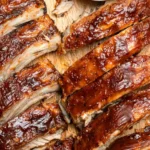
Tender Slow Cooker Beef Ribs
- Total Time: 4 hours 25 minutes
- Yield: 4 servings 1x
- Diet: General
Description
A Crockpot Beef Ribs Recipe that is easy to make, producing delicious and fall-off-the-bone tender ribs.
Ingredients
- 2.5 lbs beef ribs
- 1/2 teaspoon salt
- 1 teaspoon black pepper
- 1 tablespoon brown sugar
- 1/2 teaspoon paprika
- 1 teaspoon garlic powder
- 1/2 teaspoon cumin
- 1 teaspoon chili powder
- 1/2 cup water, apple juice, or vegetable broth
- 1/4 cup BBQ sauce
Instructions
- Step: Remove the membrane from ribs.
- Step: Mix together dry rub of salt, pepper, brown sugar, paprika, garlic powder, cumin, and chili powder.
- Step: Spray both sides of ribs with olive oil cooking spray.
- Step: Coat both sides of the ribs generously with the dry rub.
- Step: Pour the liquid into the crockpot and place the ribs inside.
- Step: Cook on low for 4-5 hours.
- Step: Preheat the oven to 425°F.
- Step: Place ribs on a nonstick foil-lined baking sheet.
- Step: Top with barbecue sauce and bake for 15 minutes.
- Step: Slice and enjoy!
Notes
To prevent drying out, cook on low rather than high. Avoid cooking for more than 5 hours. Use beef ribs as a substitute for baby back ribs.
- Prep Time: 10 minutes
- Cook Time: 4 hours 15 minutes
- Category: Main Course
- Method: Slow Cooking
- Cuisine: American
Nutrition
- Serving Size: 3 ribs
- Calories: 442 kcal
- Sugar: 9 g
- Sodium: 531 mg
- Fat: 29 g
- Saturated Fat: 10 g
- Unsaturated Fat: 17 g
- Trans Fat: 1 g
- Carbohydrates: 10 g
- Fiber: 1 g
- Protein: 34 g
- Cholesterol: 123 mg