
This marinade ensures your chicken remains juicy and tender while delivering a deep, savory flavor profile. It is an efficient way to prepare high-quality chicken for summer cookouts or simple weeknight dinners.

List of ingredients
- 2/3 cup olive oil – prevents sticking and aids marinade adhesion.
- 2/3 cup less sodium soy sauce – provides savory depth without excessive salt.
- 1 lemon, juiced – acts as a tenderizer and adds brightness.
- 1 tablespoon brown sugar – encourages caramelization and balances acidity.
- 2 tablespoons spicy brown mustard – adds pungent flavor and thickness.
- 1 teaspoon fresh ground black pepper – provides a sharp, spicy contrast.
- 1 teaspoon garlic powder – contributes consistent savory notes.
- 1/2 teaspoon liquid smoke flavoring – imparts a deep campfire aroma.
- 1 teaspoon chili garlic sauce (optional) – adds a mild heat and zippy garlic flavor.
- 2 to 3 pounds assorted chicken pieces – breasts, thighs, and drumsticks work best.
step-by-step instructions
- Whisk the base: Place all the marinade ingredients in a small mixing bowl and whisk until well combined.
- Prepare the chicken: Place the chicken into a gallon sized plastic storage bag and add the marinade, splitting the chicken between two bags if necessary.
- Coat and seal: Seal the bag and turn it around a few times to ensure the marinade is distributed evenly over all surfaces.
- Marinate: Refrigerate the chicken for at least 1 hour or up to 8 hours.
- Sear the meat: Grill over medium-high heat until the exterior is well seared.
- Cook through: Continue to cook over indirect heat until the internal temperature of the thickest portion of the chicken reaches 165 degrees F and the juices run clear.
Technical Grilling Strategies
Achieving Uniform Cooking Times
Use chicken pieces that are similar in size to ensure they finish cooking at the same time. This prevents smaller pieces from overcooking while larger pieces remain raw.
Tenderizing Thick Chicken Breasts
Boneless breasts can be unevenly thick, which leads to dry edges. Use a meat mallet to pound them to a consistent thickness or slice them into smaller cutlets for faster, more even cooking.
Managing Marination Duration
Limit marinating time to between one and eight hours. The citric acid in the lemon juice breaks down proteins, but excessive exposure can result in a mushy meat texture.
Implementing Indirect Heat Zones
Create a two-zone fire by piling charcoal on one side or turning off specific burners on a gas grill. Sear the chicken over direct heat first, then move it to the cooler side to finish cooking without burning the sugars.
Regulating Grill Temperature with Lids
Keep the grill cover closed to create an oven-like environment. This traps heat and speeds up the cooking process while reducing the likelihood of flare-ups from dripping oil.
Using a Digital Meat Thermometer
Insert a thermometer into the thickest part of the largest piece of meat. Remove the chicken exactly when it hits 165 degrees F to maintain maximum juiciness.
Advanced Preparation and Storage
Storing Pre-mixed Marinade
You can whisk the marinade ingredients together and store them in an airtight container. Keep this mixture in the refrigerator for up to three days before adding it to the chicken.
Freezing Chicken in Marinade
Place chicken and marinade in a freezer-safe bag for long-term storage. The meat will marinate during the thawing process, and it can be kept in the freezer for up to three months.
Safe Thawing Procedures
Transfer frozen marinated chicken to the refrigerator 24 hours before you plan to grill. Avoid thawing at room temperature to prevent bacterial growth.
Utilizing Multiple Storage Bags
If preparing more than three pounds of chicken, use separate gallon bags. Overcrowding the bag prevents the marinade from coating every surface of the meat.
Flavor Customizations and Substitutions
Swapping Spicy Brown Mustard for Dijon
Dijon mustard can be used as a direct replacement for spicy brown mustard. Dijon offers a smoother texture and a slightly more refined, vinegary tang.
Adjusting the Spice Level
The optional chili garlic sauce provides a mild kick. For more heat, increase the amount of chili garlic sauce or add a pinch of crushed red pepper flakes.
Alternative Sweetening Agents
If brown sugar is unavailable, honey or maple syrup can be used in equal measurements. These alternatives provide a different floral sweetness while still aiding in caramelization.
Low Sodium Modifications
To further reduce salt, replace the less sodium soy sauce with coconut aminos. This provides a similar savory profile with significantly less sodium content.
Serving and Pairing Ideas
Creating Cold Grilled Chicken Salads
Slice leftover grilled chicken while cold for a refreshing summer salad. Pair it with mixed greens, cherry tomatoes, cucumbers, and a light vinaigrette.
Assembling Grilled Chicken Sandwiches
Use grilled breasts or thighs on toasted brioche buns. Add sliced avocado, red onion, and a swipe of garlic aioli for a professional-style sandwich.
Complementary Side Dish Pairings
Serve this chicken with grilled corn on the cob or a crisp cabbage slaw. Roasted root vegetables or a quinoa salad also pair well with the savory soy-lemon profile.
Reheating and Preservation
Oven Reheating Technique
Place cooked chicken in a baking dish with a tablespoon of water or broth. Cover with foil and heat at 325 degrees F until warmed through to prevent the meat from drying out.
Microwave Reheating Tips
Heat chicken in short 30-second intervals using a microwave-safe cover. This traps steam and keeps the meat moist during the reheating process.
Safe Refrigeration Limits
Store cooked grilled chicken in an airtight container in the refrigerator. Consume the meat within three to four days to ensure food safety and quality.
Grilling Troubleshooting
Preventing Grease Flare-ups
Excess oil in the marinade can cause flames to jump. Move the chicken to the indirect heat zone immediately if flare-ups occur and keep the lid closed to starve the fire of oxygen.
Correcting Overcooked Meat
If the chicken becomes slightly dry, slice it thinly against the grain. Drizzle with a small amount of fresh lemon juice or a light sauce to restore moisture.
Stopping Chicken from Sticking
Ensure the grill grates are preheated and lightly oiled before adding the chicken. Avoid moving the meat too early; it will naturally release from the grate once a proper sear has formed.
Frequently Asked Questions
Can I use this marinade for other meats?
Yes, this savory profile works well with beef tips or shrimp. Adjust the marinating time for shrimp to only 30 minutes to avoid over-tenderizing the delicate seafood.
Is liquid smoke essential for the flavor?
Liquid smoke provides the characteristic barbecue taste, especially on gas grills. If you are using a charcoal grill with plenty of smoke, you can reduce or omit the liquid smoke.
What is the best type of chicken to use?
A mix of bone-in thighs and boneless breasts provides a variety of textures. Thighs remain juicier under high heat, while breasts provide a leaner option.
Why is my chicken turning grey instead of golden?
This usually happens if the grill is not hot enough or if the meat is crowded. Ensure the grill is at medium-high heat and leave space between the pieces for proper airflow.
Can I marinate the chicken overnight?
It is not recommended to exceed eight hours due to the lemon juice. Prolonged exposure to acid will break down the muscle fibers too much, making the meat mushy.
Print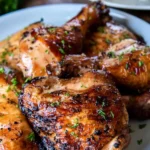
Professional Savory Grilled Chicken Marinade
- Total Time: 1 hour 20 minutes
- Yield: 8 servings 1x
- Diet: General
Description
This is the Best Grilled Chicken Marinade for tender, juicy chicken with bold flavor and beautiful color. It’s an easy way to level up your next BBQ or weeknight cookout.
Ingredients
- ⅔ cup olive oil
- ⅔ cup less sodium soy sauce
- 1 lemon, juiced
- 1 tablespoon brown sugar
- 2 tablespoons spicy brown mustard
- 1 teaspoon fresh ground black pepper
- 1 teaspoon garlic powder
- ½ teaspoon liquid smoke flavoring
- 1 teaspoon chili garlic sauce (optional)
- 2 to 3 pounds assorted chicken pieces
Instructions
- Step: Place all the marinade ingredients in a small mixing bowl and whisk until well combined.
- Step: Place the chicken into a gallon sized plastic storage bag and add the marinade (split the chicken between two bags, if needed).
- Step: Seal the bag and turn it around a few times to distribute the marinade.
- Step: Refrigerate for at least 1 hour or up to 8 hours.
- Step: Grill over medium-high heat until seared then continue to cook over indirect heat until the internal temperature of the thickest portion of chicken reaches 165 degrees F.
Notes
Use chicken pieces of similar size for even cooking. Avoid marinating longer than 8 hours to prevent a mushy texture. Use a meat thermometer to ensure the chicken reaches a safe internal temperature of 165°F.
- Prep Time: 5 minutes
- Cook Time: 15 minutes
- Category: Main Dish
- Method: Grilling
- Cuisine: American
Nutrition
- Serving Size: 1 serving
- Calories: 434 kcal
- Sugar: 2 g
- Sodium: 865 mg
- Fat: 36 g
- Saturated Fat: 7 g
- Unsaturated Fat: 29 g
- Trans Fat: 0 g
- Carbohydrates: 5 g
- Fiber: 1 g
- Protein: 23 g
- Cholesterol: 87 mg