
This slow cooker Korean beef is a convenient way to prepare tender, flavorful meat with a sweet and savory glaze. Serve it over steamed rice with a side of vegetables for a complete and satisfying meal.

List of ingredients
- 1.5 lbs flank steak – cut into large chunks or left whole.
- 1/4 cup corn starch – used to thicken the sauce.
- 2 tbsp sesame oil – provides a toasted nut flavor.
- 1/2 tsp garlic powder – adds a savory depth.
- 1/2 cup soy sauce – the primary salty base.
- 3/4 cup brown sugar – adds sweetness and helps with caramelization.
- 1 diced onion – adds texture and aromatic flavor.
- 1/4 tsp red pepper flakes – provides a subtle hint of heat.
step-by-step instructions
- Whisk the sauce: In a medium bowl, combine 1/4 cup cornstarch, 2 tbsp sesame oil, 1/2 tsp garlic powder, 1/2 cup soy sauce, 3/4 cup brown sugar, 1 diced onion, and 1/4 tsp red pepper flakes. Stir until the ingredients are well combined.
- Prepare the slow cooker: Place 1.5 lbs of flank steak into the crock pot. Pour the prepared sauce mixture evenly over the meat to ensure full coverage.
- Cook the beef: Cover the pot with a lid. Cook on the low setting for 6 to 8 hours, or on the high setting for 3 to 4 hours.
- Shred and coat: Remove the meat from the pot. Cut it into small pieces or shred it using two forks, then return the beef to the crock pot and stir to coat it thoroughly in the sauce.
- Serve: Portion the beef over cooked rice.
Optimizing Your Meat Selection
Using Chuck Roast for Extra Tenderness
Chuck roast is a budget-friendly alternative that works exceptionally well in a slow cooker. Because it has more connective tissue than flank steak, it becomes very tender and juicy after several hours of low-heat cooking.
Adapting the Recipe for Ground Beef
If you prefer ground beef, you can brown the meat in a skillet before adding it to the crock pot. Reduce the cooking time to 2-3 hours on low to prevent the meat from overcooking while the flavors meld.
Substituting with Chicken Thighs
Boneless, skinless chicken thighs are a great lean protein substitute for beef. They remain moist during the long cooking process and absorb the soy and ginger flavors effectively.
Utilizing Beef Tenderloin
Beef tenderloin provides a more premium, melt-in-your-mouth texture. Since it is leaner, stick to the shorter end of the cooking time range to avoid drying out the meat.
Customizing the Flavor Profile
Increasing Heat with Gochujang
For a more authentic Korean flavor, stir in a tablespoon of gochujang, which is a fermented chili paste. This adds a complex, spicy, and slightly sweet depth to the sauce.
Adding Sriracha for a Tangy Kick
If you prefer a sharper heat, add a swirl of sriracha sauce during the last hour of cooking. This provides a vinegary tang that cuts through the richness of the brown sugar.
Using Fresh Garlic for Stronger Aroma
Substitute the garlic powder with three to four cloves of minced fresh garlic. Fresh garlic provides a punchier, more aromatic profile that complements the sesame oil.
Adjusting the Sweetness Levels
If you prefer a less sweet sauce, reduce the brown sugar to 1/2 cup. You can also substitute honey or maple syrup for a different type of sweetness.
Adding Grated Fresh Ginger
Adding one teaspoon of freshly grated ginger to the sauce mixture introduces a zesty, warm note. This is a common element in traditional Korean BBQ that enhances the soy sauce base.
Incorporating Vegetables
Adding Sliced Carrots
Thickly sliced carrots can be added at the beginning of the cooking process. They soften and absorb the sauce, providing a nice color and natural sweetness to the dish.
Integrating Broccoli Florets
Add broccoli florets during the last 30 to 60 minutes of cooking. This prevents the broccoli from becoming mushy while allowing it to steam in the savory juices.
Mixing in Snap Peas
Fresh snap peas should be stirred in just before serving. A quick 10-minute simmer in the hot sauce keeps them crisp and bright green.
Adding Bell Peppers
Sliced red and green bell peppers add a mild sweetness and visual appeal. Add them during the final hour of cooking to maintain some of their structural integrity.
Recommended Serving Options
Classic Steamed White Rice
Short-grain white rice is the traditional accompaniment for this dish. Its neutral flavor and sticky texture make it perfect for soaking up the thick Korean glaze.
Nutritious Brown Rice or Quinoa
For a heartier option, serve the beef over steamed brown rice or quinoa. These grains provide more fiber and a nutty flavor that pairs well with the sesame oil.
Low-Carb Cauliflower Rice
Sautéed cauliflower rice is an excellent low-carb alternative. It maintains a similar texture to rice and allows the bold flavors of the beef to stand out.
Noodles or Zucchini Noodles
Toss the shredded beef and sauce with udon noodles or rice noodles for a pasta-style meal. Zucchini noodles are a great option for those avoiding grains.
Korean Beef Tacos
Place the shredded beef into warm flour tortillas. Top with a fresh cabbage slaw and a drizzle of lime juice for a fusion-style dinner.
Practical Cooking Tips
Marinating the Meat Overnight
If you have time, slice the steak into strips and mix them with the sauce in a container. Let it marinate in the fridge overnight before adding everything to the slow cooker in the morning.
Using Slow Cooker Liners for Easy Cleanup
The sugar in the sauce can sometimes stick to the sides of the ceramic pot. Using a heat-resistant liner allows you to lift the entire meal out and toss the liner away.
Selecting the Right Slow Cooker Size
A 6-quart slow cooker is ideal for this recipe. It provides enough room for the meat to be fully submerged in the sauce without overflowing.
Preventing Sauce Separation
If the sauce appears to separate, give it a vigorous stir before serving. The cornstarch may settle at the bottom, and stirring redistributes the thickening agent.
Storage and Preservation
Refrigeration Guidelines
Store leftovers in an airtight container in the refrigerator for up to 5 to 7 days. The flavors often deepen and improve after a day of chilling.
Freezing the Cooked Beef
Once completely cooled, place the beef and sauce in a freezer-safe bag or container. It will maintain its quality for up to 3 months in the freezer.
Thawing Instructions
Thaw frozen beef in the refrigerator overnight for the safest results. Avoid thawing on the counter to prevent bacterial growth.
Reheating Methods
Microwave Reheating
Place a portion of beef and rice in a microwave-safe dish. Cover with a damp paper towel and heat in 1-minute intervals, stirring in between to ensure even heating.
Stovetop Reheating
Add the beef to a skillet over medium-low heat. Add a splash of water or beef broth to loosen the sauce and prevent it from burning as it heats through.
Alternative Preparation Methods
Instant Pot Pressure Cooking
Combine all ingredients in the Instant Pot. Cook on high pressure for 45 minutes, followed by a 15-minute natural pressure release for tender results.
Common Questions
Can I cook with frozen meat?
Yes, you can place frozen meat directly into the slow cooker. However, cooking on the low setting for a longer duration is recommended to ensure the meat reaches a safe internal temperature and remains tender.
How do I thicken the sauce if it is too thin?
Mix one tablespoon of cornstarch with one tablespoon of cold water to create a slurry. Stir this into the simmering sauce during the last 30 minutes of cooking.
Can I use low-sodium soy sauce?
Yes, low-sodium soy sauce is a great substitute to reduce the overall salt content. You may need to add a pinch of salt at the end to balance the flavors.
What is the best way to shred the beef?
Use two forks to pull the meat apart along the grain. Because the beef is slow-cooked, it should fall apart easily with minimal effort.
Can I substitute the brown sugar?
You can use honey, maple syrup, or coconut sugar as a replacement. Be mindful that liquid sweeteners may slightly change the consistency of the sauce.
What can I use instead of sesame oil?
If you do not have sesame oil, you can use a neutral oil like canola or vegetable oil. To mimic the flavor, add a teaspoon of toasted sesame seeds to the finished dish.
How do I prevent the onion from disappearing?
If you prefer chunks of onion, add half at the beginning and the other half during the last two hours of cooking. This ensures some onions are soft and others have more texture.
Print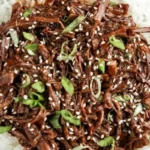
Slow Cooker Korean Beef
- Total Time: 6 hours 5 minutes
- Yield: 8 servings 1x
- Diet: General
Description
You are going to love this korean bbq recipe slow cooked in the crock pot all day. Serve this korean bbq recipe over rice and a side of veggies.
Ingredients
- 1.5 lbs flank steak
- 1/4 cup corn starch
- 2 tbsp sesame oil
- 1/2 tsp garlic powder
- 1/2 cup soy sauce
- 3/4 cup brown sugar
- 1 diced onion
- 1/4 tsp red pepper flakes
Instructions
- Step 1: In a bowl, whisk together ¼ cup cornstarch, 2 Tbsp sesame oil, ½ tsp garlic powder, ½ cup soy sauce, ¾ cup brown sugar, 1 diced onion, and ¼ tsp red pepper flakes until combined.
- Step 2: Place 1.5 lbs flank steak in a crock pot and pour the sauce mixture over the meat.
- Step 3: Cover and cook on low for 6–8 hours or high for 3–4 hours.
- Step 4: Remove the meat, cut into pieces or shred, then return it to the crock pot and stir to coat.
- Step 5: Serve over rice.
Notes
We love serving this topped with sliced green onions and sesame seeds. Refrigerate the leftovers in an air tight container for up to 5-7 days.
- Prep Time: 5 minutes
- Cook Time: 6 hours
- Category: Main Course
- Method: Slow Cooking
- Cuisine: Korean
Nutrition
- Serving Size: 1 serving
- Calories: 256 kcal
- Sugar: 21 g
- Sodium: 863 mg
- Fat: 8 g
- Saturated Fat: 2 g
- Unsaturated Fat: 6 g
- Trans Fat: 0 g
- Carbohydrates: 26 g
- Fiber: 1 g
- Protein: 20 g
- Cholesterol: 51 mg