
This hearty ground beef goulash is a simple one-pan meal perfect for busy weeknights. It combines tender macaroni and lean beef in a savory tomato sauce for a filling dinner.

List of ingredients
- 1 tbsp olive oil – used for sautéing the vegetables.
- 1 cup onion, diced – provides a sweet and aromatic base.
- 1 green bell pepper, diced – adds a mild bitterness and crunch.
- 2 lbs. ground beef, lean – the main protein source.
- 3 tsp garlic, minced – adds pungent, savory depth.
- 2 15 oz cans tomato sauce – creates the smooth base of the sauce.
- 2 15 oz cans petite diced tomatoes – adds texture and acidity.
- 3 cups beef broth – provides liquid for cooking the pasta and rich flavor.
- 3 tbsp Worcestershire Sauce – enhances the savory umami notes.
- 2 tsp seasoned salt – ensures balanced seasoning throughout.
- 2 tbsp Italian Seasoning – adds a blend of aromatic herbs.
- 3 bay leaves – infuses a subtle woody aroma.
- 2 cups macaroni noodles, uncooked – the primary starch.
- 1 cup cheddar cheese, shredded – adds richness and creaminess at the end.
step-by-step instructions
- Sauté aromatics and meat: Heat olive oil in a large pot over medium-high heat. Add the diced onion, bell pepper, and ground beef, cooking until the beef is no longer pink.
- Drain and flavor: Drain any excess fat from the pot and return it to the stove top. Add the minced garlic and stir for about 30 seconds until it becomes fragrant.
- Combine sauce and pasta: Pour in the tomato sauce, diced tomatoes, beef broth, Worcestershire sauce, seasoned salt, Italian seasoning, bay leaves, and uncooked macaroni noodles. Stir well and bring the mixture to a boil.
- Simmer: Reduce the heat to a light boil and stir occasionally to prevent sticking. Let it simmer until the pasta is tender, which usually takes about 20 minutes.
- Final touch: Remove and discard the bay leaves. Stir in the shredded cheddar cheese just before serving to incorporate it fully.
Cooking Techniques for Best Results
Browning the Meat Correctly
Ensure the pot is sufficiently hot before adding the ground beef to achieve a proper sear. Browning the meat creates a Maillard reaction, which deeply enhances the savory flavor of the final dish. Avoid crowding the pan too much if you are using a smaller pot to prevent the meat from steaming instead of searing.
Managing the Simmer
Maintain a gentle simmer rather than a rolling boil once the pasta is added. A light boil prevents the liquid from evaporating too quickly, ensuring the macaroni has enough moisture to cook through. Stirring every few minutes prevents the noodles from clumping or sticking to the bottom of the pot.
Pasta Texture Control
Begin testing the macaroni a few minutes before the 20-minute mark to ensure it reaches your preferred doneness. Overcooking the pasta can lead to a mushy consistency and a thicker, gluey sauce. Aim for al dente, as the pasta will continue to soften slightly while sitting in the hot sauce before serving.
Ingredient Alternatives and Swaps
Using Ground Turkey
For a leaner protein option, replace the ground beef with lean ground turkey. Turkey has a milder flavor, so you may want to add an extra pinch of seasoned salt or black pepper. Since turkey is leaner, you might not need to drain as much fat after the initial browning step.
Alternative Pasta Shapes
While macaroni is traditional, any small, sturdy pasta shape will work well in this recipe. Shells, ditalini, or rotini are excellent choices that hold onto the tomato sauce effectively. Be mindful that different pasta shapes may have different cooking times, so adjust the simmer duration accordingly.
Adding Extra Vegetables
To increase the nutritional value, stir in diced carrots, peas, or corn along with the onions. You can also add fresh baby spinach or chopped kale during the last two minutes of simmering. These additions add color and texture without altering the core flavor of the goulash.
Low-Sodium Adjustments
Swap the standard beef broth and canned tomatoes for low-sodium versions to reduce the overall salt content. You can also reduce the amount of seasoned salt and rely more on fresh herbs or black pepper. This allows you to control the salt levels based on your dietary needs.
Customizing the Flavor Profile
Increasing the Creaminess
For a richer, creamier texture, stir in a half-cup of sour cream or Greek yogurt after removing the pot from the heat. This balances the acidity of the tomatoes and creates a velvet-like sauce. Ensure the dairy is stirred in at the very end to prevent it from curdling.
Adding a Spicy Kick
Introduce heat by adding a teaspoon of red pepper flakes or a diced jalapeño during the sautéing stage. You can also stir in a tablespoon of sriracha or hot sauce just before serving. Adjust the amount based on your tolerance for spice.
Adjusting the Sauce Thickness
If you prefer a soupier consistency, increase the beef broth by one to two cups. Conversely, if the sauce is too thin, let it simmer uncovered for an additional five to ten minutes. You can also mash a few of the cooked noodles against the side of the pot to release more starch into the liquid.
Serving and Presentation Ideas
Garnishing with Fresh Herbs
Top each bowl with freshly chopped parsley or basil to add a pop of color and brightness. Green onions, thinly sliced, also provide a sharp contrast to the rich cheese and beef. This simple addition makes the one-pot meal look more polished for guests.
Pairing with Side Dishes
Serve the goulash with a side of crusty garlic bread or toasted baguette to scoop up the extra sauce. A crisp green salad with a light vinaigrette provides a refreshing balance to the heavy, savory flavors of the pasta. Steamed broccoli or roasted cauliflower are also healthy pairing options.
Family-Style Serving
Transfer the goulash to a large ceramic serving bowl or a cast-iron skillet to keep it warm on the table. This allows everyone to serve themselves and encourages a casual dining atmosphere. Sprinkle extra shredded cheese on top while it is still hot for a visually appealing melted layer.
Storage and Preservation
Refrigeration Guidelines
Store leftover goulash in an airtight container in the refrigerator for up to four days. Ensure the dish has cooled slightly before sealing it to prevent excessive condensation. Keep the container tightly sealed to prevent the pasta from absorbing odors from other foods.
Freezing Instructions
This dish freezes well for up to three months if stored in freezer-safe bags or containers. Portion the goulash into single servings for easier reheating later. Press as much air out of the bags as possible to prevent freezer burn.
Thawing Methods
The best way to thaw frozen goulash is to place it in the refrigerator overnight. This slow thawing process preserves the texture of the pasta and prevents the sauce from separating. Avoid thawing it on the counter at room temperature for safety reasons.
Reheating Your Goulash
Stovetop Reheating
Place the leftovers in a small pot over medium-low heat. Add a splash of beef broth or water to loosen the sauce, as the pasta will likely have absorbed much of the liquid during storage. Stir gently and heat until steaming throughout.
Microwave Method
Heat the goulash in a microwave-safe bowl, covering it with a damp paper towel to retain moisture. Heat in one-minute intervals, stirring in between to ensure even heating. This prevents hot spots and keeps the cheese from becoming rubbery.
Preventing Dry Pasta
Because macaroni continues to absorb liquid over time, reheated goulash often seems dry. Always add a small amount of liquid (broth, water, or tomato sauce) before reheating. This restores the original sauce-to-pasta ratio and improves the overall mouthfeel.
Make-Ahead Planning
Preparing the Base
You can brown the beef and sauté the vegetables up to two days in advance. Store this mixture in the refrigerator and simply add the liquid and pasta when you are ready to cook the final meal. This reduces the active cooking time on a busy evening.
Cooking Pasta Separately
If you plan to freeze the dish or store it for several days, consider cooking the macaroni separately. Mix the cooked pasta with the sauce only when reheating. This prevents the noodles from becoming overcooked or mushy during the storage and reheating process.
Timing the Cheese
When making the goulash in a large batch for later use, omit the cheese during the initial cook. Stir in the shredded cheddar only during the reheating phase. This ensures the cheese remains creamy and stretchy rather than becoming oily.
Troubleshooting Common Issues
Overcooked Pasta
If the macaroni becomes too soft, it is often due to over-simmering or too much heat. To fix this in the future, set a timer and start checking the texture early. If already overcooked, avoid stirring too vigorously, which can break the noodles further.
Too Much Liquid
If the goulash is too watery, simmer the pot without a lid for several minutes to allow the liquid to reduce. You can also stir in a small amount of cornstarch slurry (cornstarch mixed with cold water) to thicken the sauce quickly. Ensure you stir constantly to avoid clumps.
Too Thick Sauce
A sauce that is too thick usually happens when the pasta absorbs too much liquid. Simply stir in a quarter-cup of beef broth or water and heat through. This will loosen the sauce and return it to a creamy, pourable consistency.
Frequently Asked Questions
Can I use a different cheese?
Yes, you can use Monterey Jack, Colby, or a blend of Italian cheeses like Mozzarella and Parmesan. Sharp cheddar is recommended for the strongest flavor, but any melting cheese will work well.
Is this suitable for a slow cooker?
This specific recipe is designed for the stovetop, but it can be adapted. Brown the beef and vegetables first, then add everything except the pasta and cheese to the slow cooker. Add the pasta and cheese during the last 30-60 minutes of cooking.
Which type of onion works best?
Yellow onions are the best all-purpose choice for their balanced sweetness and pungency. White onions offer a sharper taste, while sweet onions provide a milder, more sugary flavor profile.
Print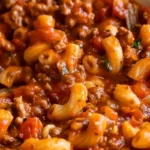
One-Pot American Beef Goulash
- Total Time: 35 minutes
- Yield: 10 servings 1x
- Diet: General
Description
This Ground Beef Goulash Recipe is a quick and easy one pan dinner that’s pure comfort food.
Ingredients
- 1 tbsp olive oil
- 1 cup onion, diced
- 1 green bell pepper, diced
- 2 lbs ground beef, lean
- 3 tsp garlic, minced
- 2 15 oz cans tomato sauce
- 2 15 oz cans petite diced tomatoes
- 3 cups beef broth
- 3 tbsp Worcestershire sauce
- 2 tsp seasoned salt
- 2 tbsp Italian seasoning
- 3 bay leaves
- 2 cups macaroni noodles, uncooked
- 1 cup microbial-rennet cheddar cheese, shredded
Instructions
- Brown: Add olive oil to large pot over medium-high heat. Add in the onion, bell pepper and ground beef then cook until beef is no longer pink. Drain any excess fat and return pot to stove top. Add in garlic and stir until fragrant (about 30 seconds).
- Simmer: Pour in the tomato sauce, diced tomatoes, beef broth, Worcestershire sauce, seasoned salt, Italian seasoning, bay leaves and dried macaroni noodles. Stir and bring mixture to a boil. Reduce heat to a light boil and stir occasionally until the pasta is tender, about 20 minutes.
- Finish: Remove the bay leaves and stir in the cheddar cheese just before serving.
Notes
Use a large pot as this recipe makes a large yield. You can swap macaroni for other small pastas or use ground turkey for a leaner version.
- Prep Time: 5 minutes
- Cook Time: 30 minutes
- Category: Main Dish
- Method: One-pot simmering
- Cuisine: American
Nutrition
- Serving Size: 1 serving
- Calories: 388 kcal
- Sugar: 2 g
- Sodium: 918 mg
- Fat: 24 g
- Saturated Fat: 10 g
- Unsaturated Fat: 14 g
- Trans Fat: 0 g
- Carbohydrates: 20 g
- Fiber: 2 g
- Protein: 22 g
- Cholesterol: 76 mg