
Blanching is a fast and efficient way to remove peach skins without wasting fruit. This method is perfect for preparing peaches for baking, canning, or long-term freezing.

List of ingredients
- Ripe peaches – ensures easy peeling and best flavor.
step-by-step instructions
- Prepare Ice Bath: Fill a large bowl with cold water and add a handful of ice cubes. Set this aside for later use.
- Boil Water: Fill a medium or large pot with water about 4-6 inches deep. Place the pot over high heat and bring it to a rolling boil.
- Add Peaches: Using a spider tool or large spoon, gently lower washed peaches into the water. Process 3-4 peaches at a time to avoid overcrowding, or pour boiling water over peaches in a bowl.
- Blanch: Boil the peaches for exactly 60 seconds. This time allows the skin to loosen without cooking the flesh.
- Shock: Drain the peaches and immediately transfer them to the prepared ice bath. This stops the cooking process instantly.
- Peel and Prepare: Once cooled enough to handle, peel off the skins. Discard the skins and slice or chop the fruit as desired.
Expert Fruit Selection
Choosing Peak Ripeness
Select peaches that give slightly under gentle pressure when squeezed. Avoid those that are rock hard as the skin will not loosen during the blanching process. Overripe fruit may fall apart or become too mushy during the boiling phase.
Checking for Firmness
Use your thumb to press gently near the stem end of the fruit. A slight indentation indicates the peach is ready for blanching. This ensures the flesh remains intact while the skin separates cleanly.
Recognizing Quality Peaches
Look for fruit with a strong, sweet fragrance. While color varies by variety, avoid peaches with deep bruising or soft spots. High-quality fruit produces a better result when sliced or frozen.
Identifying Proper Texture
The ideal peach for this method is ripe but still holds its shape. If the fruit is too soft, the skin may tear during the peeling process. If it is too firm, the skin will remain adhered to the fruit.
Advanced Peeling Techniques
Scoring the Peach Skin
Use a small paring knife to cut a shallow cross at the bottom of the peach, opposite the stem. Only cut through the skin without slicing into the flesh. This creates a starting point that makes peeling even faster.
Using a Slotted Spoon
A spider tool or slotted spoon allows you to lower the fruit into the boiling water safely. It also makes it easier to remove them quickly after exactly 60 seconds. This prevents the fruit from overcooking.
The Pour-Over Method
Place your washed peaches in a heat-proof bowl. Carefully pour boiling water over the fruit until they are completely submerged. This is a faster alternative for smaller quantities of fruit.
Choosing the Right Pot Size
Use a pot large enough to hold 3-4 peaches without them crowding each other. Overcrowding lowers the water temperature and slows the blanching process. A wider pot ensures even heat distribution for all pieces.
Temperature Maintenance
Keep the water at a rolling boil before adding the fruit. If the water stops boiling, wait for it to return to a full boil before adding the next batch. This ensures consistency across every peach processed.
Using a Kitchen Timer
Precision is key to avoiding overcooked fruit. Use a digital timer to track the exact 60 seconds of boiling. Even a few extra seconds can change the texture of the peach flesh.
Preservation and Storage
Flash Freezing on Trays
Arrange sliced or halved blanched peaches on a baking sheet. Ensure they do not touch to prevent them from clumping together in the freezer. Freeze for at least one hour before moving them to a bag.
Airtight Storage Solutions
Use heavy-duty freezer bags or vacuum-sealed containers for long-term storage. Squeeze out as much air as possible before sealing the bag. This preserves the flavor and prevents oxidation.
Long-term Storage Duration
Store blanched peaches in the freezer for up to six months. Label the containers with the date of preparation for easy tracking. Use them in recipes as needed without needing to thaw completely.
Preventing Freezer Burn
Add a small amount of lemon juice to the peaches before freezing to maintain color. Ensure the seal on your storage container is completely airtight. This helps maintain the bright yellow hue of the fruit.
Optimizing Ice Bath Efficiency
Use a large bowl to allow the peaches to float freely in the cold water. Add fresh ice cubes every few batches to keep the water near freezing. This maximizes the thermal shock required to stop the cooking.
Fruit Alternatives
Blanching Nectarines
Nectarines have smoother skin but can be blanched using the same method. Use the same 60-second boiling time for optimal results. The process is nearly identical to peeling peaches.
Peeling Plums
Plums are smaller and may require slightly less time in the boiling water. Work in small batches to maintain the water temperature. Transfer them immediately to the ice bath to preserve the flesh.
Preparing Tomatoes for Sauce
Use this method to remove tomato skins for smooth sauces or salsas. Boil them for 30 to 60 seconds depending on the size. The skins will slip off easily after the cold shock.
Handling Apricots
Apricots can also be blanched, although their smaller size makes them more delicate. Reduce the boiling time slightly to avoid overcooking. Follow the same ice bath and peeling sequence.
Troubleshooting Common Issues
Handling Skins That Won’t Release
If the skin clings to the fruit, the peach was not boiled long enough. Return the fruit to boiling water for another 30 seconds. Immediately re-chill in the ice bath before attempting to peel again.
Managing Overcooked Fruit
If the peach feels mushy or soft, you have boiled it for too long. Reduce the boiling time for the next batch of fruit. The goal is to loosen the skin, not to cook the fruit through.
Fixing Watery Fruit
A rapid temperature drop in the ice bath is essential for quality. If the fruit feels watery, ensure you are using enough ice cubes in your bowl. This shocks the fruit and locks in the texture.
Dealing with Torn Skins
Torn skins often occur when the fruit is overripe or handled too roughly. Use a gentler touch when transferring peaches from the pot to the ice bath. Scoring the skin can also reduce tearing.
Serving and Usage Ideas
Using Peaches in Cobblers
Slice the blanched peaches into thick wedges for a rustic feel. Toss them with sugar and cornstarch before baking. The lack of skin allows for a smoother, more consistent texture.
Creating Homemade Peach Jam
Dice the blanched peaches into small, uniform pieces. Simmer them with sugar and lemon juice over medium heat. The absence of skin results in a more refined and professional jam.
Incorporating Peaches into Galettes
Cut the blanched peaches into thin, elegant slices. Arrange them in a concentric circle on the pastry dough. The skinless fruit provides a cleaner appearance for the final bake.
Adding Peaches to Salads
Use freshly blanched and chilled peaches in a summer salad. Pair them with fresh mozzarella and basil for a sweet and savory mix. The smooth surface blends well with other ingredients.
Frequently Asked Questions
Why won’t my peaches peel after blanching?
They likely did not stay in the boiling water long enough to loosen the skin. Try increasing the boil time by 30 seconds for the remaining fruit and ensure the water is at a rolling boil.
Do you need to wash your peaches before blanching them?
Yes, always wash fruit to remove dirt and surface residues. Use cool running water and a gentle brush if the peaches have significant debris on the skin.
Can I blanch frozen peaches?
No, this method is designed specifically for fresh fruit. Frozen peaches have already undergone cell wall breakdown and cannot be blanched to remove skin effectively.
Do I need to peel the peaches if I’m making jam?
It depends on your personal preference for texture. Peeling creates a smoother, more consistent jam, whereas leaving the skin on adds more fiber and a rustic look.
Print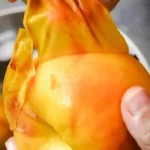
How to Blanch Peaches for Easy Peeling
- Total Time: 6 minutes
- Yield: 1 batch
- Diet: Vegan
Description
Blanching peaches is an easy way to remove their skins for slicing, baking and/or freezing. This is the best way to preserve as much of the fruit as possible, too.
Ingredients
- Ripe peaches
Instructions
- Step: Prepare an ice bath by filling a large bowl with cold water. Add a handful of ice cubes to water. Set aside.
- Step: Fill a medium or large pot with water so the water is about 4-6 inches deep. Place the pot over high heat on the stove and bring to a boil.
- Step: Using a spider tool or large spoon, gently lower the washed peaches into the water.
- Step: Boil the peaches for 60 seconds then drain and transfer the peaches to the prepared ice bath.
- Step: Once the peaches are cool enough to handle, peel off the skin. Discard the peach skin and slice or chop fruit as desired for baking or freezing.
Notes
Scoring the bottom of each peach with a small paring knife is optional. For freezing, place sliced peach halves in a single layer on a baking sheet for one hour before transferring to a freezer-safe container; store for up to 6 months.
- Prep Time: 5 minutes
- Cook Time: 1 minute
- Category: Baking
- Method: Blanching
- Cuisine: American
Nutrition
- Serving Size: 1 peach
- Calories: 60 kcal
- Sugar: 13 g
- Sodium: 1 mg
- Fat: 0.4 g
- Saturated Fat: 0.1 g
- Unsaturated Fat: 0.3 g
- Trans Fat: 0 g
- Carbohydrates: 15 g
- Fiber: 2 g
- Protein: 1.4 g
- Cholesterol: 0 mg