
This Creamy Beef and Shells recipe delivers a rich, cheesy, and comforting meal in just 30 minutes. It is an ideal solution for busy weeknights, offering a satisfying balance of savory beef and a velvety sauce.

List of ingredients
- 8 ounces medium pasta shells – medium size is recommended for sauce retention.
- 1 tablespoon olive oil – used for sautéing the beef and aromatics.
- 1 pound ground beef – 80/20 lean-to-fat ratio is suggested for optimal flavor.
- 1 small sweet onion – finely diced for a mild flavor base.
- 5 cloves garlic – minced to provide aromatic depth.
- 1 teaspoon Italian seasoning – a blend of classic herbs.
- 1 teaspoon dried parsley – adds a subtle earthy note.
- 1/2 teaspoon dried oregano – enhances the savory profile.
- 1/2 teaspoon smoked paprika – provides a hint of woodsy depth.
- 2 tablespoons all-purpose flour – acts as a thickening agent for the sauce.
- 1 cup beef stock – provides a rich liquid base for the gravy.
- 1 (15oz can) marinara sauce – a sweet and tangy tomato base.
- 3/4 cup heavy cream – creates a luxurious and smooth texture.
- 1/4 cup sour cream – adds a slight tang and extra creaminess.
- Kosher salt and freshly ground black pepper – used to taste.
- 1 1/2 cups cheddar cheese – freshly grated from a block for better melting.
step-by-step instructions
- Cook the pasta: Boil a large pot of salted water and cook the shells according to the package directions until al dente. Drain the pasta well and set it aside.
- Brown the beef: Heat olive oil in a large skillet over medium-high heat. Add the ground beef, breaking it apart with a wooden spoon, and cook until browned (about 3-5 minutes). Drain the excess fat and set the meat aside.
- Sauté aromatics: In the same skillet, add the diced onion and cook for 2 minutes, stirring frequently. Stir in the minced garlic and cook for about 1 minute until fragrant.
- Create the roux: Whisk in the all-purpose flour and cook for about 1 minute until the flour is lightly browned.
- Build the sauce base: Gradually whisk in the beef stock to combine. Stir in the marinara sauce, Italian seasoning, dried parsley, oregano, and smoked paprika.
- Simmer and thicken: Bring the mixture to a boil, then reduce the heat to low. Simmer, stirring occasionally, for 6-8 minutes until the sauce has reduced and thickened.
- Combine main components: Stir the cooked pasta shells and the browned beef back into the skillet.
- Add richness: Pour in the heavy cream and stir for 1-2 minutes until heated through. Taste the sauce and adjust the salt and pepper as needed.
- Finish with cream: Stir in the sour cream until fully incorporated.
- Melt the cheese: Fold in the freshly grated cheddar cheese and stir for 1-2 minutes until the cheese is completely melted and gooey.
- Serve: Plate the dish immediately and garnish with fresh parsley if desired.
Guide to Selecting Ground Beef
Using Ground Chuck for Balance
Ground chuck, typically an 80/20 blend, is the most recommended choice for this pasta. The 20% fat content provides enough moisture and flavor to keep the beef tender without making the sauce overly greasy. It balances the richness of the cream and cheese perfectly.
Managing Ground Round for Leaner Options
Ground round is a leaner alternative, often around 85/25. While it is healthier, it can dry out more quickly during the browning process. If using ground round, be careful not to overcook the meat to maintain a tender texture.
Handling High-Fat Ground Beef
Standard ground beef (70/30) contains a significant amount of fat, which can lead to an oily sauce. If you use this variety, it is critical to drain the fat thoroughly after browning. Leaving too much grease in the pan will prevent the flour from thickening the sauce properly.
Pasta Selection and Texture Tips
Prioritizing Medium Shells
Medium pasta shells are ideal because their concave shape acts as a scoop. This allows the beef and the thick cream sauce to settle inside each shell, ensuring every bite is packed with flavor. This is superior to flat noodles which let the sauce slide off.
Alternative Pasta Shapes
If shells are unavailable, use ridged pasta like cavatappi, rigatoni, or elbow macaroni. The ridges and hollow centers help the sauce cling to the noodle. Avoid very thin pastas like spaghetti, as they cannot support the weight of the ground beef and thick sauce.
The Importance of Al Dente Cooking
Cook your pasta just under the package’s al dente time. Since the shells are simmered in the sauce for several minutes at the end, overcooking them in the water will result in mushy pasta. Undercooking them slightly ensures they maintain a firm bite after the final assembly.
Sauce Customization and Adjustments
Controlling Sauce Thickness
If the sauce appears too thick after simmering, stir in a small amount of extra beef stock or marinara sauce. Conversely, if the sauce is too thin, allow it to simmer for an additional 2-3 minutes before adding the cream. The flour roux is the primary thickening agent, so ensure it is cooked for a full minute before adding liquids.
Increasing the Heat Level
For a spicier version, add diced jalapenos or poblano peppers during the onion sauté phase. You can also stir in a pinch of red pepper flakes or a tablespoon of buffalo sauce. These additions cut through the richness of the heavy cream and cheddar cheese.
Modifying the Cream Base
If you lack sour cream, substitute it with an equal amount of cream cheese or plain Greek yogurt. Cream cheese provides a denser richness, while Greek yogurt adds a sharper tang. Ensure these substitutes are stirred in at the very end to prevent curdling.
Vegetable Add-ins for Nutrition
Adding Fresh Zucchini and Mushrooms
Diced zucchini and sliced mushrooms add bulk and nutrients to the dish. Sauté them along with the onions and garlic until they are tender and browned. This ensures the vegetables are fully cooked and their flavors are integrated into the base.
Incorporating Bell Peppers
Yellow and orange bell peppers provide a sweet contrast to the savory beef. Dice them small so they distribute evenly throughout the pasta. Sauté them until they soften before adding the flour to the pan.
Adding Spinach or Kale
Fresh baby spinach or chopped kale can be stirred in during the final two minutes of cooking. The residual heat from the sauce will wilt the greens without overcooking them. This adds color and a boost of iron to the meal.
Cheese Variations and Melting Tips
The Benefit of Freshly Grated Cheese
Always grate your cheddar cheese from a block rather than using pre-shredded bags. Pre-shredded cheese is coated in potato starch or cellulose to prevent clumping, which hinders a smooth melt. Fresh cheese melts faster and creates a more cohesive, glossy sauce.
Using Pepper Jack for a Kick
Substitute half of the cheddar with Pepper Jack cheese for a spicy twist. The melting properties are similar to cheddar, but the infused peppers add a layered heat. This pairs exceptionally well with the smoked paprika in the recipe.
Blending Mozzarella and Monterey Jack
For a stretchier, more mild flavor, use a combination of mozzarella and Monterey Jack. This creates a pull similar to a classic cheesy pasta bake. It is often a favorite for children who prefer a less sharp cheese taste than cheddar.
Storage and Make-Ahead Advice
Refrigeration Guidelines
Store leftovers in an airtight container in the refrigerator for up to three days. As the pasta sits, it will naturally absorb more of the sauce, which may make the dish seem dry. This is a normal occurrence with cream-based pasta dishes.
Effective Reheating Methods
When reheating in a microwave or on the stove, add a splash of beef stock or heavy cream. This restores the creamy consistency and prevents the cheese from separating. Heat on medium-low to avoid scorching the dairy.
Freezing the Sauce Separately
For the best results when freezing, freeze the prepared beef and sauce separately from the pasta. Thaw the sauce overnight in the fridge and then combine it with freshly cooked pasta. This prevents the shells from becoming soggy or breaking apart during the thawing process.
Freezing the Completed Dish
If freezing the entire meal, undercook the pasta significantly. Thaw the dish completely in the refrigerator before reheating in the oven or on the stove. Drizzle a small amount of oil on the pasta before freezing to prevent the shells from sticking together.
Serving Suggestions and Pairings
Complementary Side Dishes
Serve this hearty pasta with a fresh Caesar salad to provide a crisp, acidic contrast to the rich sauce. Homemade garlic breadsticks are also an excellent addition for soaking up any remaining sauce on the plate.
Adding Toppings for Texture
Garnish the dish with chopped fresh parsley or sliced green onions for a pop of color and freshness. A sprinkle of extra parmesan cheese on top can add a salty, nutty dimension to the flavor profile.
Serving with Pickled Vegetables
Tangy sides such as bread and butter pickles or pickled red onions complement the richness of the beef and cream. The acidity helps cleanse the palate between bites of the heavy pasta.
Troubleshooting Common Issues
Why is my pasta soggy?
Sogginess usually occurs if the pasta is boiled too long before being added to the sauce. Because the shells continue to cook in the simmering sauce, they must be drained while still firm. Rinse them briefly with cold water after draining to stop the cooking process immediately.
How to fix a greasy sauce?
A greasy sauce is typically caused by not draining enough fat from the ground beef. If the finished dish looks oily, you can carefully skim the fat off the top with a spoon before adding the cheese. Using a leaner meat blend like 85/25 can prevent this issue entirely.
What to do if the sauce is too bland?
If the flavor is lacking, increase the amount of salt or add a teaspoon of Worcestershire sauce for extra umami. A small squeeze of fresh lemon juice can also brighten the flavors and balance the heavy cream and cheese.
Frequently Asked Questions
Can I use ground turkey instead of beef?
Yes, ground turkey is a suitable substitute. Since turkey is leaner than beef, you may need to add an extra tablespoon of olive oil to prevent the meat from sticking and to ensure it browns properly.
Can this recipe be made gluten-free?
Yes, simply replace the all-purpose flour with a gluten-free flour blend and use gluten-free pasta shells. The cooking times for gluten-free pasta vary significantly, so follow the package directions closely to avoid mushiness.
Is it possible to use whole wheat pasta?
Whole wheat pasta works well and adds more fiber to the dish. Be aware that whole wheat pasta has a stronger, nuttier flavor and often requires slightly more liquid in the sauce to prevent the dish from feeling dry.
Can I substitute the beef stock?
If you do not have beef stock, chicken stock or vegetable broth can be used. While the flavor will be slightly different, the thickening process and creamy texture will remain the same.
How do I prevent the cheese from clumping?
Lower the heat to low or turn it off entirely before folding in the cheese. Stirring constantly over low heat allows the cheese to melt gradually into the sauce rather than clumping together in high-heat spots.
Print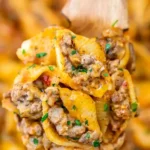
Creamy Beef and Shells
- Total Time: 30 minutes
- Yield: 6 servings 1x
- Diet: General
Description
Creamy Beef and Shells dish is creamy, rich, flavorful, and cheesy! Ready in 30 minutes, it’s perfect for a quick dinner for the whole family!
Ingredients
- 8 ounces medium pasta shells
- 1 tablespoon olive oil
- 1 pound ground beef
- 1 small sweet onion (diced)
- 5 cloves garlic (minced)
- 1 teaspoon Italian seasoning
- 1 teaspoon dried parsley
- 1/2 teaspoon dried oregano
- 1/2 teaspoon smoked paprika
- 2 tablespoons all-purpose flour
- 1 cup beef stock
- 1 (15oz can) marinara sauce
- 3/4 cup heavy cream
- 1/4 cup sour cream
- Kosher salt and freshly ground black pepper (to taste)
- 1 1/2 cups cheddar cheese (freshly grated)
Instructions
- Cook Pasta: Cook pasta per package instructions in a large pot of boiling salted water and drain well.
- Brown Beef: Heat olive oil in a large skillet over medium-high heat. Add ground beef and cook until browned, about 3-5 minutes, breaking it with a wooden spoon. Drain excess fat and set aside.
- Sauté Aromatics: In the same skillet, add diced onion and cook for 2 minutes, stirring frequently. Add garlic and cook until fragrant, about 1 minute.
- Whisk Flour: Whisk in flour until lightly browned, for about 1 minute.
- Create Sauce: Gradually whisk in beef stock and stir to combine. Add marinara sauce and stir in Italian seasoning, dried parsley, oregano, and paprika.
- Simmer: Bring to a boil, reduce heat, and simmer, stirring occasionally, until reduced and slightly thickened, about 6-8 minutes.
- Combine: Stir in cooked pasta, and add back beef.
- Cream Sauce: Stir in heavy cream until heated through, about 1-2 minutes. Taste and adjust for salt and pepper.
- Final Touch: Stir in the sour cream.
- Melt Cheese: Fold in the cheddar cheese until melted, about 1-2 minutes.
- Serve: Serve immediately, garnished with parsley if you’d like.
Notes
To prevent the pasta from being soggy, make sure to cook it just al dente. If the pasta is too dry, add more marinara sauce.
- Prep Time: 10 minutes
- Cook Time: 20 minutes
- Category: Main Course
- Method: Stovetop
- Cuisine: American
Nutrition
- Serving Size: 1 serving
- Calories: 480 kcal
- Sugar: 6 g
- Sodium: 370 mg
- Fat: 23 g
- Saturated Fat: 9 g
- Unsaturated Fat: 14 g
- Trans Fat: 0 g
- Carbohydrates: 39 g
- Fiber: 2 g
- Protein: 28 g
- Cholesterol: 66 mg