
Create a rich, concentrated fruit spread using fresh, ripe peaches. This recipe is a practical way to preserve the essence of summer for year-round use.

List of ingredients
- 1 pound fresh ripe peaches – ensure they are fragrant and soft to the touch.
- Sweetener (optional, such as sucanat) – add to taste based on the natural sweetness of the fruit.
step-by-step instructions
- Prepare the fruit: Wash the peaches, remove the pits, and cut them into quarters.
- Create the puree: Process the peach quarters in a food processor until smooth, taking care not to liquefy them completely.
- Begin cooking: Transfer the puree to a large pot over medium-low heat or a slow cooker set to low with the lid slightly ajar.
- Thicken the spread: Cook for 30-40 minutes on the stovetop or for several hours in the slow cooker until the mixture reaches a thick consistency.
- Finalize: Taste the butter and adjust the sweetener if necessary, then transfer the finished product into clean jars.
Creative Serving Suggestions
Warm Breakfast Breads
Spread the peach butter generously over toasted sourdough or warm, flaky buttermilk biscuits. The heat from the bread softens the butter, releasing the aromatic fruit scents. This is a classic way to start the morning with a touch of sweetness.
Savory Cheese Pairings
Combine the sweetness of the fruit with the saltiness of creamy cheeses. It pairs exceptionally well with soft brie or tangy goat cheese served on a crisp cracker. This contrast creates a sophisticated appetizer for guests.
Yogurt and Granola Parfaits
Swirl a few tablespoons of peach butter into thick Greek yogurt. Layer the mixture with toasted granola and fresh berries for added texture and nutritional value. It serves as a healthy, fruit-forward alternative to sugary store-bought syrups.
Griddle Cake Toppings
Use the butter as a concentrated topping for fluffy pancakes or Belgian waffles. Instead of maple syrup, the peach butter provides a thicker coating and more intense fruit flavor. It works well when paired with a pat of unsalted butter.
Baked Goods and Pastries
Use the spread as a filling for thumbprint cookies, tarts, or between layers of a sponge cake. Its thick consistency prevents it from soaking too deeply into the cake, maintaining the structural integrity of the dessert. This adds a burst of summer flavor to any pastry.
Savory Meat Glazes
Apply the peach butter as a glaze for grilled chicken breasts or roasted turkey. The natural sugars caramelize under high heat, creating a sticky, sweet crust. This balances the savory notes of the meat and adds a gourmet touch to dinner.
Expert Tips for Texture and Consistency
Selecting the Ideal Peaches
Choose peaches that are fragrant and give slightly when pressed near the stem. Overripe peaches may be too mushy, while underripe ones lack the necessary sugar and aroma. Fresh, seasonal fruit yields the most vibrant color and taste.
Managing the Puree Process
Pulse the peaches in the food processor in short bursts. The goal is a smooth puree rather than a thin juice, as too much liquid will increase the required cooking time. Maintaining some body in the puree helps the butter thicken faster.
Venting Steam in Slow Cookers
When using a slow cooker, always leave the lid slightly ajar. This allows steam to escape, which is essential for the reduction process. If the lid is sealed tight, the moisture stays in the pot and the butter will remain runny.
Preventing Bottom-Burn on the Stove
Use a heavy-bottomed stock pot to ensure even heat distribution. Stir the mixture frequently with a wooden spoon or silicone spatula to scrape the bottom. This prevents the fruit sugars from scorching and creating a burnt aftertaste.
Cooling Before Storage
Allow the peach butter to cool completely to room temperature before transferring it to jars. Sealing hot butter can create unwanted condensation inside the jar, which may shorten the shelf life. Cooling also helps the butter set into its final, thick texture.
Flavor Variations and Substitutions
Adding Warm Autumn Spices
Stir in a small amount of ground cinnamon or nutmeg during the last ten minutes of cooking. These spices complement the natural sweetness of the peaches and give the spread a warmer profile. This variation is particularly good for winter breakfasts.
Blending with Other Fruits
Experiment by mixing the peach puree with apple or apricot puree. Using a 50/50 split of peaches and apples adds a subtle tartness and changes the thickness of the final product. This is a great way to use up multiple types of seasonal fruit.
Brightening with Citrus
Add a teaspoon of fresh lemon juice to the mixture before cooking. The acidity of the lemon brightens the flavor of the peaches and prevents the color from dulling. It also helps balance the sweetness if you use a lot of added sugar.
Alternative Sweetener Options
If you prefer a different flavor profile, replace sucanat with honey or maple syrup. Honey adds a floral note, while maple syrup provides a deep, woody sweetness. Always taste the puree first, as very ripe peaches may not require any additional sweetener.
Storage and Maintenance Guide
Short-Term Refrigeration
Store the peach butter in airtight glass jars in the main body of the refrigerator. It will remain fresh and safe to eat for up to two weeks. Keep the jar tightly sealed to prevent the butter from absorbing other food odors.
Long-Term Freezing Methods
Transfer the butter into freezer-safe containers, leaving a small amount of headspace at the top for expansion. Properly frozen peach butter can last up to one year without losing its flavor. Thaw the container in the refrigerator overnight before use.
Quick Microwave Reheating
Place a small amount of butter in a microwave-safe bowl. Heat in short 30-second intervals, stirring between each burst to ensure even warming. This is the fastest way to make the butter spreadable for toast.
Gentle Stovetop Warming
Place the desired amount of peach butter in a small saucepan over low heat. Stir constantly until the butter reaches a fluid consistency. This method is ideal if you are warming a larger quantity for a group.
Oven Warming Technique
Place the butter in an oven-safe ramekin or small dish. Heat in an oven preheated to 350°F (175°C) until the edges are bubbling. This provides a warm, gooey texture that is perfect for topping desserts.
Troubleshooting Common Issues
Solving a Runny Consistency
If the butter is too thin after the recommended cooking time, it needs further reduction. Continue simmering on the stove or leave the slow cooker lid open for another hour. The mixture is ready when it coats the back of a spoon without running off.
Fixing a Burnt Taste
If the mixture has scorched, avoid stirring the burnt bits from the bottom into the rest of the butter. Carefully pour the unburnt top layer into a new pot and discard the scorched bottom layer. In the future, lower the heat and stir more frequently.
Balancing Too Much Sweetness
If the butter tastes overly sweet, add a pinch of salt or a squeeze of lemon juice. The salt enhances the fruit flavor while the acid cuts through the sugar. This restores a balanced, natural taste to the spread.
Removing Skin Texture
Some people find the bits of peach skin distracting in a smooth butter. To avoid this, blanch the peaches in boiling water for 30 seconds and shock them in ice water to peel the skins before pureeing. This results in a velvet-like professional finish.
Frequently Asked Questions
Can I use frozen peaches for this recipe?
Yes, frozen peaches work very well for making peach butter. Thaw them completely and drain any excess liquid before putting them in the food processor. Follow the rest of the cooking instructions as usual.
How do I can this peach butter for long-term storage?
Use a standard water bath canning method with sterilized jars and lids. Fill the jars leaving the appropriate headspace and process them in boiling water according to your altitude’s guidelines. This allows for shelf-stable storage for a year.
Do I need to add pectin to make it thicken?
No, pectin is not required for this specific recipe. The thickness comes from the slow reduction of the fruit’s natural water content. The natural pectins found in peaches concentrate as the puree simmers, creating the butter consistency.
Is it necessary to peel the peaches first?
Peeling is optional and depends on your preference for texture. Leaving the skins on adds more nutrients and a deeper orange color to the final spread. If you prefer a perfectly smooth consistency, peel them before pureeing.
Print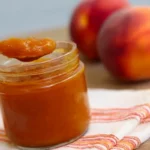
Simple Homemade Peach Butter Spread
- Total Time: 55 minutes
- Yield: 16 servings 1x
- Diet: Vegetarian
Description
Indulge in the vibrant flavors of Homemade Peach Butter, a delightful spread that encapsulates the essence of summer in every bite. This easy-to-make recipe transforms fresh, ripe peaches into a luscious, velvety butter perfect for breakfast, desserts, or as a thoughtful gift.
Ingredients
- 1 pound fresh ripe peaches
- Sweetener (optional, such as sucanat)
Instructions
- Step: Start by washing the peaches, removing their pits, and cutting them into quarters.
- Step: Puree the peach quarters in a food processor until smooth but not liquid.
- Step: Transfer the puree to either a slow cooker set on low (with lid slightly ajar) or a large pot over medium-low heat.
- Step: Cook for 30-40 minutes on the stovetop or several hours in the slow cooker until thickened.
- Step: Taste and adjust sweetness if needed before transferring to jars.
Notes
Store in airtight containers in the refrigerator for up to 2 weeks or freeze in freezer-safe jars for up to one year. This butter pairs well with toast, yogurt, or as a glaze for grilled chicken.
- Prep Time: 15 minutes
- Cook Time: 40 minutes
- Category: Condiments
- Method: Cooking
- Cuisine: American
Nutrition
- Serving Size: 1 serving
- Calories: 30 kcal
- Sugar: 6 g
- Sodium: 0 mg
- Fat: 0 g
- Saturated Fat: 0 g
- Unsaturated Fat: 0 g
- Trans Fat: 0 g
- Carbohydrates: 8 g
- Fiber: 0 g
- Protein: 0 g
- Cholesterol: 0 mg