
This savory stir fry combines chewy udon noodles with seasoned ground beef and crisp vegetables. It is a fast, high-protein meal that delivers rich umami flavors in under 20 minutes.

List of ingredients
- 200 g Ground beef – use lean beef for less grease.
- 200 g Udon noodles – fresh or dried, prepared according to package.
- 1 Large Pak Choi – chopped into bite-sized pieces.
- 3 cloves Garlic – minced finely.
- 200 g Bean sprouts – rinsed and drained.
- 1 tbsp Brown sugar – for a hint of sweetness.
- 1/2 tbsp Rice Vinegar – adds a bright acidic balance.
- 1 1/2 tbsp Light Soy sauce – provides the primary saltiness.
- 1 1/2 tbsp Dark Soy sauce – adds deep color and richness.
step-by-step instructions
- Prepare the produce: Chop the pak choi into bite-sized pieces, mince the garlic cloves, and rinse the bean sprouts under cold water. Set these aside for easy access during cooking.
- Mix the stir fry sauce: In a small bowl, combine the light soy sauce, dark soy sauce, brown sugar, and rice vinegar. Stir the mixture until the brown sugar is completely dissolved.
- Cook the noodles: Bring a pot of water to a boil and cook the udon noodles according to the package instructions until just tender. Drain them immediately and rinse under cold water to stop the cooking process and prevent sticking.
- Sauté the aromatics and meat: Heat one tablespoon of vegetable oil in a large pan or wok over medium-high heat. Add the minced garlic and sauté for about 30 seconds until fragrant. Add the ground beef, breaking it up with a spatula, and cook for 3-4 minutes until browned and cooked through.
- Cook the vegetables: Stir the chopped pak choi and rinsed bean sprouts into the pan with the beef. Stir-fry for 2-3 minutes until the vegetables are slightly wilted but still retain some crunch.
- Combine noodles and sauce: Add the cooked udon noodles to the pan. Pour the prepared stir fry sauce over the noodles and toss everything together until the ingredients are well combined.
- Final reduction: Continue cooking for another 2-3 minutes, stirring constantly. Ensure the sauce has evenly coated the noodles and everything is heated through.
- Serve: Remove the pan from the heat. Serve the udon hot, garnished with sliced green onions or sesame seeds if desired.
Protein Substitutions and Options
Using Ground Turkey or Chicken
You can replace the ground beef with ground turkey or chicken for a leaner protein option. These meats cook similarly to beef, though you may need a small amount of extra oil as they have less natural fat. Ensure the meat is fully browned before adding the vegetables.
Plant-Based Protein Alternatives
For a vegetarian version, use crumbled firm tofu or tempeh. Press the tofu to remove excess water before browning it in the pan. To ensure a meaty texture, sear the tofu until the edges are golden brown before adding the aromatics.
Adjusting Beef Fat Content
Using 80/20 ground beef provides more flavor but results in more rendered fat in the pan. If you use a high-fat beef, drain the excess grease after browning the meat and before adding the garlic and vegetables. This prevents the final dish from becoming oily.
Vegetable Customization
Adding Bell Peppers and Carrots
Red or yellow bell peppers and thinly sliced carrots add color and nutritional value. Add these vegetables at the same time as the pak choi. Sauté them for an extra minute if you prefer them softer.
Incorporating Snap Peas or Broccoli
Snap peas or small broccoli florets provide a satisfying crunch. Since broccoli takes longer to cook, add it two minutes before the pak choi. You can add a splash of water to the pan to steam the broccoli slightly.
Using Cabbage as a Base
Napa cabbage is an excellent alternative or addition to pak choi. Slice it into ribbons and stir-fry until translucent. This adds a mild sweetness and increases the volume of the meal.
Noodle Variations and Texture
Using Fresh vs Dried Udon
Fresh udon noodles have a softer, more authentic chew and cook very quickly. Dried udon requires boiling for several minutes longer. Regardless of the type, always rinse with cold water after boiling to remove excess starch and prevent clumping.
Substituting with Rice Noodles
Wide rice noodles can be used for a gluten-free alternative if the soy sauce is also replaced. Rice noodles are more delicate than udon, so toss them gently into the pan to avoid breaking the strands.
Substituting with Soba Noodles
Soba noodles made from buckwheat offer a nuttier flavor and a firmer texture. Like udon, they should be cooked al dente and rinsed. Be aware that soba absorbs sauce faster than udon, so you may need an extra tablespoon of sauce.
Sauce Enhancements and Tweaks
Gluten-Free Sauce Adjustments
To make this recipe gluten-free, replace both the light and dark soy sauces with tamari or coconut aminos. Tamari provides a similar salty profile, while coconut aminos are slightly sweeter and less salty.
Increasing the Heat Level
For a spicy version, add a teaspoon of chili flakes or a tablespoon of chili garlic oil during the garlic sauté step. You can also drizzle Sriracha or gochujang over the final plated dish for extra heat.
Balancing Sweetness and Acidity
If the sauce is too salty, add a small pinch more brown sugar. If it feels too heavy or sweet, increase the rice vinegar by a teaspoon to brighten the overall flavor profile.
Expert Stir-Fry Techniques
Maintaining High Pan Heat
To achieve a proper stir-fry, the pan or wok must be very hot before adding the oil. This prevents the meat from steaming in its own juices and instead allows it to sear. Work in batches if your pan is too small to avoid dropping the temperature.
Preventing Noodle Mushiness
Overcooking udon noodles during the boiling stage is the most common cause of mushy results. Boil them for one minute less than the package instructions. They will finish cooking in the pan when tossed with the hot sauce.
The Importance of Mise en Place
Stir-frying happens very quickly, leaving no time for chopping during the process. Have all your vegetables chopped and your sauce mixed in a bowl before turning on the stove. This ensures nothing burns while you are preparing the next ingredient.
Serving and Presentation Ideas
Adding Fresh Garnishes
Sliced green onions provide a fresh, sharp contrast to the rich soy sauce. Toasted white or black sesame seeds add a nutty aroma and professional visual appeal. A sprinkle of fresh cilantro also works well for a bright finish.
Pairing with Side Dishes
Serve this udon alongside a simple cucumber salad marinated in rice vinegar and sesame oil. A side of steamed edamame or a bowl of miso soup creates a complete and balanced Asian-inspired meal.
Plating for Better Texture
Use tongs to swirl the noodles into a high mound in the center of the bowl. Distribute the beef and vegetables evenly over the top so every bite contains a mix of all components.
Storage and Reheating Instructions
Refrigerator Storage
Store leftover udon in an airtight container in the refrigerator for up to 3 to 4 days. The noodles will absorb some of the sauce over time, which may make the dish look drier when cold.
Best Reheating Methods
Reheat the udon in a skillet over medium heat with a tablespoon of water or beef broth. This restores the moisture and prevents the noodles from becoming rubbery. Avoid overcooking during reheating to maintain the noodle texture.
Microwave Reheating Tips
If using a microwave, place the udon in a microwave-safe dish and cover it with a damp paper towel. Heat in 30-second intervals, stirring in between, until the dish is steaming hot.
Make-Ahead Advice
Prepping the Sauce and Veggies
The stir-fry sauce can be made up to a week in advance and stored in a sealed jar in the fridge. Vegetables like pak choi and carrots can be chopped and kept in airtight containers for 2-3 days.
Pre-cooking the Beef
You can brown the ground beef ahead of time and store it in the fridge. When ready to eat, simply add the pre-cooked beef to the pan with the garlic and vegetables to speed up the process.
Handling the Noodles
Do not boil the udon noodles hours in advance, as they may clump together. If you must pre-cook them, toss them with a teaspoon of vegetable oil after rinsing to keep the strands separate.
Troubleshooting Common Issues
What to do if the sauce is too thin?
If the sauce does not coat the noodles and remains watery, continue to stir-fry on high heat for another minute. The sugars in the brown sugar and soy sauce will caramelize and thicken as the liquid evaporates.
Why is my beef clumping?
Beef clumps when it is added to a pan that isn’t hot enough or when too much meat is added at once. Use a sturdy spatula to break the meat into small crumbles immediately after adding it to the hot oil.
How to fix bland flavors?
If the dish lacks punch, add a small splash of soy sauce or a pinch of salt at the very end. A tiny drop of toasted sesame oil added just before serving can also significantly enhance the aroma.
Frequently Asked Questions
Can I use other types of noodles instead of udon?
Yes, you can use rice noodles, soba noodles, or even thick spaghetti. Ensure you adjust the boiling time based on the specific noodle type to avoid overcooking.
Can I make this dish ahead of time?
While it is best enjoyed fresh, you can prep the sauce and chop vegetables in advance. The actual stir-frying process only takes a few minutes once the prep is complete.
What can I use as a substitute for ground beef?
Ground chicken, ground turkey, or plant-based crumbles are all suitable alternatives. Adjust the cooking time slightly based on the protein’s fat content and density.
Is it possible to add more vegetables?
Absolutely. You can add any stir-fry compatible vegetables like snap peas, baby corn, or sliced mushrooms. Just ensure they are cut into uniform sizes for even cooking.
How do I prevent the noodles from sticking?
Rinsing the cooked udon under cold water is the most effective way to remove surface starch. Adding a small amount of oil to the noodles after draining also helps keep them separate.
Print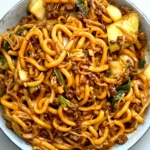
Ground Beef Yaki Udon Stir Fry
- Total Time: 20 minutes
- Yield: 2 servings 1x
- Diet: General
Description
Try this Udon Noodle Ground Beef Stir Fry, a quick and flavorful dish that combines tender beef, chewy udon noodles, and fresh veggies in a delicious soy sauce marinade.
Ingredients
- 200 g Ground beef
- 200 g Udon noodles
- 1 Large Pak Choi
- 3 cloves Garlic (minced)
- 200 g Bean sprouts
- 1 tbsp Brown sugar
- 1/2 tbsp Rice Vinegar
- 1 1/2 tbsp Light Soy sauce
- 1 1/2 tbsp Dark Soy sauce
Instructions
- Prep: Begin by preparing your ingredients. Chop the pak choi into bite-sized pieces, mince the garlic cloves, and rinse the bean sprouts under cold water. Set aside.
- Sauce: In a small bowl, mix together the light soy sauce, dark soy sauce, brown sugar, and rice vinegar. Stir until the sugar is dissolved. Set aside.
- Noodles: Bring a pot of water to a boil. Add the udon noodles and cook according to package instructions until they are just tender. Drain the noodles and rinse them under cold water to stop the cooking process. Set aside.
- Beef: Heat a tablespoon of vegetable oil in a large pan or wok over medium-high heat. Add the minced garlic and cook for about 30 seconds until fragrant. Add the ground beef to the pan, breaking it up with a spatula. Cook for 3-4 minutes until browned and cooked through.
- Vegetables: Add the chopped pak choi and rinsed bean sprouts to the pan with the cooked beef. Stir-fry for an additional 2-3 minutes until the vegetables are slightly wilted.
- Combine: Add the cooked udon noodles to the pan with the beef and vegetables. Pour the stir fry sauce over the noodles and toss everything together until well combined.
- Finish: Continue to cook for another 2-3 minutes, stirring constantly, until the sauce has evenly coated the noodles and everything is heated through.
- Serve: Once everything is cooked and heated through, remove the pan from the heat. Serve the udon noodle ground beef stir fry hot, garnished with sliced green onions or sesame seeds if desired.
Notes
For added flavor, marinate the ground beef in the sauce mixture for 15-20 minutes before cooking. Ensure noodles are cooked al dente to prevent them from becoming mushy.
- Prep Time: 5 minutes
- Cook Time: 15 minutes
- Category: Main Course
- Method: Stir Fry
- Cuisine: Asian, Chinese
Nutrition
- Serving Size: 1 serving
- Calories: 625 kcal
- Sugar: 12 g
- Sodium: 1200 mg
- Fat: 18 g
- Saturated Fat: 7 g
- Unsaturated Fat: 11 g
- Trans Fat: 0 g
- Carbohydrates: 75 g
- Fiber: 6 g
- Protein: 35 g
- Cholesterol: 70 mg