
This Chicken in Basil Cream Sauce is a quick, high-protein meal that tastes like a restaurant dish but takes only 30 minutes. It features crispy breaded cutlets paired with a rich, savory cream sauce infused with fresh basil.

List of ingredients
- 2 large boneless, skinless chicken breasts – sliced into cutlets.
- 1/2 cup milk – used for the breading dip.
- 3/4 cup dried Italian breadcrumbs – for a seasoned, crispy coating.
- 3 Tablespoons butter – for pan-searing the chicken.
- 2 cloves garlic, minced – adds base aromatic flavor to the sauce.
- 1/2 cup chicken broth – used for deglazing the skillet.
- 1 cup heavy whipping cream – creates the creamy sauce texture.
- 1/2 cup freshly grated Parmesan cheese – adds saltiness and thickness.
- 1/4 cup chopped fresh basil – provides a fresh herbal finish.
- 1/4 teaspoon black pepper – for basic seasoning.
step-by-step instructions
- Prepare the oven and dish: Preheat your oven to 275 degrees F and grease a 9×13-inch baking dish with nonstick spray.
- Prepare the cutlets: Slice each chicken breast in half horizontally to create four even cutlets, then pound each to a 1/2-inch thickness.
- Bread the chicken: Dip each cutlet thoroughly into the milk, then coat completely with the Italian breadcrumbs.
- Sear the chicken: Melt butter in a large skillet over medium heat and cook the coated cutlets until they are golden-brown on both sides.
- Finish in oven: Place the browned cutlets in the baking dish and put them in the oven to finish cooking while you make the sauce.
- Sauté garlic: Add the minced garlic to the same skillet used for the chicken and cook for 30 seconds over medium heat.
- Deglaze the pan: Pour in the chicken broth and bring it to a boil over medium-high heat, stirring to scrape up the browned bits.
- Add cream: Stir in the heavy whipping cream, bring it to a slight boil for several seconds, then reduce the heat to low.
- Thicken the sauce: Stir in the Parmesan cheese, chopped fresh basil, and black pepper, continuing to stir for about 5 minutes until thick.
- Assemble and serve: Remove the chicken from the oven once the internal temperature reaches 165 degrees F and pour the basil cream sauce over the top.
Procedures for Perfect Chicken Cutlets
Pounding for Uniform Thickness
Use a meat mallet or a heavy pan to flatten the chicken to a consistent half-inch thickness. This ensures that the thinner edges do not overcook while the center remains underdone. Uniformity allows the chicken to cook evenly across the entire surface during the searing process.
Achieving Maximum Breadcrumb Adhesion
Ensure the chicken is completely coated in milk before pressing it into the breadcrumbs. Press the crumbs firmly into the meat with your palms to create a tight seal. This prevents the breading from separating from the chicken when you flip it in the pan.
Controlling Skillet Temperature
Maintain a medium heat setting to ensure the butter does not burn before the chicken is browned. If the butter begins to smoke, lower the heat immediately to avoid a bitter taste. Searing slowly allows the breadcrumbs to develop a deep golden color without charring.
Utilizing the Low-Temperature Oven Finish
Baking the chicken at 275 degrees F prevents the meat from toughening or drying out. This gentle heat finishes the internal cooking process while keeping the juices locked inside. It allows you to focus on the sauce without worrying about overcooking the meat.
Technical Tips for the Basil Cream Sauce
Deglazing for Depth of Flavor
Use the chicken broth to loosen the brown bits, known as fond, from the bottom of the skillet. These caramelized proteins contain the most concentrated flavor from the seared meat. Stirring constantly during the boil ensures all these particles are incorporated into the sauce.
Managing Cream Stability
Bring the heavy cream to only a slight boil before reducing the heat to low. Excessive boiling can cause the cream to separate or break, resulting in an oily texture. Keeping the temperature low during the cheese integration prevents curdling.
Thickening the Sauce Naturally
Allow the Parmesan cheese and the reduction of the cream to thicken the sauce over five minutes. Avoid adding cornstarch or flour, as the cheese provides sufficient binding. Stirring continuously ensures the cheese melts smoothly without clumping.
Preserving Basil Color and Flavor
Add the fresh basil at the very end of the cooking process. Excessive heat can turn fresh basil brown and mute its bright, peppery flavor. Folding it in just before serving keeps the herbs vibrant and aromatic.
Ingredient Substitutions and Alternatives
Alternative Breading Options
If you do not have Italian breadcrumbs, you can use Panko breadcrumbs mixed with a pinch of dried oregano and garlic powder. For a gluten-free version, use almond meal or gluten-free breadcrumbs. Ensure the substitute is fine enough to adhere to the milk dip.
Dairy-Free Cream Substitutes
Replace heavy whipping cream with full-fat coconut milk or a cashew-based cream for a dairy-free alternative. Use a plant-based Parmesan substitute to maintain the salty, nutty profile. Note that coconut milk may add a slight coconut flavor to the dish.
Using Dried Basil Instead of Fresh
If fresh basil is unavailable, use 1 tablespoon of dried basil. Add the dried herbs when you add the chicken broth so they have time to rehydrate and release their oils. Dried herbs are more concentrated, so using less is necessary.
Cheese Variations for Different Profiles
Pecorino Romano can be used instead of Parmesan for a sharper, saltier taste. Gruyere or white cheddar can be used for a richer, meltier sauce, though the flavor will be less traditional. Adjust the salt in the recipe if using a saltier cheese like Pecorino.
Serving and Pairing Suggestions
Ideal Pasta Accompaniments
Serve the chicken and sauce over fettuccine or linguine to soak up the excess cream. Penne or rigatoni also work well as the sauce clings to the ridges of the pasta. Toss the pasta in a small amount of butter before plating for extra richness.
Vegetable Side Dish Options
Steamed asparagus or sautéed spinach provides a fresh, bitter contrast to the rich cream sauce. Roasted carrots or broccolini are also excellent choices for adding color and nutrients. Keep the vegetables lightly seasoned to avoid overpowering the basil.
Low-Carb Serving Ideas
Place the chicken and sauce over a bed of sautéed zucchini noodles or cauliflower mash. These options reduce the carbohydrate count while still providing a base for the sauce. Fresh steamed kale is another nutrient-dense alternative.
Plating for Professional Presentation
Place the cutlets slightly overlapping on a wide plate and pour the sauce over the center. Garnish with a few whole, small basil leaves and a sprinkle of fresh black pepper. A side of lemon wedges can be added to provide a bright acid hit to the rich sauce.
Storage and Reheating Advice
Refrigeration Guidelines
Store leftover chicken and sauce in separate airtight containers in the refrigerator. The chicken will stay fresh for 3 to 4 days, while the sauce will last for the same duration. Keeping them separate prevents the breading from becoming soggy.
Freezing Instructions
The cooked chicken can be frozen for up to two months, but the cream sauce does not freeze well. Cream-based sauces often separate upon thawing, losing their smooth texture. It is recommended to freeze only the chicken and make a fresh batch of sauce.
Best Reheating Methods
Reheat the chicken in an oven or air fryer at 350 degrees F to restore the crispiness of the breading. Heat the sauce slowly in a small saucepan over low heat. Avoid using the microwave for the chicken, as it will make the coating soft.
Reviving Thickened Sauce
If the sauce becomes too thick after refrigeration, add a teaspoon of milk or chicken broth during reheating. Stir slowly over low heat until the desired consistency is reached. Do not boil the sauce during reheating to avoid separation.
Common Troubleshooting
Addressing Thin Sauce
If the sauce has not thickened after five minutes, simmer it for an additional two to three minutes on low heat. You can also add an extra tablespoon of grated Parmesan cheese to increase the viscosity. Ensure the heat remains low to prevent the sauce from breaking.
Preventing Dry Chicken
Avoid overcooking the chicken in the oven; use a meat thermometer to pull it out exactly at 165 degrees F. Pounding the chicken to an even thickness is the most effective way to prevent dry edges. Resting the meat for two minutes before saucing also helps.
Fixing Breadcrumbs That Fall Off
Ensure the chicken is patted dry before dipping it in milk to help the liquid adhere. Press the breadcrumbs firmly into the meat using a heavy hand. Avoid overcrowding the skillet, as too much moisture from too many pieces can steam the breading off.
Handling Burnt Garlic
If the garlic turns dark brown or black, discard the pan and start the sauce over. Burnt garlic creates a bitter taste that cannot be masked by the cream or cheese. Always sauté garlic on medium-low heat for a short duration.
Frequently Asked Questions
Can I use chicken thighs instead of breasts?
Yes, you can use boneless, skinless chicken thighs, though they may require slightly longer in the oven. Thighs are naturally juicier, so they are more forgiving if overcooked. Follow the same pounding and breading process for consistent results.
Is it possible to make this in one pan?
You can avoid the oven by cooking the cutlets fully in the skillet over medium heat. However, you must be careful not to burn the breading while waiting for the center to reach 165 degrees F. Using a lid for a few minutes can help the center cook through.
Why is the oven temperature so low?
The 275-degree temperature is used to gently finish the chicken without drying it out. Since the chicken is already seared, it only needs a small amount of heat to reach a safe internal temperature. This method mimics a slow-roast effect for maximum tenderness.
How do I store the sauce separately?
Pour the cooled sauce into a glass jar with a tight lid and store it in the coldest part of the fridge. When ready to use, warm it in a pan rather than a microwave. This maintains the emulsion of the cream and cheese.
Print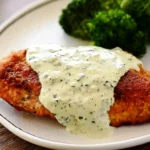
Chicken in Basil Cream Sauce
- Total Time: 30 minutes
- Yield: 4 servings 1x
- Diet: General
Description
Chicken in Basil Cream Sauce is an elegant meal perfect for a special night in. This 5-star meal is ready to eat in just 30 minutes!
Ingredients
- 2 large boneless, skinless chicken breasts
- 1/2 cup milk
- 3/4 cup dried Italian breadcrumbs
- 3 Tablespoons butter
- 2 cloves garlic, minced
- 1/2 cup chicken broth
- 1 cup heavy whipping cream
- 1/2 cup freshly grated Parmesan cheese
- 1/4 cup chopped fresh basil
- 1/4 teaspoon black pepper
Instructions
- Preheat: Preheat oven to 275 degrees F.
- Prepare Pan: Grease a 9×13-inch baking dish with nonstick spray.
- Prepare Chicken: Slice each chicken breast in half horizontally; creating two even pieces (cutlets).
- Tenderize: Pound each cutlet into an even 1/2-inch thickness.
- Bread: Dip each chicken cutlet thoroughly in milk, then coat with breadcrumbs.
- Sear: In a large skillet, melt butter over medium heat. Place the coated chicken cutlets in the skillet and cook until golden-brown on each side.
- Bake: Place the partially cooked chicken side by side in the prepared baking dish. Bake in the oven to finish cooking while you prepare the basil cream sauce.
- Sauté Garlic: Add the garlic to the skillet and cook for 30 seconds over medium heat.
- Deglaze: Add the chicken broth. Bring to a boil over medium-high heat and stir to loosen browned bits from the pan.
- Simmer Cream: Stir in cream. Bring to a slight boil and stir for several seconds then reduce heat to low.
- Finish Sauce: Add the Parmesan cheese, chopped basil, and pepper.
- Thicken: Continue to stir sauce until it thickens; about 5 minutes or so.
- Serve: Serve chicken with basil cream sauce on top.
Notes
Ensure the internal temperature of chicken breasts reaches 165 degrees F before serving.
- Prep Time: 15 minutes
- Cook Time: 15 minutes
- Category: Main Course
- Method: Pan-seared and Baked
- Cuisine: Italian-inspired
Nutrition
- Serving Size: 1 serving
- Calories: 680 kcal
- Sugar: 7 g
- Sodium: 920 mg
- Fat: 45 g
- Saturated Fat: 26 g
- Unsaturated Fat: 16 g
- Trans Fat: 1 g
- Carbohydrates: 19 g
- Fiber: 2 g
- Protein: 44 g
- Cholesterol: 185 mg