
These buttery peach dumplings are a fast and delicious way to use fresh summer fruit. They feature a crisp crescent roll exterior and a sweet, syrupy glaze for a comforting dessert.

List of ingredients
- 1 large peach – peeled and sliced into eight wedges.
- 1 (8-ounce) 8-count tube of refrigerated crescent rolls – separated into triangles.
- 1/2 cup butter, melted – used for the topping glaze.
- 3/4 cup sugar – provides sweetness and caramelization.
- 1/2 teaspoon cinnamon – adds warmth and spice.
- 1 1/2 tablespoons all-purpose flour – helps thicken the syrup.
- 3/4 cup lemon-lime soda – creates the bubbling sauce base.
step-by-step instructions
- Prepare the oven and dish: Preheat your oven to 350°F. Lightly coat an 8×8-inch glass baking dish with nonstick cooking spray to prevent sticking.
- Prepare the fruit: Peel the large peach and slice it into eight equal wedges, making sure to remove the pit.
- Assemble the dumplings: Unroll the refrigerated crescent rolls. Place one peach slice on the wide end of each crescent triangle and roll it tightly toward the point. Arrange the rolled dumplings in the prepared baking dish.
- Make the topping: In a small mixing bowl, stir together the melted butter, sugar, cinnamon, and flour until the mixture is well combined. Spoon this mixture evenly over the top of each rolled dumpling.
- Add the liquid and bake: Carefully pour the lemon-lime soda into the gaps between the dumplings. Avoid pouring the soda directly onto the tops to keep the crusts crisp. Bake for 35 to 40 minutes until the dough is golden brown.
- Serve: Allow them to cool slightly before serving warm with a side of vanilla ice cream or fresh whipped cream.
Optimizing Fruit Preparation
Selecting the Best Peach Variety
Yellow peaches typically offer a more traditional tart and sweet balance, while white peaches are generally sweeter and less acidic. Choose a fruit that feels slightly soft when gently squeezed but is not mushy. Avoid peaches with bruised skin or soft spots, as they may break down too quickly during baking.
Effective Peeling Techniques
To remove peach skins easily, use the blanching method. Score a small X into the bottom of the peach and drop it into boiling water for 30 to 60 seconds. Immediately plunge the fruit into an ice bath, which allows the skin to slip off effortlessly without removing the flesh.
Achieving Uniform Slices
Consistency in slice size ensures that all dumplings cook at the same rate. Cut the peach into quarters first, then slice each quarter in half to create eight equal wedges. This prevents some dumplings from being overcooked while others remain firm.
Dough Handling and Assembly
Working with Refrigerated Dough
Keep the crescent roll tube chilled until the moment you are ready to assemble. Cold dough is easier to handle and maintains its structure better during the rolling process. Avoid over-handling the dough, as too much warmth from your hands can make it sticky and difficult to shape.
Proper Rolling Technique
Place the peach wedge at the widest part of the crescent triangle. Roll firmly but gently to ensure the fruit is fully enclosed. This prevents the peach from sliding out during the baking process and ensures a consistent crust-to-fruit ratio in every bite.
Spacing in the Baking Dish
Ensure there is a small amount of space between each dumpling in the 8×8-inch dish. This allows the heat to circulate around each roll and prevents them from merging into one large mass. Proper spacing also creates the necessary channels for the lemon-lime soda to settle.
Understanding the Sauce Chemistry
The Role of Lemon-Lime Soda
The carbonation in the soda helps aerate the surrounding syrup, while the acidity helps tenderize the fruit. As the water evaporates during baking, the sugars in the soda concentrate, creating a thin, caramel-like glaze. This liquid also steams the bottom of the dough while the top browns.
Function of the Flour Thickener
Adding flour to the melted butter and sugar mixture is essential for texture. The flour acts as a thickening agent that binds with the butter and the soda as they bubble. This prevents the sauce from remaining too watery and creates a rich, clingy glaze on the crust.
Managing the Sugar Balance
The combination of granulated sugar in the topping and the sugars in the soda creates a high-glaze environment. If you prefer a less sweet dessert, you can slightly reduce the granulated sugar by a tablespoon. However, maintaining a certain sugar level is necessary for the desired golden-brown caramelization.
Baking for the Perfect Texture
Oven Rack Positioning
Place the baking dish on the center rack of the oven for the most even heat distribution. If the tops are browning too quickly but the bottoms seem undercooked, move the dish to a lower rack. Conversely, if the bottoms are dark but the tops are pale, move it higher for the final five minutes.
Identifying the Doneness Point
The dumplings are finished when the pastry has transitioned from a pale white to a deep golden brown. The sauce in the bottom of the pan should be bubbling vigorously and appearing slightly thickened. Avoid over-baking, as the sugars in the sauce can burn quickly once they reach a certain concentration.
Preventing Over-Browning
If the crescent rolls are reaching a dark brown color before the 35-minute mark, loosely cover the dish with aluminum foil. This protects the peaks of the dough from burning while allowing the internal fruit to finish cooking. Always monitor the oven closely during the last ten minutes of baking.
Alternative Ingredients and Swaps
Substituting the Soda
If lemon-lime soda is unavailable, ginger ale is an excellent substitute that adds a subtle spicy note. Cream soda can be used for a more vanilla-forward flavor profile. For a less sugary option, a mixture of sparkling water and a teaspoon of lemon juice can work, though you may need to increase the sugar in the topping.
Using Different Fruit Options
While peaches are the star, this method works well with nectarines or firm pears. If using canned peaches, drain them thoroughly in a colander and pat them dry with paper towels. Frozen peaches should be fully thawed and patted dry to prevent excess moisture from thinning the sauce.
Exploring Different Crusts
Puff pastry can be used instead of crescent rolls for a flakier, more buttery texture. Since puff pastry is denser, you may need to increase the baking time by 5 to 10 minutes. Ensure you cut the pastry into similar triangular shapes to maintain the rolling method.
Serving and Presentation Ideas
The Ideal Temperature Contrast
These dumplings are best served hot, immediately after they leave the oven. Pairing a hot dumpling with cold vanilla ice cream creates a temperature contrast that enhances the eating experience. The ice cream melts into the syrup, creating an additional creamy sauce.
Whipped Cream Variations
Freshly whipped cream adds a light, airy contrast to the dense, buttery pastry. You can fold in a pinch of cinnamon or a drop of vanilla extract to the cream to complement the peach flavor. Use a stabilizer like powdered sugar to keep the cream peaks firm on the plate.
Adding a Garnish
A sprinkle of fresh cinnamon or a dusting of powdered sugar adds a professional touch to the presentation. Adding a small mint leaf to the plate provides a pop of color and a fresh aroma. For an extra crunch, toasted almond slivers can be sprinkled over the finished dish.
Storage and Reheating Guidelines
Refrigeration and Shelf Life
Store leftover dumplings in an airtight container in the refrigerator for up to three days. The pastry will soften over time as it absorbs the remaining syrup. Ensure the dumplings are completely cooled before sealing the container to prevent condensation from making the crust soggy.
Restoring Crispness
To reheat, avoid the microwave, as it will make the dough rubbery. Instead, place the dumplings in a toaster oven or a conventional oven at 325°F for about 10 minutes. This helps the butter in the crust re-melt and restores some of the original crispness.
Make-Ahead Planning
You can assemble the dumplings and add the butter topping several hours before you plan to bake them. Keep them refrigerated in the baking dish, covered with plastic wrap. Add the lemon-lime soda just before placing the dish in the oven to ensure the carbonation is active during the initial bake.
Troubleshooting Common Issues
Why are my dumplings soggy?
Sogginess usually occurs if the soda is poured directly over the tops of the dumplings or if the pan is overcrowded. Ensure the liquid is poured only into the spaces between the rolls. Additionally, make sure your peaches are patted dry if using frozen or canned varieties.
Why didn’t the sauce thicken?
If the sauce is too thin, it is likely due to a lack of flour in the topping or under-baking. The flour needs sufficient heat and time to bind with the fats and liquids. Ensure you are using a full 1 1/2 tablespoons of flour and baking until the sauce is bubbling.
What if the dough didn’t brown?
Lack of browning can be caused by an oven that isn’t fully preheated or a lack of sugar in the topping. Ensure your oven is at a true 350°F. Using a meat thermometer to check the oven temperature can help if you suspect your appliance is running cool.
Frequently Asked Questions
Can I use a different size baking dish?
An 8×8-inch or 9×9-inch glass dish is ideal. If you use a larger dish, the dumplings will be further apart, and the soda may evaporate faster, potentially leading to a thicker sauce. If using a metal pan, reduce the baking time by 2 to 5 minutes as metal conducts heat more quickly than glass.
Can I freeze these dumplings?
You can freeze the assembled dumplings before adding the soda. Wrap them individually in plastic wrap and store them in a freezer bag. When ready to eat, thaw them in the refrigerator overnight before adding the soda and baking as directed.
Are there dairy-free alternatives?
For a dairy-free version, replace the melted butter with a plant-based butter substitute. Ensure the substitute has a similar fat content to maintain the richness of the glaze. The crescent rolls would also need to be swapped for a vegan-friendly dough alternative.
Do I need to peel the peaches?
Peeling is recommended for a smoother texture, but the skins are edible. If you leave the skins on, the dumplings will have a more rustic look and slightly more chew. Be aware that some peach skins can be slightly fuzzy, which some find unpleasant in a baked dessert.
Print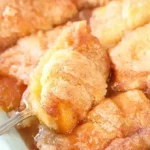
Easy Golden Peach Dumplings
- Total Time: 45 minutes
- Yield: 8 dumplings 1x
- Diet: Vegetarian
Description
Sweet, juicy peaches wrapped in crescent rolls and baked to golden perfection—these easy Peach Dumplings are the ultimate comfort dessert!
Ingredients
- 1 large peach
- 1 (8-ounce) 8-count tube of refrigerated crescent rolls
- 1/2 cup butter, melted
- 3/4 cup sugar
- 1/2 teaspoon cinnamon
- 1 1/2 tablespoons all-purpose flour
- 3/4 cup lemon-lime soda
Instructions
- Step 1: Preheat the oven to 350°F and lightly spray an 8×8-inch glass baking dish with nonstick cooking spray. Peel and slice the peach into eight wedges, discarding the pit.
- Step 2: Open the can of crescent rolls and unroll them. Place one peach slice on the wide end of one crescent and roll it up in the crescent. Place them in the baking dish. Continue with other rolls.
- Step 3: In a small bowl combine the melted butter, sugar, cinnamon, and flour and mix until just combined. Spoon the mixture over each crescent.
- Step 4: Pour the lemon-lime soda into the empty spaces between the dumplings being cautious not to pour it on top of the dumplings. Bake for 35 to 40 minutes or until crescents are golden brown. Serve warm with fresh whipped cream or vanilla ice cream.
Notes
Serve warm with fresh whipped cream or vanilla ice cream.
- Prep Time: 10 minutes
- Cook Time: 35 minutes
- Category: Dessert
- Method: Baking
- Cuisine: American
Nutrition
- Serving Size: 1 dumpling
- Calories: 296 kcal
- Sugar: 26 g
- Sodium: 316 mg
- Fat: 18 g
- Saturated Fat: 10 g
- Unsaturated Fat: 6 g
- Trans Fat: 0.5 g
- Carbohydrates: 36 g
- Fiber: 0.4 g
- Protein: 1 g
- Cholesterol: 31 mg